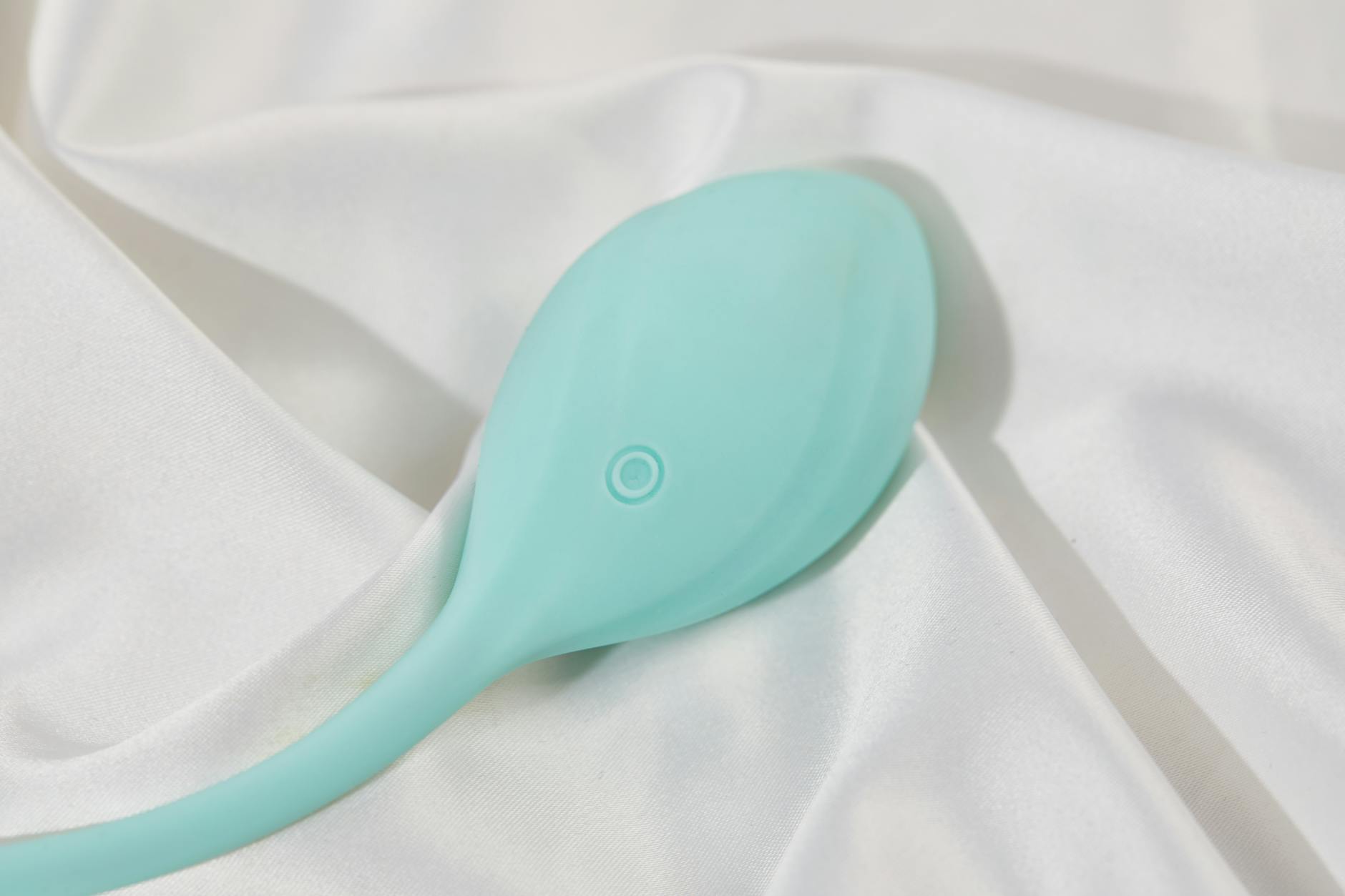
Here's what nobody tells you about lemon vibrators
There's no one-size-fits-all pressure or pattern. Your nervous system, tissue sensitivity, and what's happening in your body at any given moment all shift how stimulation feels. This is why your partner swears by Pattern 3 and you want to crawl out of your skin on anything above Pattern 1. Same device. Totally different experience.
I've worked with hundreds of people navigating this exact frustration. Most assume they're broken or too sensitive. They're not. They've just never experimented with intention.
Why sensitivity varies across bodies
First, the science part because it actually matters. Your clitoris has roughly 8,000 nerve endings concentrated in a space the size of a pea. But the density, depth, and how those nerves connect to your spinal cord and brain differs from person to person. Some people have more surface-level nerve clusters. Others have them running deeper. This changes everything about what feels good.
Then there's hormonal variance. If you're cycling, your tissues swell and soften at different points in your cycle. Right before ovulation, clitoral tissue is more engorged and responsive. During your period, it might feel tender. After menopause, thinner tissue can feel either more sensitive or require gentler contact. There's no predicting without paying attention.
Age also plays a role. I work with people from their early 20s into their 60s and 70s, and there's a real difference. Younger bodies often prefer higher intensity and faster rhythms. As we age, we frequently find that sustained, moderate pressure with slower patterns becomes more satisfying. This isn't universal, but it's common enough to mention.
Body type matters less than people think, but stress, anxiety, and whether you're actually aroused before you start matter enormously. A lemon vibrator can't create arousal from nothing. It amplifies what's already there.
The pressure hierarchy
Let's talk patterns and settings on a lemon clitoral vibrator. Most devices, including Hello Nancy's Lem vibrator, have multiple intensity levels and pattern options. Here's how to think about them strategically.
Levels 1-2: The gentle start. If you're new to vibrators, have sensitive tissue, are recovering from surgery, or are exploring for the first time, begin here. These settings provide steady stimulation without overwhelming your nervous system. They're also excellent for extended sessions where you're looking for slower build rather than quick intensity. Think of this as the warm-up.
Levels 3-4: The sweet spot for most. This is where the majority of people find their rhythm. Intensity is present but not aggressive. You can feel the vibration clearly and can focus on other sensations at the same time. If you're using a lemon sucker vibrator with a partner, this range usually works well for both people.
Levels 5 and above: The power zone. These are for people who know they want direct, intense sensation. Higher intensity works beautifully for shorter sessions, for people with lower nerve sensitivity, or when you're already very aroused and want quick results. Some people live here. Others find it uncomfortable. Both are fine.
Pattern preference by sensitivity type
Now the tricky part. Patterns matter as much as intensity, and they're more personal than settings.
If you're highly sensitive. Start with steady, consistent patterns rather than pulsing ones. Your nervous system processes continuous stimulation more easily than on-off rhythm. Many people with high sensitivity find pulsing patterns feel chaotic or even painful. A steady hum at lower intensity, building slowly, often works better. Give yourself permission to stay in Level 1-2 for as long as feels good.
If you prefer rhythm and build. You might love pulsing or escalating patterns. These create anticipation and a sense of progression. They work particularly well if you like to feel your arousal building in waves rather than in one steady climb. Experiment with different pulse speeds. Some people want quick, tight pulses. Others prefer slower, longer waves.
If you like steady pressure without variation. A flat, consistent pattern at a stable level is your friend. No surprises, no changes, just reliable sensation you can sync with your own rhythm. This is often the preference for people focusing on sustained pleasure rather than climax, or people who find pattern changes distracting.
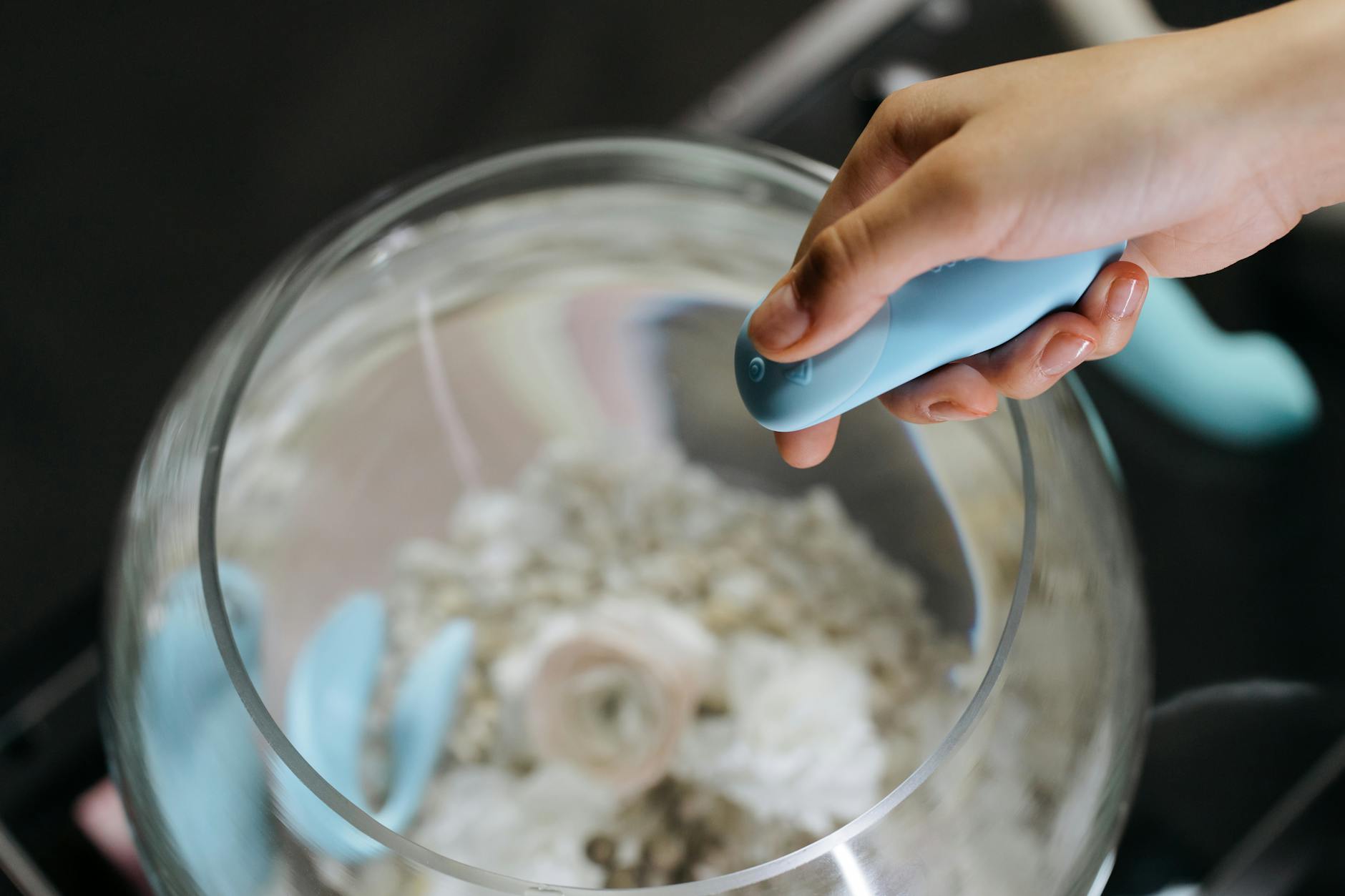
Photo by cottonbro studio on Pexels
How positioning and angle change everything
Here's something people rarely discuss: the angle and contact area matter as much as the vibration itself. A lemon vibrator's design matters specifically because of how it delivers stimulation.
Direct clitoral contact works for some people, especially those who prefer high intensity. Others find direct contact overwhelming and prefer stimulation to the sides or the hood above the clitoris. You can shift this just by adjusting angle. Aim slightly off-center or angle upward if direct contact feels too intense.
Some people prefer broader contact over the whole vulva rather than pinpoint stimulation. If that's you, using the vibrator with the flat side against your body rather than the tip makes a huge difference. Experiment with this. It's not a failure if direct contact doesn't work. It's just information.
Pressure also shifts sensation. Light contact means the vibration travels through tissue differently than firm pressure. Again, experiment. Some people want to press firmly. Others prefer barely touching. Neither is wrong.
The role of arousal and time
I need to say this clearly: using a lemon vibrator without actual arousal is like trying to have good sex when you're not interested. You can do it, but you're fighting your nervous system.
The best settings are the ones you use when you're already turned on. When you're not aroused, everything feels less good. Your tissues are less responsive. Your threshold for overstimulation is lower. Your patience is shorter.
This is why foreplay matters. This is why taking time to let your mind settle and your body warm up matters. This is why using a lemon vibrator solo, where you can control the pace entirely, often produces better results than partner play when you're learning.
If you're pairing a lemon sexual toy with a partner, make sure you have actual arousal happening first. Manual touch, kissing, attention to other parts of your body. Then introduce the vibrator. The build matters more than the device.
Trial and error with intention
Honestly, there's no shortcut here. You need to experiment. But do it strategically.
Set aside dedicated time. Not rushed. Not stressed. Pick a time when you have privacy and at least 30 minutes. Start with Level 1 and a steady pattern. Spend a few minutes there. Notice what happens. Move to Level 2. Notice again. Work your way up slowly. Pay attention to when something feels genuinely good versus when it feels like too much.
Try different patterns at the same level. Some might surprise you. Try different angles and contact areas. Write down what works. I'm serious. Your brain will forget by next time. Your notes won't.
If you're with a partner, have them watch or participate while you explore. They can see what makes your body respond. That's valuable information for partnered pleasure too.
When to seek support
If you're experiencing pain rather than intensity, that's different. Pain means stop. Pain during or after use can signal tissue damage or an underlying issue worth discussing with a gynaecologist. This isn't a willpower problem.
If nothing feels good after genuine, patient exploration, talking with a sex therapist or someone trained in sexual health can help. Sometimes low sensation is connected to medication, stress, relationship dynamics, or hormonal shifts worth addressing with proper support.
Most of the time, though, the issue is just that you haven't found your settings yet. And that takes time.
Frequently asked questions
How do I know if I'm too sensitive for a lemon vibrator?
You're probably not. Most people described as "too sensitive" just haven't found the right intensity level or pattern yet. Start at Level 1 with a steady pattern, take your time, and build slowly. If even Level 1 feels overwhelming, that's information worth exploring with a healthcare provider. But sensitivity isn't a deal-breaker for vibrator use. It's just a data point about your preferences.
Can my sensitivity change over time?
Yes, absolutely. Hormones shift. Life stress changes. Age brings variation. Your preferences might evolve too. What felt perfect five years ago might not work now. This isn't regression. It's just your body being human. Keep checking in with what actually feels good instead of assuming you know.
Is it normal for one side of my body to feel more sensitive than the other?
Completely normal. Many people have asymmetrical sensation. One side might prefer firmer pressure, different patterns, or different angles. Honor that. Your body isn't broken. It's just complex and honest about what it likes.
Should I use a lemon sucker vibrator differently if I'm using it with a partner?
Yes and no. Your body's preferences don't change, but the context does. When your partner is involved, communication matters more. Tell them what settings feel good. Show them the angle that works. If they're using the device, give feedback in real time. What works solo might need adjustment in partner play because of pressure, angle, and your own ability to focus. Start at lower levels together and work up.
My partner and I have totally different sensitivity levels. How do we use a lemon vibrator together?
Start at the lower partner's preferred intensity. They can always build up. The more sensitive partner in pain is a bigger problem than the less sensitive partner wanting more. Once the more sensitive partner is enjoying themselves, you can gradually explore higher levels together. Or use the device solo first to find settings that work, then introduce it to partner play at a level you both find pleasurable.
Is there a "right" pressure or pattern, or is it all personal?
It's personal. Period. There's no objectively correct setting. The right setting is the one that makes your body feel good without pain or overwhelming discomfort. That's it.
The bottom line
Your body knows what it wants. It might just take some patient exploration to hear it clearly. Start low, go slow, pay attention, and give yourself permission to be different from everyone else. That's not a problem. That's just you learning yourself.
If you're ready to explore with a device, Hello Nancy's lemon clitoral vibrator is built with this kind of nuance in mind. But the real tool here is your own attention and patience with the process. That's what creates genuine pleasure.