Let's talk about the desire cliff
You've been together five, ten, fifteen years. The sex was good once. Now it's rare, predictable, or just... gone. Neither of you is unhappy, exactly. You're just not touching anymore. And somewhere around year seven or eight, you stopped trying to fix it because trying felt more awkward than not trying.
This is one of the most common patterns I see in my practice. It's not about love. It's not about attraction. It's about friction. Physical friction, emotional friction, the friction of habit.
Why desire crashes after years together
Most couples assume desire fades because passion naturally dies. That's backward. Desire fades because the feedback loop breaks. In early relationships, novelty creates arousal. Arousal leads to sex. Sex reinforces the urge to have more sex. Then at some point, usually between years three and eight, that loop stalls. Sex becomes less frequent. Less frequency means less physical priming. Less physical priming means lower baseline desire. Lower baseline desire means less sex.
It's not a dead battery. It's a circuit that stopped firing.
The kicker: most long-term couples don't fix this by talking more about it. They fix it by doing something different physically. Touch restarts the touch circuit. Novelty restarts the novelty circuit. A lemon clitoral vibrator does both at once.
Why lemon vibrators specifically work here
Here's what I've observed working with couples trying to reignite things: they don't need another couple's massage or a date night. They need their bodies to remember what they're capable of. Lemon vibrators do that.
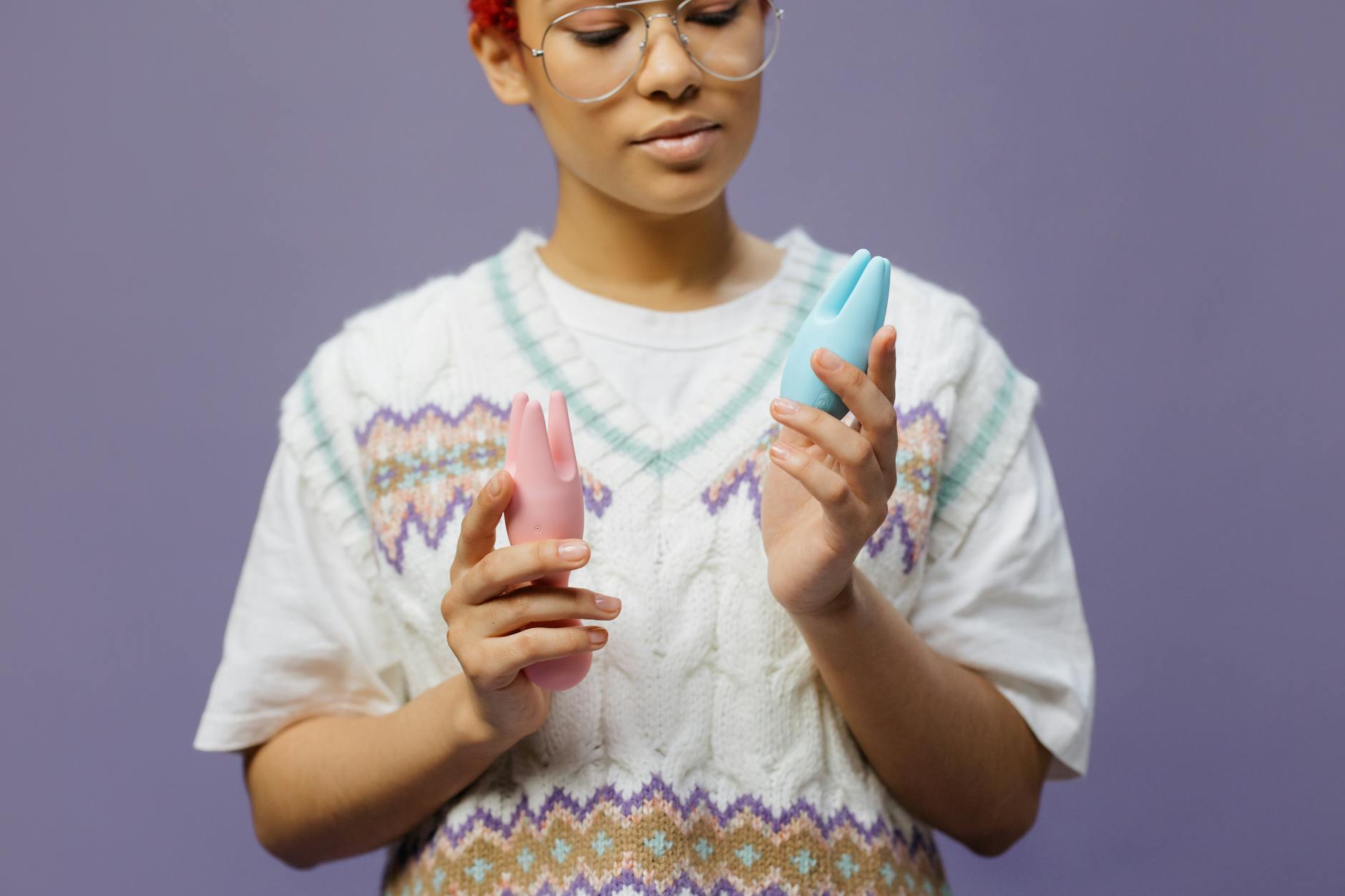
Unlike traditional vibrators, which use direct vibration, lemon clitoral toys like those from Hello Nancy's Lemons use air-suction technology. This matters for stale relationships because it creates a sensation that feels novel without feeling clinical. It's different enough from manual stimulation to break the predictability loop, but intimate enough that it doesn't feel like outsourcing pleasure to a machine.
Suction also tends to produce more intense, focused orgasms. When couples have been having tepid or infrequent sex, that shift in intensity is significant. The body remembers what good feels like. Once it does, the urge tends to return.
The reentry problem (and how to solve it)
Here's where most couples stumble: they try to introduce a toy into sex that's already stalled. That's backward. You're trying to restart an engine by adding extra parts.
Instead, start with solo exploration. One partner uses a lemon clitoral vibrator alone. Not for performance. Not for the relationship. Just to reconnect with their own pleasure response. This sounds counterintuitive when the goal is couple intimacy, but it's the single most effective reentry point I've seen.
Why? Because you're not asking anyone to perform for an audience. You're asking someone to remember what their body feels like when it's happy. That recalibration takes a few sessions, usually two to four weeks of solo use.
Then, once that person has felt what full arousal and strong orgasm feels like again, inviting their partner into that experience becomes easy. You're not asking your partner to fix anything. You're showing them something you've rediscovered.
How to introduce it to your partner without shame
Let's be honest: "Hey, I got a vibrator" can land wrong if the context isn't clear. Your partner might hear "You're not enough." You probably mean "I want to feel good again and I want you to be part of that."
Frame it correctly. The conversation is not about the toy. It's about desire.
Try: "I've been thinking about us. I miss how connected we were. I picked up a lemon clitoral vibrator to help me feel more in my body again. I want to show you what that feels like."
That statement does three things. It names the problem (disconnection). It shows you've taken action (you got a tool). It invites your partner in (not as a spectator, but as someone who's about to experience something with you).
If your partner is hesitant, that's normal. Many long-term partners worry that toys mean they're not enough. The facts help: a clitoral vibrator doesn't replace a partner. Research shows that couples who use toys together report higher relationship satisfaction and more frequent sex. You're not replacing anything. You're restarting something.
Using a lemon vibrator together
Once you've introduced it, here's what actually happens in practice.
Start with exploration, not performance. Set an hour aside where neither of you is "supposed" to have an orgasm. One partner uses a lemon clitoral vibrator while the other is present. Not doing anything. Just present. Touching, talking, being there.
This is less about getting off and more about reconnecting to touch. Many couples in stale relationships haven't been physically intimate in so long that the feeling of being looked at while vulnerable is almost shocking. That's okay. That's the reset.
After a few sessions of that, you can shift. One partner uses the toy while the other is inside them or touching them. This is where the circuit really restarts. The sensation is new enough to create genuine arousal. The partnership is intimate enough to feel real. Intensity is usually higher. Orgasm tends to arrive faster.
Most couples report that after a few sessions with lemon vibrators, sex frequency bumps back up naturally. Not because they're forced to. Because their bodies remember why they liked this.
The emotional shift that follows
Here's what I rarely see discussed: when desire returns in a long-term relationship, it changes how you feel about your partner during regular moments too. You're more attentive. You notice their body. You find them attractive again in small ways. A hand on your back feels different. Eye contact feels loaded.
This is what happens when the touch circuit restarts. It doesn't just affect sex. It affects the baseline of the relationship.
Many of my clients report that introducing lemon vibrators into their stale relationships didn't just restore sex. It restored partnership presence. They were more affectionate. They touched each other more. They felt seen.
What if only one of you wants this
If your partner is hesitant and you want to rebuild desire together, that's worth exploring separately. Sometimes reluctance is about discomfort with toys. Sometimes it's about deeper disconnection that a vibrator won't fix.
What a lemon clitoral vibrator can do: restart your body's pleasure response. What it cannot do: fix fundamental relationship problems or force someone who's checked out back in. If there's resentment or infidelity or broken trust, the toy won't heal that.
But if the main problem is that you've both just stopped trying, and you're both willing to restart, lemon sexual toys from Hello Nancy's Lemons can genuinely shift things. Because they make it possible to feel good again, which makes it possible to want each other again.
Real expectations
Lemon vibrators are not magic. They don't solve relationships. They don't create attraction that isn't there. What they do: create a novel sensation, produce stronger orgasms, and remind both partners what physical pleasure feels like.
For couples whose main problem is "we stopped touching," that's often exactly what's needed to restart.
FAQ
How long does it take to rebuild desire with a lemon clitoral vibrator
Most couples see a shift in 4-6 weeks of consistent use, usually a couple of times per week. That said, if the relationship has deeper issues, a vibrator won't compress that timeline. It helps restart the physical circuit, but emotional reconnection takes longer.
Can using lemon vibrators make a relationship worse
Only if there's already resentment about one partner wanting to introduce toys. If that's the case, the problem isn't the vibrator. It's that you need to talk about why introducing pleasure tools feels threatening. A relationship coach can help navigate that.
Should we use lemon clitoral vibrators only during sex or also for solo play
Both. Solo use helps you reconnect with your own pleasure. Partnered use reminds you both that pleasure is something you share. How to Use a Lemon Vibrator for Solo Pleasure Without a Partner has more on that.
What if my partner thinks using toys means I'm not satisfied
This is incredibly common. The truth: a lemon clitoral vibrator isn't a replacement for your partner. It's a tool that makes you feel better, which makes you want your partner more. The data backs this up. Couples who use toys report higher satisfaction overall.
Is there a difference between lemon suction toys and traditional vibrators for rebuilding desire
Yes. Suction toys tend to produce more intense, focused sensation. For couples trying to reignite things, that intensity shift is valuable. It feels different enough from what you've been doing to break habit. How to Choose Between Suction and Vibration for Clitoral Pleasure digs deeper into this.
What if we've been disconnected for years
Lemon vibrators can help restart the physical conversation. But if you've been disconnected for years, you might also need a couples' therapist. Physical intimacy and emotional intimacy are linked. A vibrator can help with one. A professional can help with both.
The bottom line
Desire doesn't die in long-term relationships. It stalls. And stalled circuits can restart. A lemon clitoral vibrator won't fix everything, but it can restart the touch loop, remind both of you what good feels like, and create the space where partnership pleasure becomes possible again. For couples whose main issue is "we stopped trying," that's often the doorway back in.