
When your body stops responding the way it used to
Honestly, one of the least talked about shifts in pleasure is this: your body can suddenly feel like it belongs to someone else. Not in a metaphorical way. In a tactile, frustrating, confusing way. You touch the same spot that always worked. Nothing. You reach for the vibrator that delivered countless orgasms. Muted response. Or worse, a response that feels uncomfortable, almost too intense, in places where intensity used to be welcome.
This happens more often than anyone admits. And it's not a personal failure. Your nervous system is responding to new information.
What actually changes when sensation shifts
There's a reason your body might feel different to touch, and it's not one single cause. Stress dampens arousal signals in the brain. Medications alter blood flow and nerve sensitivity. Hormonal fluctuations change how your clitoral tissue responds to stimulation. Aging shifts the density of nerve endings. Some of these changes are temporary. Some stick around. All of them are completely normal.
The key insight: your body hasn't broken. The feedback loop has shifted.
This is where lemon vibrators, and specifically suction-based clitoral vibrators, create a different pathway entirely. When direct vibration stops landing the way it once did, suction engages the clitoris through a completely different mechanism. Instead of rapid vibration against tissue, you get a gentle rhythmic pulsing and release that stimulates nerves without requiring the same intensity of direct contact.
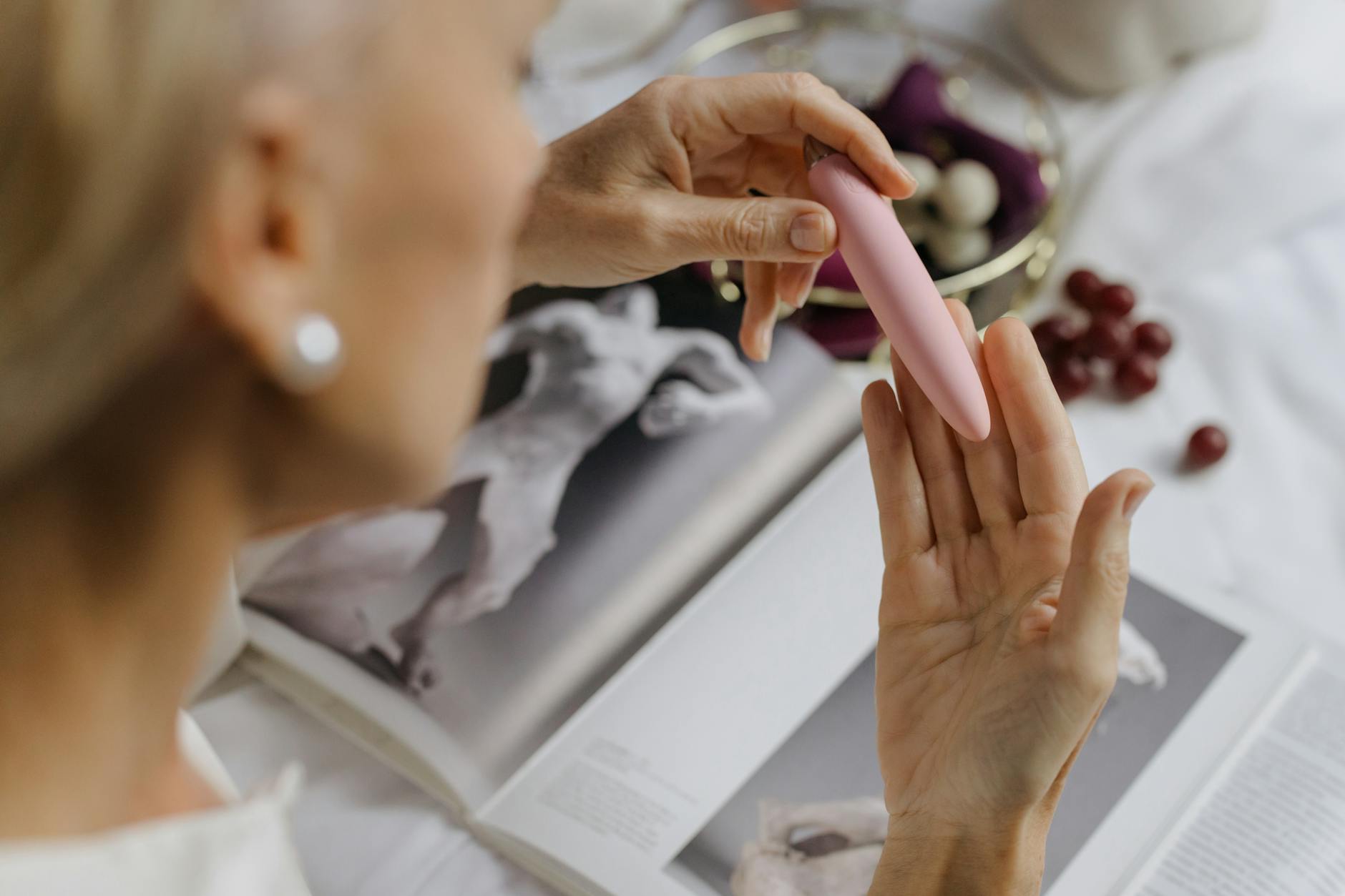
Photo by cottonbro studio on Pexels
Why suction works when vibration plateaus
Think of vibration as a single language your body used to speak fluently. Over time, that language becomes less responsive. Your nervous system has heard it so many times it stops paying attention.
Suction is a different conversation. It creates a gentle seal around the clitoris and stimulates through pressure and release rather than back-and-forth movement. This engages different nerve pathways. For people whose clitoral sensitivity has shifted, or who've been using the same style of vibrator for years, this distinction is huge.
The Lem, Hello Nancy's Lemons' flagship lemon clitoral vibrator, uses air-pulse technology specifically designed to create this suction effect at varying intensities. You can start at level one, which feels almost meditative, and gradually work up. Many people report that the experience feels fresher, more novel, and honestly often more intense than they expected, even when traditional vibrators have stopped delivering.
The sensation recovery timeline
Here's something I see constantly in my practice: people assume that once sensation dulls, it's permanent. It usually isn't. But recovery requires a specific approach.
First, take a break from whatever device you've been using regularly. Two to four weeks is ideal. This isn't punishment. It's giving your nervous system a chance to reset its baseline. Your clitoris has roughly 8,000 nerve endings. Bombarding them with the same stimulus over time creates adaptation. Stopping creates an opportunity for sensitivity to return.
During this break, focus on sensation in other areas. Your breasts, your inner thighs, your neck, your ears. The clitoris isn't the only source of pleasure, and broadening your map of sensation helps reactivate pathways that might have gone dormant.
When you reintroduce a tool, that's where something like a lemon clitoral vibrator becomes useful. It's new enough to feel genuinely different, which combats the adaptation problem. The suction mechanism means you can explore lower intensities that still feel impactful. Many people find that after a break, even starting at level two on the Lem creates noticeable sensation.
The role of lubrication and preparation
When your body's responsiveness has shifted, the groundwork matters more than ever. This isn't about anything being wrong with you. It's about creating optimal conditions for sensation to return.
Water-based lubricant becomes essential. Not optional. Not "nice to have". The suction mechanism works better with a light coating of lube because it helps create and maintain the seal while protecting sensitive tissue. This is where a lot of people get confused. They think lube suggests their body is "broken". Actually, lube is how you optimize the experience when sensation has changed.
Warm-up time also matters differently now. When your nervous system has been through changes, arousal doesn't spike as fast. Budget 20 to 30 minutes before you introduce any toy. This isn't wasted time. This is your body remembering how to respond. Touch yourself slowly. Use your hands. Let your nervous system register pleasure in stages.
Then, when you introduce the lemon vibrator, start at the lowest setting. Let the suction build sensation gradually. Many people are shocked by how intense even level one becomes after proper warm-up and lubrication.

Photo by SHVETS production on Pexels
When sensation shifts with a partner
This is where relationship dynamics matter more than the toy itself. If you're partnered and your body's responsiveness has changed, your partner might interpret this as a rejection of them. It almost never is. But that story gets written fast.
Having a direct conversation before you introduce a new approach is crucial. "My body is responding differently to touch, and I want to explore something that might help" is wildly different from "I bought a vibrator because you're not doing it right." One opens dialogue. The other closes it.
For partnered people, a lemon clitoral vibrator can become a collaborative tool. Your partner can hold it. They can adjust the intensity while you guide them. This rebuilds the feedback loop between you. You're not replacing them. You're giving them information about what your body needs right now.
Alternatively, and this is equally valid, you might want to explore solo play first. Give your body permission to rediscover sensation without any pressure to perform or respond a certain way. Once you understand what the Lem does for you, then you can decide if it fits into partnered play.
When to check in with a healthcare provider
There's a boundary here I want to name directly. If your sensation has shifted dramatically and quickly, especially if it's accompanied by pain or numbness that extends beyond the clitoral area, that's worth discussing with a doctor. Sometimes sensation changes signal medication shifts, hormonal changes, or underlying health stuff that deserves professional input.
But most of the time, sensation shifts gradually over months or years and respond well to the approaches above. A good lemon clitoral vibrator isn't a substitute for medical care when something is actually wrong. It's a tool that helps when your body's simply responding differently and needs a new language to reconnect with pleasure.
The patience piece
One thing I always tell people rebuilding sensation: this isn't a race toward the biggest orgasm. That's actually the opposite of what helps. Sensation recovery works better when you slow down and get curious. What does level one on the Lem actually feel like? Not whether it works, but what the specific sensation is. Can you name it? Is it sharp or rounded? Concentrated or diffuse?
This reintroduction of curiosity, without the goal of orgasm attached, is often what allows sensation to return most fully. The clitoris responds to novelty and attention. You're offering both.
People also ask
Why does sensation change during different life stages?
Hormonal fluctuations, medication changes, stress levels, and natural aging all alter how your nervous system processes sensation. Your clitoral tissue changes density and blood flow over time. This isn't decline. It's change. And change requires adjustment, not shame.
Can a lemon clitoral vibrator permanently restore sensation?
A lemon vibrator can't permanently fix anything because sensation isn't broken. What it does is create a new pathway for pleasure using suction instead of traditional vibration. This often helps people rediscover responsiveness they thought was gone. Whether that change sticks depends on ongoing use, stress levels, and other factors in your life.
Is it normal to need stronger stimulation over time?
Completely normal. It's called habituation. Your nervous system adapts to repeated stimuli. This is why taking breaks from toys helps, and why switching to a different mechanism, like suction, can feel revolutionary. Your body isn't broken. It's just adapted to what it's been receiving.
What's the difference between a lemon suction vibrator and traditional vibrators?
Traditional vibrators use rapid back-and-forth movement. Suction vibrators, like the Lem, use air-pulse technology to create rhythmic pressure and release. This engages different nerve pathways and often feels completely fresh if you've been using vibration exclusively. Many people find suction more nuanced and easier to control at lower intensities.
How long does it take sensation to shift back after using the same toy for years?
Two to four weeks of intentional break, combined with broadening sensation exploration in other areas, often jumpstarts noticeable change. But full sensation recovery can take longer, sometimes several months. The timeline depends on why sensation shifted, stress levels, hormonal status, and other factors unique to your body.
Should I use a lemon clitoral vibrator solo or with a partner?
Both are valid. Solo exploration first often helps you understand your body's new needs without performance pressure. Then you can decide if you want to incorporate a tool into partnered play. There's no right sequence. What matters is consent, communication, and curiosity.
The bottom line
When your body stops responding the way it used to, that's not a signal that pleasure is ending. It's a signal that your body is asking for something different. A lemon clitoral vibrator, particularly one using suction technology, often provides exactly that difference. It's a fresh conversation with sensation when the old language has stopped landing.
Start slow. Use lubrication. Give yourself time. And remember that your body changing doesn't mean your capacity for pleasure is dimming. It means you get to rediscover it on new terms.
If you're exploring this shift, consider reading about how lemon vibrators work when numbness medication dulls sensation, or how to rebuild intimacy when desire drops in long-term relationships. You're not alone in this, and there are real tools and approaches designed for exactly this moment.
Ready to explore what lemon clitoral vibrators can offer? Get in touch if you have questions about what might work best for your body.