Let's start with where you actually are right now
You've spent weeks (or months) learning to relax muscles that have been clenched for years. Your pelvic floor physical therapist has walked you through breathing, gentle stretches, and probably some version of the phrase "let it soften." It worked. And now you're wondering: what comes next? Can I use a vibrator again? Will it undo everything I just fixed? How do I know if I'm ready?
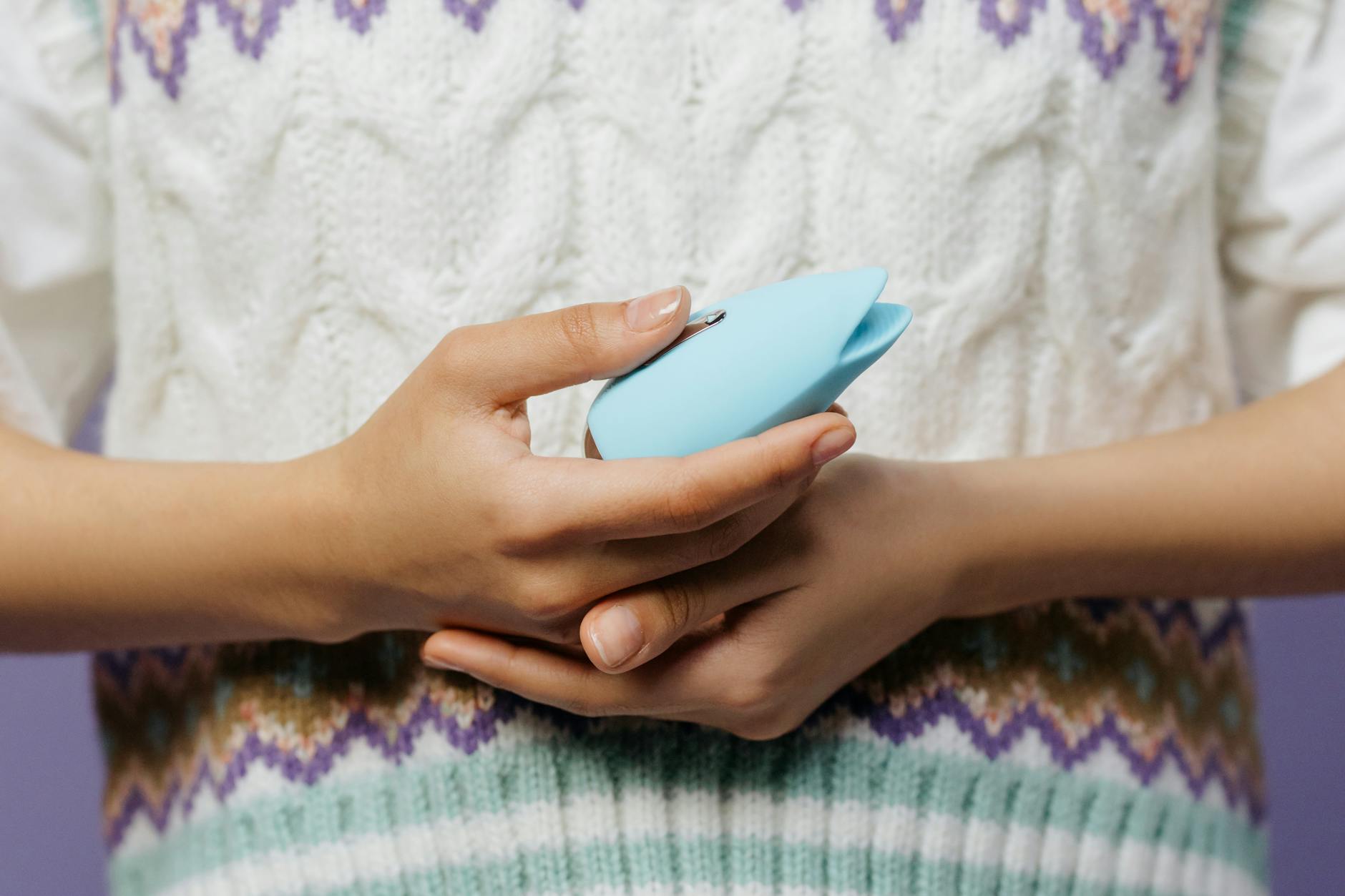
Those questions are exactly right. Pelvic floor relaxation therapy isn't about saying no to pleasure forever. It's about teaching your body a new default. Reintroducing a lemon vibrator or any clitoral vibrator is absolutely possible, but the timing and approach matter more than they did before.
Why your pelvic floor held on so tight in the first place
Pelvic floor tension doesn't happen randomly. It's often a physical response to stress, trauma, pain during sex, or years of unconsciously gripping during arousal. The muscles got strong at holding. Now they're learning to release.
Here's the thing: pleasure used to trigger that grip. You'd start to get aroused and your pelvic floor would tighten automatically, sometimes painfully. A vibrator would intensify that reflex. So right now, your nervous system is still learning that arousal doesn't have to mean clenching. Introducing stimulation too early, or at the wrong intensity, can trick your body back into the old pattern.
That doesn't mean you can't use a lemon vibrator. It means you need to be intentional about how and when.
The reset timeline: when to introduce vibration
There's no universal answer, but most pelvic floor specialists recommend waiting until you can:
- Do the relaxation exercises without thinking about them (muscle memory, not conscious effort)
- Feel arousal without automatic tension (talk to your therapist about this)
- Have comfortable, penetrative sensation without pain (if that applies to you)
For most people, that's 4-8 weeks into therapy. Some need longer. Check with your therapist before you start. They can feel the difference between "relaxed" and "still gripping" in ways you might not sense internally yet.
If you're early in therapy and itching to use a vibrator, that's okay. But starting with a lemon sucker or clitoral vibrator in a very low-key way (low intensity, short sessions) is safer than diving back in.
How to actually introduce a lemon vibrator safely
Assume your nervous system is re-learning arousal. You're rebuilding the connection between stimulus and response, but without the fear or pain that used to live there. Go slower than feels necessary.
Step one: turn it on without touching yourself. Hold your lemon vibrator in your hand, feel the vibration, listen to it. This is about your brain and nervous system getting familiar with the sensation again without the pressure to respond. Ten seconds is enough. That sounds silly, but it works.
Step two: apply it to a neutral area first. Try your inner arm, your collarbone, your neck. Notice how your body responds. Are you tensing up? Is the vibration pleasant? Does it feel like too much? This is data.
Step three: move down very slowly. Outer labia first, never directly on the clitoris yet. Stay here for a full week if you need to. You're teaching your pelvic floor that touch equals relaxation, not gripping. Use a lower setting. Settings 1-2 on the lem vibrator are your friends right now.
Step four: introduce the clitoris in micro-sessions. Two to three minutes maximum, once every few days at first. This is the opposite of what feels intuitive, but it's exactly what prevents backsliding. Short, frequent sessions allow your nervous system to integrate the sensation without flipping back into old patterns.
What you'll probably notice (and what's normal)
When you first use a lemon clitoral vibrator again, you might feel:
Numbness or deadness. Your tissues might not wake up immediately. This is extremely normal after months of not stimulating the area. Keep going slowly. Sensation returns, usually within 2-3 weeks of gentle, consistent sessions.
An urge to clench. You'll feel your pelvic floor want to tighten. Don't panic. Pause, breathe into it, and let it go. This is your nervous system reverting to muscle memory. It doesn't mean you've failed. It means you're catching it and choosing differently. That's the whole point.
Deeper, less intense pleasure. Post-relaxation therapy orgasms sometimes feel different. Less explosive, more internal, more subtle. Many people report that this shift opens up new kinds of satisfaction they'd never experienced before. Your body isn't broken. It's just different.
Anxiety before you even start. Fear of "breaking" what you fixed is real. Remind yourself that one session with a vibrator won't undo months of therapy. But mindful, gradual reintroduction prevents unnecessary setbacks.
The role of lube and comfort
After pelvic floor relaxation therapy, your tissue might be slightly more sensitive or reactive than before. Lubrication becomes even more important than usual.
Use a water-based lube that's designed for sensitive skin. Apply it generously. It's not cheating. It's actually part of the retraining process, because smooth sensation teaches your pelvic floor to stay relaxed. Friction and tension go hand in hand. Remove the friction, and relaxation becomes easier.
If you're using a lemon vibrator or any silicone toy, water-based lube is essential anyway. It won't damage the toy and it makes the experience measurably better.
When to loop your therapist back in
You don't need to report every session, but if you notice:
- Return of pain during or after vibration
- Increased tension or spasming during use
- A strong urge to clench that doesn't ease even with breathing
- Any sensation that feels like the old patterns returning
Stop and text your therapist. This isn't failure. This is information. Sometimes you need to dial back intensity or frequency. Sometimes you need a different approach altogether. Your therapist has tools to help you troubleshoot.
The psychology piece: rebuilding trust with your body
Here's what often gets skipped in the clinical conversation: your mind is part of this. If pelvic floor tension came from trauma, stress, or pain during sex, your nervous system learned that arousal equals danger. A vibrator, even a lemon clitoral vibrator that feels amazing and looks beautiful, can trigger that old fear.
Go slow partly because your tissues need time. But also because your brain needs permission to believe that pleasure is safe again. Short sessions, gentle introduction, and celebrating small wins ("I used my vibrator for two minutes and didn't tense up") are all part of rewiring that safety signal.
If you notice anxiety spiking when you think about using a vibrator, that's worth naming with a therapist who understands trauma. Pelvic floor physical therapy is brilliant. Sometimes it needs a companion conversation about nervous system safety.
Partnered pleasure after pelvic floor therapy
If you're rebuilding this with a partner, the same principles apply but with an extra layer. Your partner needs to understand that this isn't about them. Slower reintroduction, lower intensity, and shorter sessions aren't rejections. They're the path back to deeper, safer pleasure together.
Using a lemon vibrator together can actually help. It removes the pressure of performance. Nobody's waiting for a specific response. You're just both exploring what feels good in this new chapter. That takes pressure off both of you.
When your partner understands the timeline and the why behind it, they usually become your biggest ally. They're not just watching you rediscover pleasure. They're part of rebuilding trust in your body with them.
When you're finally ready to turn up the intensity
Once you've done three to four weeks of gentle reintroduction without tension creeping back in, you can gradually increase:
- Session length (up to 10-15 minutes)
- Frequency (every day or most days, if that feels good)
- Intensity (higher settings on your lemon vibrator or lem vibrator)
But do it one variable at a time. Don't jump from setting 1 to setting 5 and double your session length in the same week. Your nervous system learns incrementally.
Most people find that their favorite way to use a clitoral vibrator after this process is slower and more intentional than before. You're not chasing a quick orgasm. You're exploring sensation. That shift, which can feel frustrating at first, often becomes the thing people love most about their pleasure practice post-therapy.
FAQ: Your questions answered
Can I use a vibrator if I still feel some pelvic floor tension?
Yes, but carefully. Tension doesn't mean you're failing at therapy or that vibration is off-limits. It means your nervous system is still learning. Start with the gentlest possible approach: lowest setting, shortest session, maximum patience. If tension spikes during or after use, dial it back further. Your therapist can also teach you relaxation cues to use right before and during vibration.
How long does it take to feel "normal" pleasure again?
Two to four months is typical, though it varies wildly. Some people regain full sensation and intensity within weeks. Others take six months or longer. It depends on how long the tension lasted, what caused it, and how your individual nervous system processes change. Consistency matters more than speed. Regular, gentle sessions beat sporadic, intense ones every time.
Will using a vibrator make the tension come back?
No. Thoughtful, gradual reintroduction won't reverse your progress. But jumping straight back to high-intensity vibration before your nervous system is ready can absolutely trigger old patterns. That's not the vibrator's fault. It's about pacing. Start low and go slow, and you're building new associations with pleasure, not recreating old ones.
Is it better to use a lemon vibrator or a different kind of clitoral vibrator after therapy?
Any quality clitoral vibrator works. A lemon vibrator or lem vibrator can be especially good because the suction-based stimulation is often gentler than direct vibration and allows you to control pressure easily. But ultimately, use whatever feels safest to you. The tool matters less than your approach.
What if orgasms feel completely different now?
That's not uncommon. After learning to relax your pelvic floor, the sensation of arousal and climax often shifts. Less intensity, more nuance, different location of sensation. It can feel disappointing at first. But many people, once they adjust, report that this new kind of pleasure is deeper and more satisfying. Give it time before you assume something's wrong.
Can I use a vibrator during partnered sex before I'm fully ready?
Yes, with caution and communication. Starting with external stimulation using a vibrator during partnered sex can actually reduce pressure (nobody's waiting for a specific response from inside). But keep sessions short, use plenty of lube, and pause if you notice tension. Your partner's job is to notice and respect that, not to push through.
You're not starting over. You're starting differently.
Pelvic floor relaxation therapy isn't about losing pleasure. It's about reclaiming it on your own terms, without pain or fear attached. Bringing a vibrator back into the picture is the next natural step, but it requires patience and intention.
Your body just learned something new. Give it space to integrate that learning. Then, slowly and deliberately, add pleasure back in. You're rebuilding trust with your own sensation. That takes time.
If you have questions about your specific situation or timeline, reach out to your pelvic floor therapist. And if you're ready to start exploring again, go gentle. Your nervous system will thank you.
Have questions about which vibrator might work best for you right now, or want to talk through your specific situation? Get in touch.