
Let's start with what most couples get wrong
You introduce a lemon vibrator into foreplay and then freeze. One person holds it. The other person doesn't know whether to keep moving, stay still, or narrate play-by-play. The moment collapses. Then you both pretend it didn't happen and go back to what you know.
Here's the actual truth: using a lemon clitoral vibrator during partnered foreplay isn't complicated. It just requires one thing most couples skip entirely: talking about it before your clothes come off.
Have the conversation before the bedroom
The single biggest mistake is springing a lemon vibrator on your partner mid-foreplay and expecting magic. Magic requires consent, curiosity, and a baseline understanding of what you're both hoping will happen.
Pick a moment outside the bedroom. Not "Hey, we should try something new" vague. Be specific. "I've been thinking about using a lemon sucker during foreplay. I'm interested in how it would feel if you held it while we're kissing. Would that be something you'd want to explore?" This takes the guesswork out and makes it easier for your partner to say yes, no, or "maybe if you show me how first."
If your partner hesitates, that's information. It doesn't mean no forever. It might mean "I'm worried I'll do it wrong" or "I didn't know that was an option for us." Answer those thoughts instead of pushing forward. When both people want to try something, the experience is infinitely better.
Positioning matters more than you'd think
The logistics of adding a lemon vibrator to foreplay depend entirely on how you're touching each other. Here are the positions where it works smoothest.
Face-to-face, you on top. Your partner lies on their back. You're straddling their hips or sitting between their legs. They can hold the lemon vibrator and control the pressure while you control the depth and rhythm with your body. You stay connected, you can kiss, and there's no weird arm wrestling about who's doing what. This is the easiest entry point for first-timers.
Side-by-side, facing. You're both on your sides, bodies close. Your partner can reach the vibrator easily and has a clear view of what's happening. There's less intensity than some positions, but that's actually helpful for learning. You can focus on kissing and touch instead of managing logistics.
Seated or reclined, them between your legs. You're propped up with pillows. They're in front of you, able to use the lem vibrator while entering you or while you're focused on clitoral stimulation. This gives you back control if the sensation becomes too much. You can tap their shoulder, adjust position, or ask them to pause without complicated maneuvering.
Avoid positions where the vibrator handler can't see what they're doing or can't move freely. A lemon vibrator is precise. If they can't position it properly, the sensation shifts from "oh wow" to "ow, that's pinching."
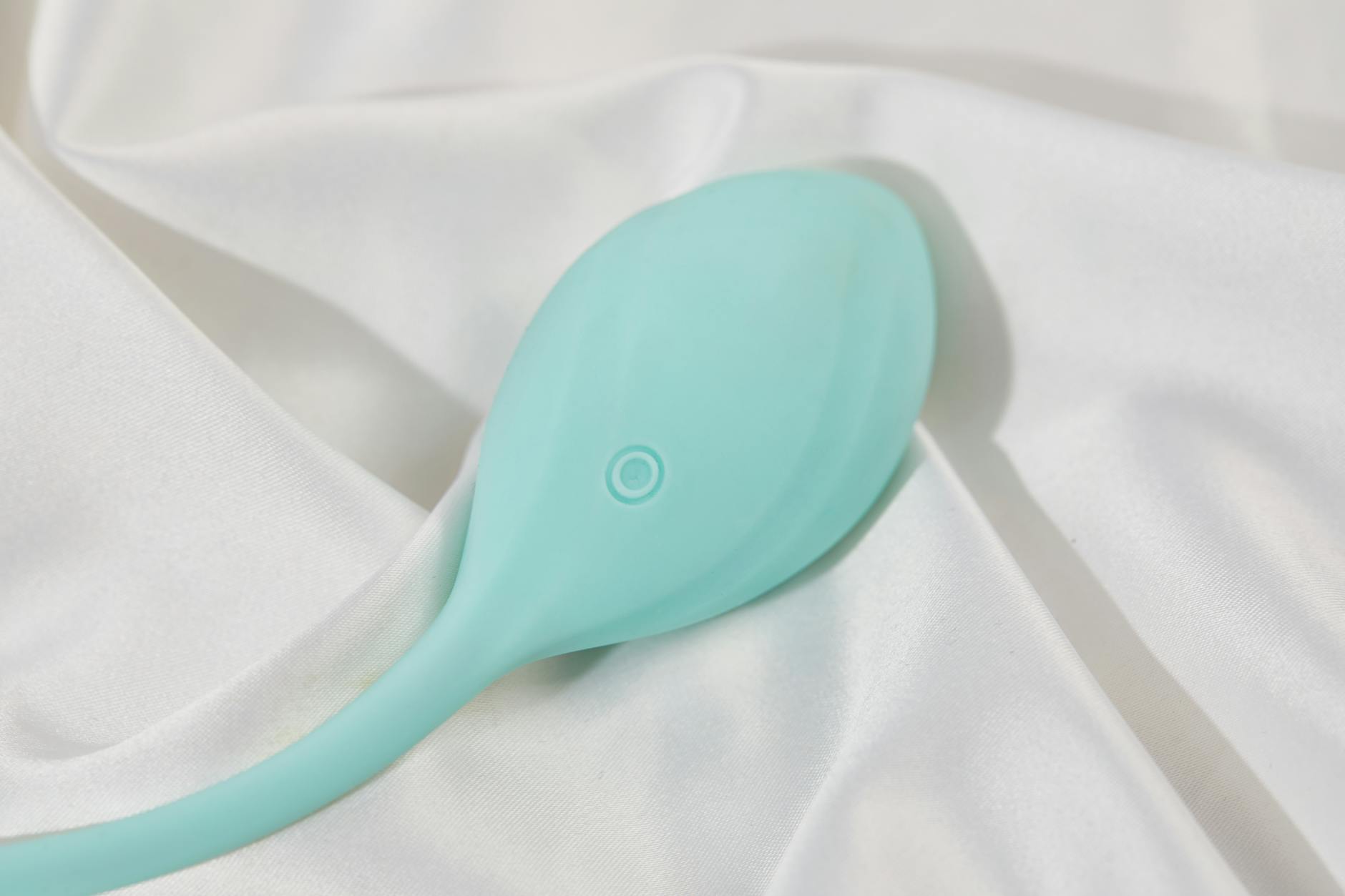
Photo by IFONNX Toys on Pexels
Start slow, build momentum
The vibrator isn't the opening act. It's the second or third act after you've already been kissing and touching for a few minutes. Your body is already warm. Blood is already moving toward the clitoris. You're already in the headspace.
Then your partner introduces the vibrator at low intensity. Pattern 1 or 2 on most devices. They hold it steady at first. No movement. You get to feel the sensation without the variable of them trying to "play" it like an instrument. Let your body respond.
After maybe 30 seconds, they can start exploring. A tiny circles motion. A gentle up-and-down. Nothing dramatic. Your job is to breathe, stay present, and tell them what feels good. Not critiques. Not "try harder." Positive feedback: "That spot right there" or "I like that rhythm" or "A tiny bit slower."
Most couples rush this phase. They go from intro to intense in 45 seconds because they assume that's what should happen. Instead, treat this like the foreplay it is. You have time. The whole point is to build sensation gradually.
The intensity variable and how to manage it
Lemon vibrators work differently than internal vibrators because clitoral tissue is more sensitive and the suction mechanism is gentler but more localized than buzzing. This means intensity escalates differently.
If you're using a lemon clitoral vibrator for the first time together, start on a low setting. Your partner can increase intensity, but they should check in first. "Want me to turn it up?" You nod or say yes. They bump it one level. Wait 15-20 seconds. Escalate again if you want it.
If the intensity ever feels like too much, you have three options: ask them to drop it to a lower setting, ask them to back it off the clitoris slightly (so it's stimulating but with less direct pressure), or ask them to pause for 30 seconds so your nerve endings reset.
The worst thing you can do is stay silent and power through discomfort. Your partner isn't a mind reader. If they're holding the vibrator and you're clenching your jaw and looking away, they might think they're doing something wrong instead of realizing the intensity just needs adjusting.
What to do with your other touch
Here's where most couples miss an opportunity. While one of you is holding the lemon vibrator, the other person has hands free. Use them.
Kissing while your partner is holding a vibrator between your legs changes the entire dynamic. You're not just receiving one type of sensation. You're receiving kissing, possibly some manual stimulation of the breasts or inner thighs, and the vibrator. The combination is significantly more intense than the vibrator alone.
If you're the person holding the vibrator, your hands aren't actually that busy. You're steady, not frantic. This means you can caress their back, run your fingers along their chest, hold them close. The physical connection matters. It's not "I'm operating a device." It's "We're in this together."
Communicate during, not just before
The conversation before foreplay gets the green light. The conversation during foreplay fine-tunes the experience. Small words. Honest feedback.
"I like this." "A little gentler." "Keep doing that." "Let me adjust position." "I want to try this differently." These are not mood killers. These are the actual things that make foreplay work between two people instead of one person performing and one person receiving.
If something isn't working, name it. "This position is making my leg cramp." "I want to feel you closer." "Can we go back to the pattern you were just doing?" Your partner can't respond to what they don't know. Feedback is partnership.
The transition to sex, if that's where you're going
Not every foreplay session ends in penetrative sex. But if it does, the vibrator becomes a decision point, not just something you abandon.
Some people want to keep using the lemon vibrator during sex. This requires positioning that lets your partner reach it while you're moving together. It's doable but requires more coordination.
Other people want to set it aside once penetration begins, so they can focus on the sensations of being inside you and the rhythm you're building together. Both are fine. Decide together before you get there.
If you're going to keep the vibrator involved, communicate about whose pace leads. Usually, it works best if the person holding the vibrator moves at their own rhythm while the person receiving adjusts to that rhythm. Otherwise you get conflicting sensations.
If it doesn't work the first time, that's normal
First attempts at partnered vibrator use are often clumsy. Someone's hand cramps. The positioning is awkward. The vibrator is noisier than expected. One of you gets self-conscious. These aren't failures. They're data.
Talk about it after. "That felt good, but the angle was weird." "I liked it more when you were kissing me at the same time." "I want to try with me on top next time." You're learning how your bodies and your desires work together. It takes a few tries.
If your partner felt anxious about using the vibrator correctly, reassure them. "You're doing exactly what I wanted. I really liked that." If you felt nervous, say so. "I was a little shy at first, but I'm feeling more comfortable now." Vulnerability builds trust, which makes the next time easier.
Why this matters beyond the physical sensation
Using a lemon vibrator with your partner during foreplay isn't actually about the vibrator. It's about choosing to explore pleasure together. It's about deciding that your satisfaction matters enough to talk about and experiment. It's about touch and communication and showing up for each other's bodies with curiosity instead of autopilot.
Most couples fall into patterns and stay there because change feels risky. Introducing a clitoral vibrator breaks that pattern. It says "I want this to feel good for you" and "I want to learn how to touch you in new ways." Those statements matter more than the device itself.
Frequently asked questions
How do I know if my partner will be open to using a vibrator during foreplay?
The only way to know is to ask. But frame it as curiosity, not criticism. "I've been thinking about trying something new together" lands better than "Our foreplay is getting boring." If they say no, ask why. Sometimes it's "not interested right now," which might change later. Sometimes it's "I'm worried I won't do it right," which you can address. Sometimes it's a hard no, and you respect that.
What if I'm nervous about using the vibrator in front of my partner?
Most people are nervous the first time. Nervousness doesn't mean don't. It means go slow, communicate more than usual, and remind yourself that your partner is rooting for this to feel good for you. If you want to start solo to get comfortable with the sensations, do that first. Then introduce it to partnered foreplay once you know what you like.
Should the vibrator be part of foreplay every time we have sex?
No. Think of it like anything else in your toolkit. Massage, oral sex, manual stimulation, vibrators. These all work better when they're intentional choices, not defaults. Some sessions the vibrator is perfect. Some sessions you want to focus on other touch. Variety is what keeps things interesting.
What if the vibrator makes orgasm feel too easy or doesn't feel like "real" sex?
Orgasm is orgasm. There's no hierarchy of "realness." If the sensation is strong and pleasurable, it's real. If you're worried that using a vibrator changes the meaning of sex with your partner, talk about it. Most couples find that the vibrator actually increases intimacy because they're more present and more satisfied.
Can we use a lemon vibrator during sex if I want clitoral stimulation but my partner wants to focus on penetration?
Yes. Your partner can hold the lemon vibrator while inside you. This requires positioning that lets them reach it without losing their balance or connection. Spooning position with you on top works well. So does you on top where you can guide the vibrator placement. It's teamwork, not one person doing all the work.
What's the best way to introduce this if we've never used any toys together?
Start with the conversation outside the bedroom. Keep it simple: "I'm curious about trying a vibrator together. Would you be open to that?" If yes, pick a foreplay session where you're both relaxed and have time. Set up positioning you've discussed. Use low intensity. Check in frequently. Make it about exploration, not performance. You're learning, together.
The bottom line
A lemon vibrator during foreplay with your partner works when you've talked about it beforehand, when positioning lets you both stay connected, when you start slow, and when you communicate during. It's not complicated. It's just a different conversation and a bit more intention than you might be used to. And honestly, that's the part that makes it better.