Let's talk about the mismatch nobody addresses
Here's the thing about different orgasm styles in couples: one of you could close your eyes and finish in under ten minutes. The other could spend thirty minutes getting there, or might not get there at all. For years, people treat this like a problem to solve. It's not. It's just information you weren't using.
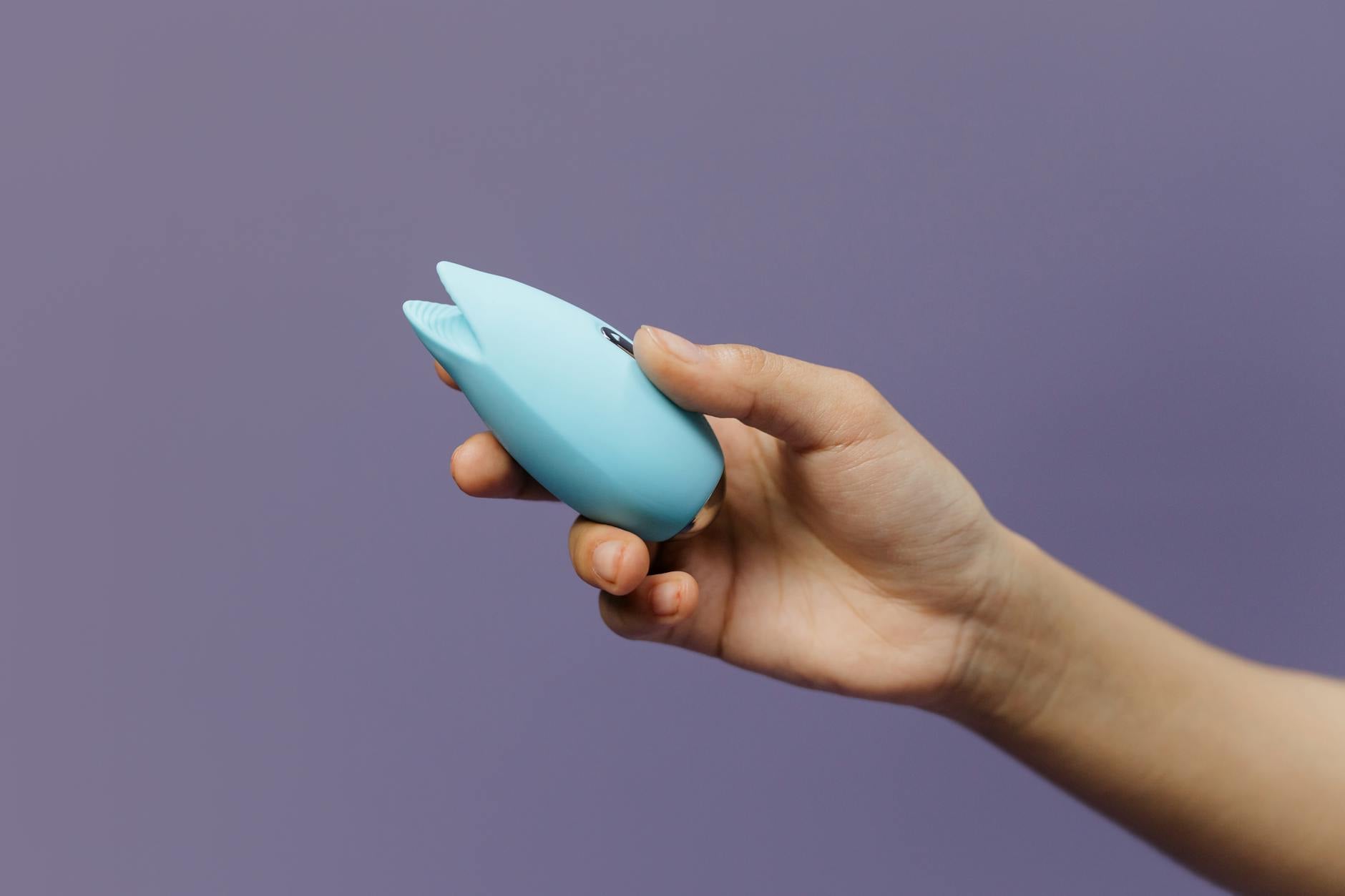
A lemon vibrator changes the equation. But only if you stop trying to synchronize and start using it to let both of you finish on your own timeline.
Why orgasm timing mismatches feel like failure (they aren't)
Evolution didn't care about simultaneous orgasms. One person's nervous system might be wired for quick activation and short recovery time. The other's needs sustained buildup and specific kinds of stimulation. Neither is better. Neither is broken. They're just different.
When you introduce a lemon clitoral vibrator into the mix, the instinct is usually to use it as a shortcut. "If I add the vibrator, maybe they'll finish faster and we can stay together." But that's backwards. The suction technology in devices like the Lem works best when you're not rushing the experience.
What actually works: using the lemon vibrator to let each partner finish independently, without pressure or guilt.
How the Lem's suction pattern helps with orgasm style differences
The lemon sucker uses gentle air-pulse stimulation instead of direct vibration. This matters hugely for timing mismatches because different orgasm patterns often come from different sensory preferences.
Someone who climaxes quickly might prefer direct, consistent pressure. Someone who needs longer might need rhythmic buildup, pattern variation, or lighter touch to avoid overstimulation. The Lem's multiple intensity levels let you adjust on the fly without stopping.
Here's the practical side: start your partner at level 1 or 2, then increase gradually as arousal builds. This works for faster-finishing partners because they can jump straight to higher intensities. For someone who needs more time, the slow escalation prevents the nervous system from plateauing.
A structure that actually lets both of you finish
Try this framework with your lemon vibrator.
Phase One: Solo buildup (5-10 minutes). The faster-finishing partner uses the lemon vibrator alone first while the other partner focuses on their own arousal through whatever works for them. Hands, fingers, penetration, a second toy, whatever. No pressure for anyone to be at the same place.
Phase Two: Combined stimulation (10-15 minutes). Once the faster partner is close, bring in the other person's preferred stimulation. If they're using a lemon vibrator, keep it at a consistent level. If they're not, maintain whatever pattern you've established.
Phase Three: Independent finish (no time limit). The faster partner goes first. That's fine. One of you finishing doesn't mean sex ends. The lemon vibrator stays available. Hands stay involved. The second partner continues without pressure to hurry.
This structure removes the pressure that usually makes different orgasm styles feel like incompatibility.
The pattern variation trick for different sensitivity levels
One partner might respond to steady stimulation while the other needs rhythm and pause. The Lem's seven different patterns let you switch mid-scene without stopping.
If your faster-finishing partner needs constant pressure, stay on pattern 1. If your slower partner needs rhythmic buildup, switch to pattern 4 or 5 once they're in the game. The person using the device can feel when a pattern isn't working and change it in seconds.
This is where most couples miss the opportunity. They pick one pattern at the start and stick with it because stopping to adjust feels awkward. Don't. The adjustment IS the point. You're customizing the experience to two different bodies.
Why talking about orgasm timing actually helps
Before you introduce a lemon vibrator into this dynamic, name the difference. "I notice you usually finish faster than me" is awkward for exactly 30 seconds. After that, it's just information. You can build around it instead of against it.
Then ask what actually helps. Does the faster partner prefer intensity or speed? Does the slower partner need pattern variation or longer warmup? A lemon sucker works best when you both understand what you're working with.
I've worked with countless couples who discovered that their "orgasm mismatch" disappeared once they stopped trying to finish together and started being honest about what they actually needed.
Managing overstimulation when one partner finishes first
Here's a real issue nobody talks about: after orgasm, many people's bodies become too sensitive to touch. If you're using a lemon vibrator and one partner climaxes first, they may need you to stop immediately.
With air-pulse technology like the Lem, you can keep going at lower intensities. Intensity 1 or 2 feels completely different than intensity 6. Once your partner finishes, drop to the lowest setting if they want any continued stimulation. Usually they won't. Which is fine.
Have this conversation before you're mid-scene. Some people want the vibrator off the moment they climax. Others like gentle continued stimulation. Your lemon vibrator stays in control either way.
The mental game when you finish at different times
One of the biggest mental blocks around different orgasm styles is shame. The person who finishes faster feels selfish. The person who takes longer feels broken or like they're holding up the show.
Neither is true. You're just working with different physiology. A lemon clitoral vibrator is a tool, not a solution. The actual solution is removing the performance pressure.
When you stop trying to synchronize, something surprising often happens: the slower partner actually finishes faster because they're not anxious about timing. The faster partner can actually relax because they're not waiting. The vibrator just gives you both the physical freedom to be yourselves.
Solo vs. partnered stimulation with a lemon vibrator
Some couples find that each partner has a different orgasm style when they're using the vibrator alone versus with a partner. That's common and worth exploring.
You might discover that the faster-finishing partner needs partnered attention (hands, kisses, eye contact) to stay aroused, while the slower partner needs solo focus and vibration. Or the opposite. The lemon vibrator adapts to both because it's hands-free enough that your hands can do other things.
Don't assume your roles stay the same. Check in mid-scene. Ask what's working. Adjust.
When to pause and reassess
If you're twenty minutes in and one partner still isn't close while the other has already finished twice, something's off. Not broken, but different than expected.
That's the moment to pause, talk, and shift strategy. Maybe the slower partner needs a break. Maybe they need different stimulation entirely. Maybe they're in their head about finishing. A lemon vibrator can't solve emotional blocks, but honest conversation can.
I see couples try to power through mismatched pleasure like it's a problem to overcome through effort. It's not. It's a puzzle to solve through honesty.
FAQ: Different Orgasm Styles and Lemon Vibrators
How do I use a lemon vibrator if my partner is much faster to orgasm than I am?
Let them finish first. Seriously. Once they've climaxed, you can continue without time pressure. The lemon vibrator stays available at lower intensity levels. This removes the race dynamic that usually makes things worse.
Does using a lemon vibrator make orgasm timing differences worse?
No. It usually helps because you're both getting pleasure on your own terms instead of negotiating a shared timeline. The faster partner gets exactly what they need. The slower partner gets exactly what they need. You're not competing.
My partner takes forever to orgasm with a vibrator. Should I use a different tool?
Maybe, but first check your approach. Are you starting at too high an intensity? Are they anxious about taking too long? Is the pattern actually working for their body? The Lem has seven patterns for a reason. Try them all before switching tools.
Is it normal for one partner to prefer the lemon vibrator alone and the other to need it with partnered touch?
Completely normal. Some bodies respond to solo stimulation plus vibration. Others need the psychological component of a partner's attention alongside the physical sensation. Both are valid. Don't force synchronization.
What if my partner feels insecure that they take longer to orgasm?
This is the conversation that matters more than the vibrator. Let them know that different timing isn't a reflection on them or your attraction. It's just neurology. The lemon vibrator is there to serve both of you, not to fix anything that's broken. Most insecurity vanishes once you stop treating timing like a performance metric.
Can we use the lemon vibrator to actually sync our orgasms?
Sometimes, yes. But trying to force it usually backfires because one partner gets anxious about timing. If it happens naturally, great. If it doesn't, you've got a better option: both finishing satisfied, even if separately.
The bottom line
Different orgasm styles aren't a relationship problem. They're just information. A lemon clitoral vibrator gives you a way to honor both styles without compromise. One of you isn't waiting for the other. Both of you are finishing satisfied. That's not settling. That's actually winning.
If you're struggling with mismatched desire or sensation patterns beyond orgasm timing, talking with a relationship specialist can help you build deeper intimacy. Connection starts with understanding.