Let's be real about what happened
If you've been on SSRIs, you know the deal. They save your life. They also often flatten desire, numb sensation, make orgasm feel like it's happening to someone else in the room. Anhedonia is the clinical term. In your life it's just "I don't care anymore about anything, including this."
Then one day your prescriber adjusts the dose, or you taper off, or you switch medications. And something shifts. Slowly, then suddenly, you feel a flicker of wanting something. Your body remembers it has nerve endings. The problem is reconnecting with sensation when you've spent months or years disconnected from it. That's not something your brain does alone.
Why sensation returns unevenly
SSRIs don't just flatten mood. They change how your nervous system processes sensation, arousal, and the cascade of neurochemicals that build pleasure. When you come off them, that system doesn't flip back on like a light switch. It's more like a dimmer slowly rising, and the brightness isn't even across the board.
Some people report that orgasm returns first, but feels different, shallower, almost mechanical. Others find desire comes back but sensation stays muted. A few experience hypersensitivity in reverse, where anything feels too intense too quickly. Most experience a weird combo of all three at different moments.
Your clitoris hasn't forgotten how to respond. Your brain has just been in sleep mode. A lemon vibrator, or any clitoral vibrator, works well here precisely because it bypasses some of the cognitive noise. You don't have to think your way into pleasure or perform arousal for anyone else. Suction stimulation gives your nervous system clear, consistent sensory data that your brain can actually process.
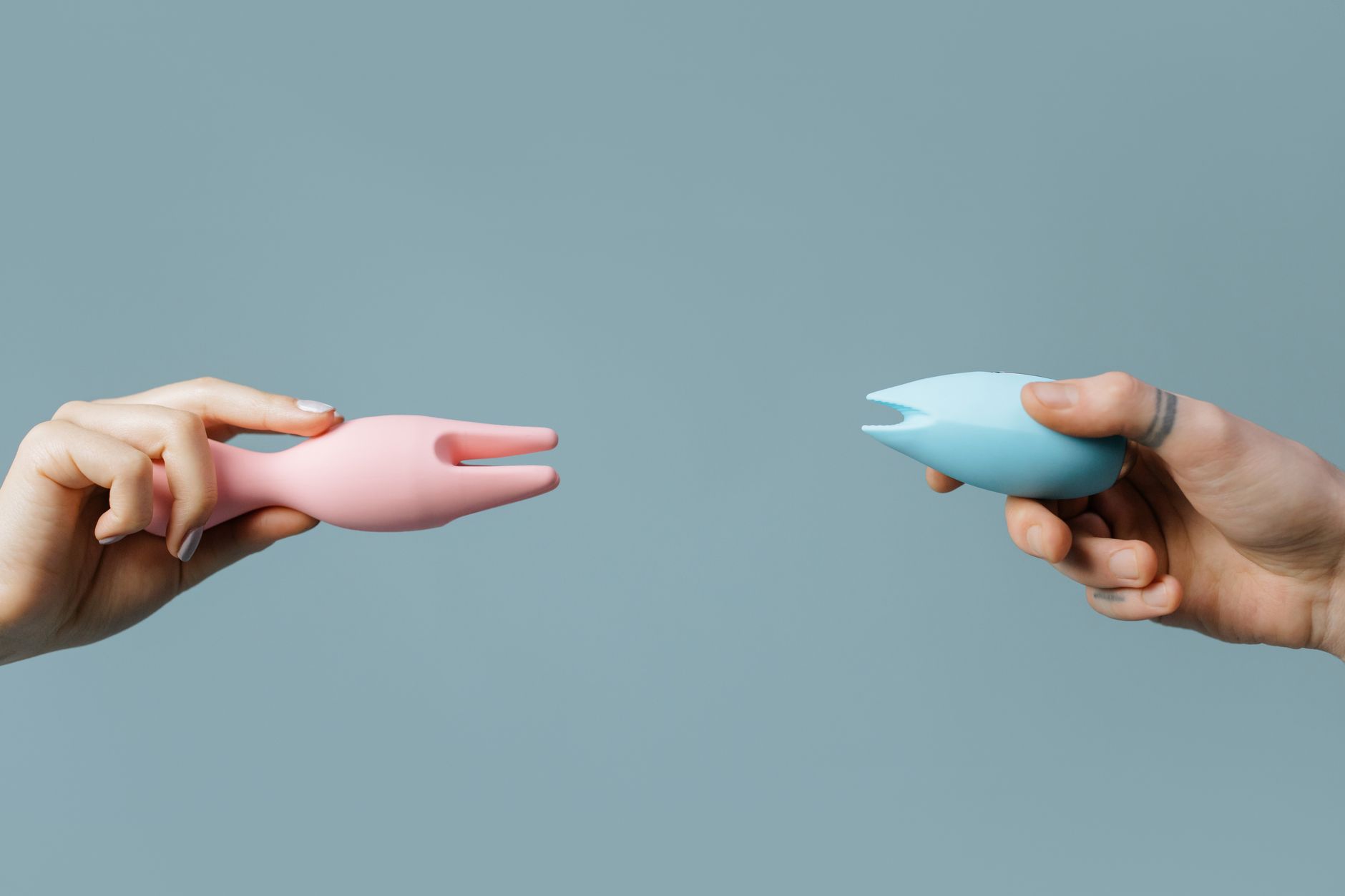
Photo by cottonbro studio on Pexels
The reawakening timeline looks different for everyone
I've worked with clients whose libido bounced back within weeks of a dose adjustment, and others who didn't feel a real shift for six months. The timeline depends on which SSRI you were on, how long you took it, your individual neurobiology, and what else is happening in your life. Stress, relationship conflict, and just plain exhaustion can all delay the reawakening even if the medication is out of your system.
Don't assume you're broken if it takes time. Your dopamine and serotonin pathways need to recalibrate. That's neurochemistry, not weakness or damage. During that waiting period, a lemon vibrator can actually help accelerate the process. Regular low-pressure stimulation teaches your nervous system that sensation is safe and rewarding again. It's like retraining a muscle that's been still for a year.
Start with patterns, not goals
Here's the mistake most people make: they expect pleasure to feel the same as it did before the medication. It won't. Your baseline might be different. Your comfort with intensity might be different. What used to feel amazing might feel too much now, or not enough.
With a lemon vibrator, start on the lowest pattern and spend time there. Not until you feel good. Until you feel something that's true. That might be mild, tingly, strange, or weirdly electric. The point is bearing witness to sensation returning, not forcing an outcome.
Many clitoral vibrators like the Lem use suction rather than direct vibration, which is gentler and often feels less overwhelming when you're relearning your body. The graduated intensity of suction lets you control how much sensation you're processing without the jarring on-off of buzzing patterns.
Rebuild the neural pathways slowly
When you used antidepressants long-term, your brain formed new baseline patterns around pleasure. Coming off them, your dopamine and serotonin systems need to rebuild those reward pathways. That doesn't happen in one session.
Set a weekly rhythm: maybe 20 minutes twice a week with your vibrator, no pressure to come, just presence. Your job is to let sensation register, not to hustle toward an ending. This sounds slow and maybe boring, but it's actually how your nervous system learns that pleasure is available again. Consistency matters more than intensity right now.
If you have a partner, this is worth explaining to them. "I'm rebuilding sensation" is a different conversation than "I don't want sex with you." If they understand what's happening neurologically, they can support the process instead of interpreting the slowness as rejection. For couples, exploring solo pleasure together can actually deepen connection during this phase.
Lubrication and tissue care matter more than you think
SSRIs can affect vaginal lubrication and tissue thickness over long-term use. Even after you stop taking them, it can take weeks for your body to return to baseline lubrication. In the meantime, your tissues might feel drier or more fragile than you remember.
Use a good water-based lubricant every time you use your vibrator, even if you think you don't need it. Your clitoris has thousands of nerve endings packed into a tiny area. Dry friction isn't going to help you rebuild sensation. Slickness + consistent suction creates the ideal environment for your nervous system to register pleasure without irritation or pain.
If you notice any pain or rawness, pause. Your tissues are readjusting. Give them a few days of rest, then try again with more lubricant and lower intensity. This is not a race.
The arousal timeline is probably longer now
One of the things SSRIs often do is accelerate arousal. You might have gotten used to a quick ramp-up. Now that you're off them, your body might need 15, 20, even 30 minutes to warm up. That feels broken, but it's actually normal. It's your body resetting to its own internal pace instead of the medicated version.
During this phase, lemon vibrators are especially useful because suction creates a gentler stimulation that your nervous system can follow gradually. You don't need a jolt of intense vibration to notice something's happening. The subtle rhythm of suction can build arousal over time in a way that feels integrated, not forced.
Budget the time. Remove the goal. Let yourself discover what baseline arousal looks like for you now, post-medication.
Expect sensitivity to feel weird sometimes
A few weeks back into regular sensation practice, some people hit a hypersensitivity phase. Your clitoris suddenly feels almost too reactive. This isn't permanent. It's your nervous system recalibrating sensitivity thresholds. It usually lasts a few weeks and then settles into a new baseline.
If it happens to you, drop the intensity or take a week off and try again. Your nervous system isn't punishing you. It's just learning where the new boundaries are. If hypersensitivity persists beyond a month or comes with pain, talk to your doctor. Sometimes other factors, like thyroid changes or hormonal shifts, overlap with medication changes and need attention.
When to loop in your partner, if you have one
If you're partnered, consider having a separate conversation about pleasure returning, separate from sex with your partner. Because rebuilding sensation solo is neurologically different from partnered sex. One requires no performance. The other does.
You might feel ready to include a partner before your nervous system actually is. Or you might feel ready for partnered sex but want solo practice time first. Both are valid. How to use a lemon vibrator with a partner after a long break covers that transition in detail.
The short version: your partner doesn't need to feel replaced by your vibrator. This is you rebuilding your own capacity for pleasure. They get to benefit from that later.
When pleasure still doesn't return
If you've been off medication for several months and sensation is still completely absent, or if anxiety around pleasure is mounting, talk to your prescriber or a sex therapist. Sometimes pleasure flatness persists after medication stops, and sometimes it's the undiagnosed anxiety underneath the original depression doing the heavy lifting.
Your body isn't broken. But the puzzle might have more pieces than just the medication's chemistry. A professional can help you untangle them.
FAQ
How long does libido usually take to return after stopping SSRIs?
It varies widely. Some people notice a shift within two weeks of a dose adjustment. Others don't feel a real change for three to six months. It depends on which SSRI, your dosage, how long you were on it, and your individual brain chemistry. If you're not seeing any shift after six months, check in with your doctor. Sometimes a medication swap or additional support helps.
Can I use a lemon vibrator while still on SSRIs if they're killing my libido?
Absolutely. A clitoral vibrator can help you maintain some connection to sensation and pleasure even if the medication is dampening arousal. Some people find that consistent, gentle stimulation actually helps counteract the flattening effect. You're not trying to force an orgasm. You're maintaining a thread of connection to your own body.
Why does suction feel different than regular vibration when I'm rebuilding sensation?
Suction stimulates the clitoris through gentler, rolling pressure rather than direct buzzing vibration. It tends to feel less overwhelming to a nervous system that's been numbed or is recalibrating. Lemon vibrators and similar suction toys create a rhythm that many people find easier to follow as sensation returns. You're less likely to feel overstimulated or irritated.
My orgasm came back but it feels different. Is that permanent?
Not necessarily. Your orgasm might feel different for months as your nervous system recalibrates. Smaller, less intense, harder to reach, or sometimes surprisingly different in quality. Give yourself at least two to three months of consistent practice before deciding this is your new permanent baseline. Many people report that orgasm deepens and shifts again as they get further out from the medication.
Should I tell my partner I'm using a vibrator to rebuild sensation after coming off antidepressants?
That depends on your relationship and communication style. If you're generally transparent about sex and health, yes. It reframes the vibrator from being about them to being about your own recovery. If your relationship has other trust issues, that conversation might need more setup. The goal is helping them understand this is about you reconnecting with yourself, not replacing them.
Can antidepressants cause permanent changes to pleasure even after stopping them?
In rare cases, yes. Post-SSRI Sexual Dysfunction (PSSD) is a recognized but uncommon condition where sexual side effects persist after the medication stops. If you've been off SSRIs for six months and sensation hasn't returned at all, or if you experience new pain or numbness, talk to a doctor who's familiar with PSSD. Most people recover full sensation within weeks to a few months, but persistent cases need professional attention.
Your pleasure isn't gone. It's just been asleep. A lemon vibrator, patience, and consistent low-pressure practice can help you wake it up again. Give yourself time. Your body remembers how to feel good. It just needs to remember at its own pace.