Let's name what's actually happening
Your partner used to touch you first. Now you're the one reaching over. And that shift, small as it might sound, carries a lot of weight. It's not just about missing being desired. It's about feeling chosen, and that matters.
Here's the thing about reduced initiation: it doesn't always mean reduced desire. Sometimes it means fatigue, depression, stress, or simply falling into a rhythm where one person becomes the pursuer and the other the pursued. That pattern is brutal because it feeds itself. The less they initiate, the more rejected you feel. The more rejected you feel, the harder it gets to ask. And round and round.
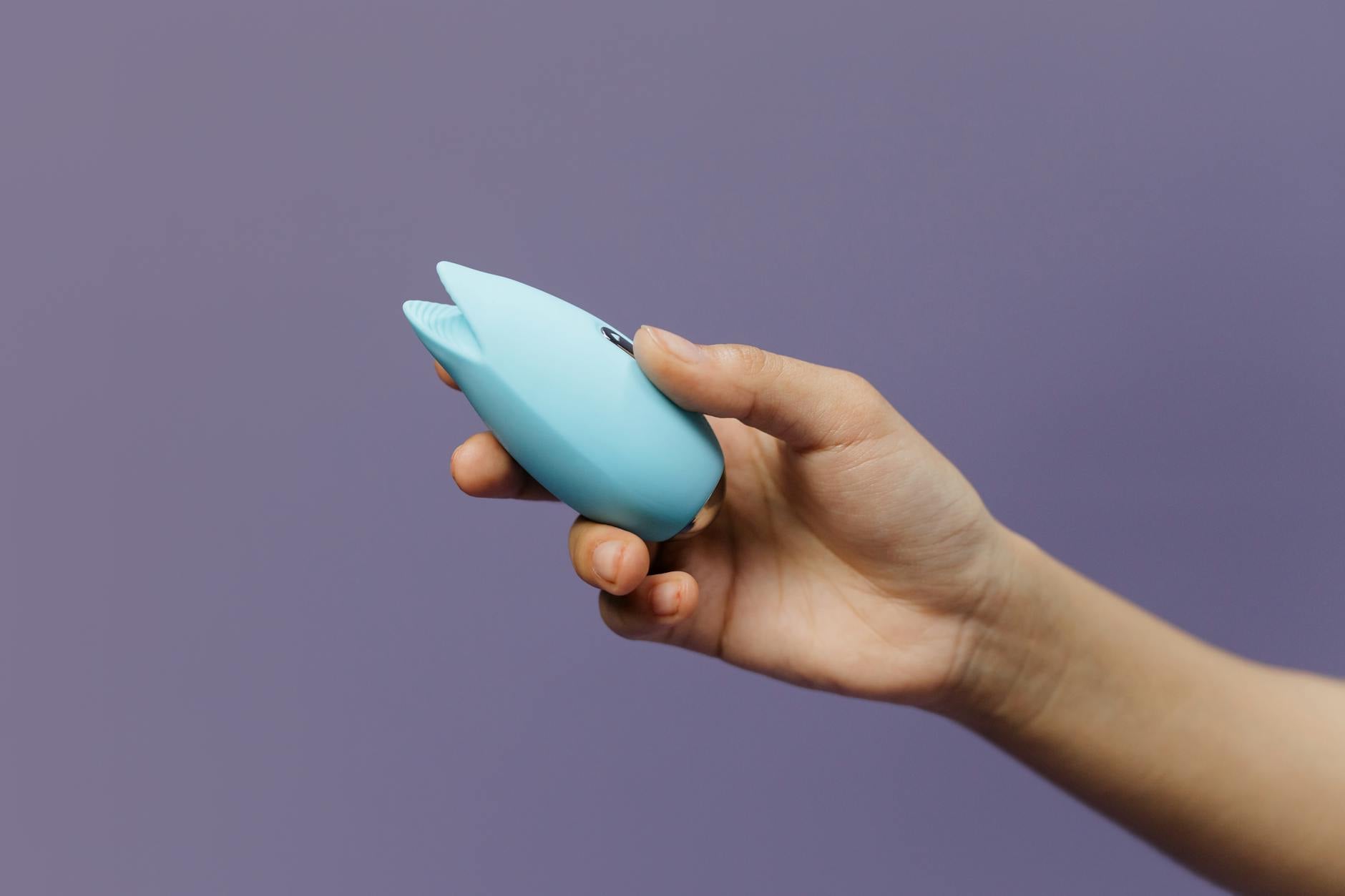
A lemon clitoral vibrator doesn't fix the underlying issue, but it absolutely changes how you approach it.
Why initiation gaps happen (and they're not about you)
When desire to initiate drops, the culprit is rarely "they don't find you attractive anymore." It's usually one of five things:
Work stress and decision fatigue flatten the ability to want. Your partner gets home from leading meetings and has nothing left for spontaneity. Parenthood, caregiving, or financial pressure does the same thing. Depression whispers that nothing matters, including sex. Some medications kill initiation harder than others. Testosterone and dopamine both fuel the drive to start things. And finally, settling into a pursuer-pursued dynamic can make the less-pursuing partner feel like they've lost permission to desire.
None of these are about how you look or feel to them.
The exact dynamic that needs to shift
When one person always initiates, sex becomes something that happens to the less-pursuing partner rather than something they create. Over time, they stop practicing the muscle of desire. They stop noticing their own arousal because they're waiting to respond to yours. They lose the agency that makes initiation feel safe.
This is where a lemon vibrator becomes strategically important. Not as a replacement for them, but as proof that you can have pleasure on your own terms, which paradoxically often makes them want to participate more.
Using a lem vibrator to reclaim your own desire
Start solo. Seriously. The goal is not to make them jealous or prove a point. The goal is to reconnect with your own arousal independent of their initiation. Spend 10 minutes three or four times a week with your lemon clitoral vibrator. Use it without pressure to orgasm quickly. Explore what actually feels good at slow patterns, medium patterns, fast patterns. Notice how your body responds.
This is the part that shifts things. When you're regularly in your own pleasure, something in your nervous system settles. You stop radiating need. You start radiating something closer to ease. Partners feel that, even if they don't consciously understand it.
Bringing the vibrator into partnered sex (without it feeling like criticism)
The script matters here. Don't say "You never initiate anymore, so I'm using this." Say nothing except maybe "I want to try something with you." Bring the lemon vibrator to bed casually, like you'd bring your hand.
Use it while they're touching you. Use it while you're touching them. The key is making it a tool for your shared pleasure, not a replacement for theirs. Some partners feel threatened if they think the vibrator is doing something they cannot. Show them it's doing something different, not better. Your nervous system can't tell the difference between suction stimulation and manual stimulation, but it feels distinct. That novelty is often what a relationship needs to reset.
If your partner is resistant, pause. Ask what specifically feels uncomfortable. Often it's fear that they're not enough. You can address that directly: "I'm not replacing you. I'm adding something I want to feel. That has nothing to do with how I feel about you."
The conversation that has to happen alongside the vibrator
Bring up the initiation gap when you're not in bed. Choose a calm morning or evening. Say something like: "I've noticed sex has mostly started with me lately, and I miss feeling like you want me first. I don't know if something's shifted for you, and I want to understand."
Then listen. Don't defend. Don't minimize their answer with a quick fix. If they're burned out, you're learning something about their bandwidth. If they feel pressure, you're learning something about how they experience desire. If they're dealing with depression or medication side effects, you're learning something you can actually help with.
Meanwhile, continue using your lemon vibrator independently. You're not waiting for this conversation to fix your pleasure. You're taking it back.
Three ways a clitoral vibrator shifts the dynamic
First, you become less desperate. Desperation reads to a partner as pressure. When you have consistent solo pleasure, the pressure lifts. Sex becomes something you want, not something you need from them. That's magnetic.
Second, you normalize the idea that your pleasure belongs to you. A lem vibrator is unapologetically designed for your clitoris. Using it tells your nervous system: my sensation matters enough to invest in. That confidence is visible.
Third, you create a low-pressure entry point for them. If your partner is struggling with initiation because of fatigue or depression, joining you with your vibrator requires less energy than starting from zero. They can touch you while you use it. They can hold it. They can watch. These micro-initiations sometimes restart the motor.
When the vibrator becomes an opening
Many couples find that introducing a lemon clitoral vibrator actually increases both partnered sex and partner-initiated sex. Why. Because the vibrator removes shame around female pleasure and gives permission for the conversation to expand. Suddenly you're not just waiting for them to want you. You're actively building a sexual life together.
Some partners, once they see how much pleasure a suction vibrator gives their partner, become genuinely interested in using it together. That's real desire rekindling.
Others might need to address the underlying reason initiation dropped: therapy for depression, a medication adjustment, a conversation with a therapist about performance pressure. The vibrator isn't a Band-Aid for those. But it keeps you resourced while you figure them out.
What the vibrator absolutely cannot do
It won't fix resentment that's been building for years. It won't resolve infidelity or fundamental incompatibility. It won't make someone desire you if they've genuinely checked out of the relationship.
But if your partner loves you and their initiation gap is about stress, medication, or falling into a pursuer-pursued pattern, a lemon vibrator can genuinely help you both find your way back. You'll have pleasure regardless of whether they initiate. And that freedom often makes them want to participate again.
The deeper thing
Your pleasure should never depend on someone else choosing to start. That's not romance. That's fragility masquerading as connection. Using a clitoral vibrator is one way to remember that you can be desired and choose yourself at the same time. And weirdly, partners respond to that more than they respond to waiting.
People also ask
Can using a vibrator alone make my partner jealous?
Not if you approach it as something for you, not as a comment on them. The difference is huge. "I want to explore what feels good to my body" reads very differently than "I need this because you're not enough." One opens conversation. The other shuts it down.
Should I tell my partner I'm using a vibrator when they're not home?
That depends on your relationship and comfort level. Some couples find that transparency builds trust. Others feel that solo pleasure is independent and doesn't require narration. There's no rule. But if they find it, you'll be in a better position if you've already normalized that your pleasure is non-negotiable.
How long does it take for things to shift after bringing a vibrator into partnered sex?
It varies wildly. Some couples reconnect within two weeks. Others need a few months of both solo exploration and partnered conversation. What matters is that you're actively building your own pleasure while you're both figuring out initiation patterns. Don't expect the vibrator to be the magic fix. Think of it as removing a blocker.
What if my partner feels threatened by the vibrator?
That's a sign you need the conversation about what specifically feels threatening. Is it the physical vibrator itself, or is it the bigger message that you're taking your pleasure seriously? Usually it's the latter. A partner who feels insecure about performance often needs reassurance that sex with them will continue, and the vibrator is additive, not subtractive.
Is it better to use a suction vibrator like the Lem or something else?
A lemon clitoral vibrator like the Lem works well for this because suction feels fundamentally different than manual touch or internal penetration. It adds novelty without replacing anything your partner does. It also doesn't require the kind of direct friction that can feel too intense or clinical. Start with low settings and build up. The goal is pleasure, not speed.
What if nothing changes and they still never initiate?
Then you're facing a real compatibility or desire question that's bigger than a vibrator. But at least you'll know: it's not because you're not deserving of desire. It's because something in your relationship or their body needs professional help. That's a conversation for a sex therapist or relationship counselor, and you'll go in from a place of strength instead of desperation.