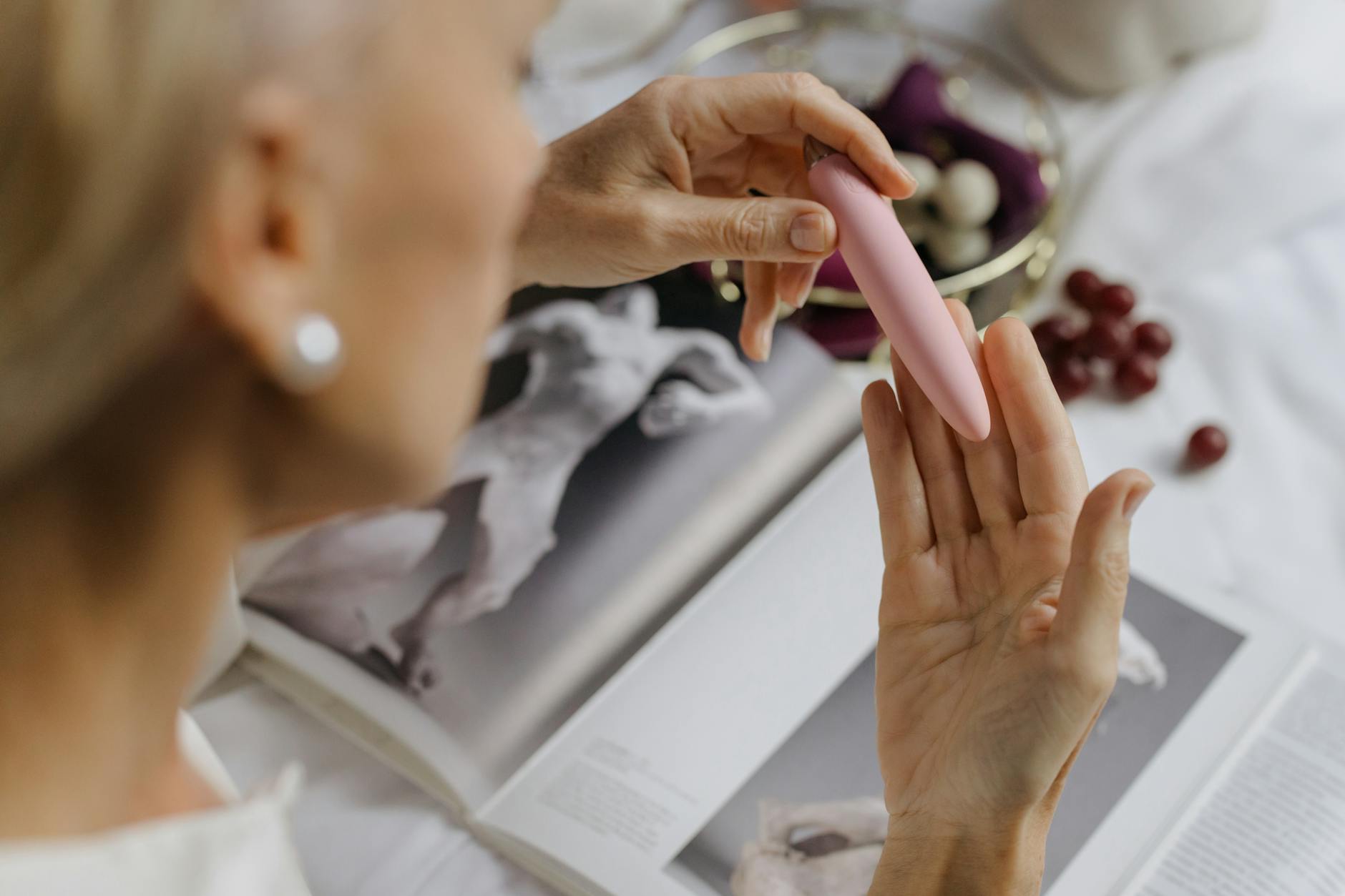
Pleasure doesn't erase what happened. But it can prove your body belongs to you again.
Pelvic trauma rewires your nervous system. Whether it's from sexual assault, childbirth injury, medical trauma, or chronic pain, your body learns to brace. Muscles tighten. Sensation dims. Touch that used to feel good now triggers panic or numbness. And the pressure to "get over it" and be sexual again makes everything worse.
Here's what I tell my clients: healing isn't linear, it's not fast, and it definitely isn't about pushing yourself back into sensation before you're ready. But there's a sweet spot where gentle, controlled pleasure becomes a form of nervous system recalibration. And lemon vibrators can be a surprisingly powerful tool for that if you use them right.
Why traditional vibrators often feel wrong after trauma
Most vibrators work by stimulating tissue through rapid, uninterrupted vibration. Your brain perceives that as input flooding in without your control. For someone whose nervous system has learned to associate touch with threat, that intensity can feel re-traumatizing even if intellectually you want it.
Suction-based toys like Hello Nancy's Lemons work differently. Instead of constant vibration, suction creates a gentle pulse that mimics the body's own natural rhythm. Your nervous system recognizes it as a gentler form of stimulation. You have more control over intensity. And crucially, it doesn't require penetration or deep pelvic floor engagement.
That last part matters more than you might think. After pelvic trauma, your pelvic floor muscles often stay chronically contracted. A suction toy lets you experience pleasure from external stimulation alone, without triggering the bracing response.
Start with nervous system safety, not sensation
Before you even touch a lemon vibrator, your brain and body need permission to slow down. Trauma specialists call this "window of tolerance." When you're too activated (triggered, panicked, flooded), pleasure isn't possible. When you're too shut down (numb, dissociated, frozen), you can't feel anything anyway. The work is staying in the middle.
Three grounding techniques I recommend before any kind of intimate exploration:
Progressive muscle relaxation. Starting at your toes, tense each muscle group for five seconds, then release. When you reach your pelvic floor, just notice it without forcing relaxation. This teaches your body that you're in control of tension, not the other way around.
The 5-4-3-2-1 sensory scan. Name five things you can see, four you can touch, three you can hear, two you can smell, one you can taste. This anchors you in the present moment and away from trauma memory.
Cold water reset. Splash your face or hold an ice cube for 15 seconds. This triggers the parasympathetic nervous system (your body's brake pedal) and interrupts a trauma response mid-spiral.
Do one of these for at least five minutes before introducing a lemon vibrator. Your nervous system needs to know it's safe first.
How to introduce a lemon vibrator safely
Start fully clothed. Yes, really. The first time you use a clitoral vibrator after pelvic trauma, your job isn't to have an orgasm. Your job is to prove to your nervous system that this object isn't a threat.
Day one. Hold the lemon vibrator in your hand. Look at it. Smell it (silicone is neutral, no scent). Turn it on the lowest setting for two seconds, then off. That's it. Notice: does your body tense up? Does your mind go somewhere else? Stay present and observe without judgment.
Day two through five. Repeat the above, but extend the "on" time to five seconds. Still over clothes if you want. Let your nervous system get used to the sensation at a distance.
Week two. Apply a water-based lubricant to the external area (no penetration). Hover the vibrator about an inch away at setting one. Don't aim for stimulation. Aim for familiarity. Let your body learn that this sensation is separate from what happened before.
Week three onward. Only when your nervous system feels genuinely calm during these sessions should you move to direct contact or higher settings. And even then, the goal isn't orgasm. The goal is reclamation. Orgasm will follow if and when your body is ready.
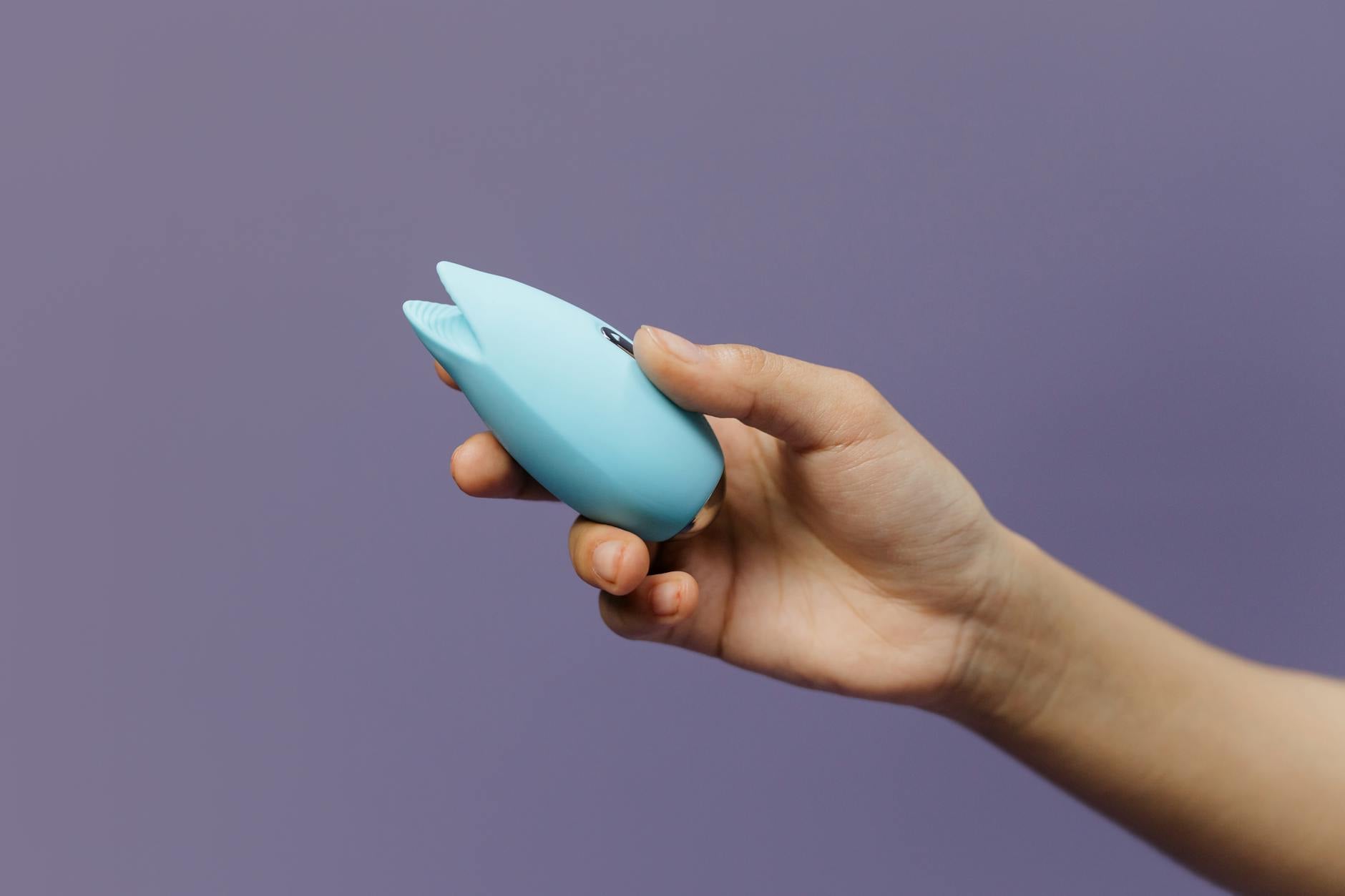
Photo by cottonbro studio on Pexels
Why suction therapy works better than vibration for trauma recovery
A lemon vibrator uses air-suction technology that's fundamentally different from traditional vibrators. Instead of high-frequency buzzing, suction creates rhythmic pulses that feel more like the body's own arousal response. Your nervous system doesn't perceive it as invasive.
Research on trauma and touch shows that patterned, predictable sensations help reset the nervous system. Suction is deeply patterned. You can see the pattern, predict what's coming next, and maintain a sense of control. That's not true of vibration.
Additionally, suction doesn't require blood flow to concentrate in the pelvic area. For people recovering from trauma, that deep pelvic engagement can sometimes trigger dissociation. Suction focuses stimulation externally and more superficially, which means less nervous system activation overall.
If you've been avoiding pleasure for months or years, that gentleness is the whole point. You're not trying to have a better orgasm right now. You're trying to teach your body that pleasure and safety can coexist.
Working with your partner (or not)
Many people recovering from pelvic trauma feel pressure to perform sexuality for a partner before they're ready. If you're in a relationship, this conversation needs to happen separately from the physical healing work.
Tell your partner: "I'm working on reclaiming my own pleasure. This isn't about you yet. Right now, this is just for me." Solo exploration with a lemon vibrator gives you full control. No performance pressure. No one's needs but yours.
When you do want to include a partner, start by using the vibrator solo while they're in the room, doing something neutral (reading, etc.). Let them see it's not a threat to them. The goal is their presence, not their participation.
Only when you're genuinely comfortable with the tool alone should you consider partnered use. And that can wait months. There's no timeline for healing.
What to expect (and what's normal)
After pelvic trauma, your body might respond in unexpected ways:
You might cry. That's your nervous system releasing stored tension. It's healing, even though it doesn't feel like it.
You might feel nothing. Numbness is your body's way of protecting itself. If numbness persists beyond a few weeks of gentle exploration, talk to a trauma-informed therapist or pelvic floor physical therapist.
You might have a flashback mid-session. Your job: pause, ground yourself using one of the techniques above, and then decide if you want to continue or stop. Both are correct.
You might feel tingling, twitching, or spontaneous tension release hours or days after use. That's your pelvic floor muscles slowly learning they don't have to grip constantly. It's normal and it passes.
Organ progression happens differently for trauma survivors. You might have micro-orgasms (tiny pulses of pleasure) before full ones. You might peak and then lose it, and that's okay. Your nervous system is relearning what it was taught to fear.
When to bring in professional support
Healing from pelvic trauma is not a solo job. A trauma-informed therapist (look for EMDR, Somatic Experiencing, or CPT certification) can help your brain process what happened. A pelvic floor physical therapist can assess whether your muscles are chronically tight and help them release.
If pain appears during or after use, stop. Pain is information. It usually means your nervous system isn't ready yet, or there's a physical component (like vaginismus) that needs clinical attention.
If pleasure doesn't return after several months of gentle work, that's also worth professional evaluation. Anhedonia (inability to feel pleasure) can be a sign of trauma, depression, or hormonal shifts. A good therapist or doctor can help you untangle which.
If you're in an unsafe relationship, a vibrator won't help. Healing happens in safety. That's non-negotiable.
The long view
Recovering pleasure after pelvic trauma is less like flipping a switch and more like learning a new language. Slowly, with repetition, your body remembers its capacity for sensation. You start to separate past trauma from present touch. And one day, you realize you're not thinking about what happened anymore. You're just present in what's happening now.
A lemon vibrator can be part of that journey. It's gentle enough for a nervous system that's learned to brace. It's controlled enough to give you agency back. And it works in your timeline, not anyone else's. That's the whole point of reclamation.
People also ask
Can I use a lemon vibrator if I'm still having flashbacks during intimacy?
Flashbacks mean your nervous system is still in active threat response. Before introducing any toy, work with a trauma specialist to help your brain recognize that the past is past. A vibrator might help eventually, but not until your baseline nervous system state is calmer. Your therapist can guide you on timing.
Will using a lemon clitoral vibrator trigger my partner to think I'm over the trauma?
No. Healing isn't linear, and pleasure doesn't mean you're "fine." You might have a great session with the vibrator one week and then feel triggered by touch the next. That's normal. Your partner needs to understand that pleasure and trauma can coexist temporarily. If they can't handle that, that's a separate relationship issue worth exploring.
How long does it typically take to feel sensation again after pelvic trauma?
It varies wildly. Some people feel initial sensation return in weeks. Others take months or years. Factors include the severity of the trauma, whether you're in therapy, your nervous system baseline, and whether you have supportive partners. There's no "normal" timeline. Your body's timeline is the right one.
Is it normal to feel guilty about experiencing pleasure after trauma?
Very normal. Trauma can create a narrative that you don't deserve pleasure, or that pleasure is somehow disrespectful to what happened. That's the trauma talking, not truth. Reclaiming pleasure is an act of healing and defiance. Guilt usually fades as you practice feeling safe in your own body.
Should I tell my doctor I'm using a vibrator for trauma recovery?
Yes, if you have a trauma-informed doctor. It helps them understand your healing process and rule out any physical complications. If your doctor isn't trauma-informed, seek one who is. Your pleasure and your healing deserve clinical support.
What if I can't afford therapy while I'm healing from pelvic trauma?
Therapy is ideal, but not always accessible. In the meantime: find free trauma resources (RAINN, National Domestic Violence Hotline, local sexual assault coalitions). Use grounding techniques daily. Connect with online support communities. Move your body gently. And use tools like a lemon vibrator as one part of healing, not a replacement for professional care. When you can access therapy, prioritize it.
Healing from pelvic trauma is possible. It's slow, it's not always linear, and it requires permission to be gentle with yourself. If a lemon vibrator can be part of that journey for you, wonderful. If it's not the right tool for your recovery, that's okay too. The point is reclamation. The point is your body knowing it's yours again.