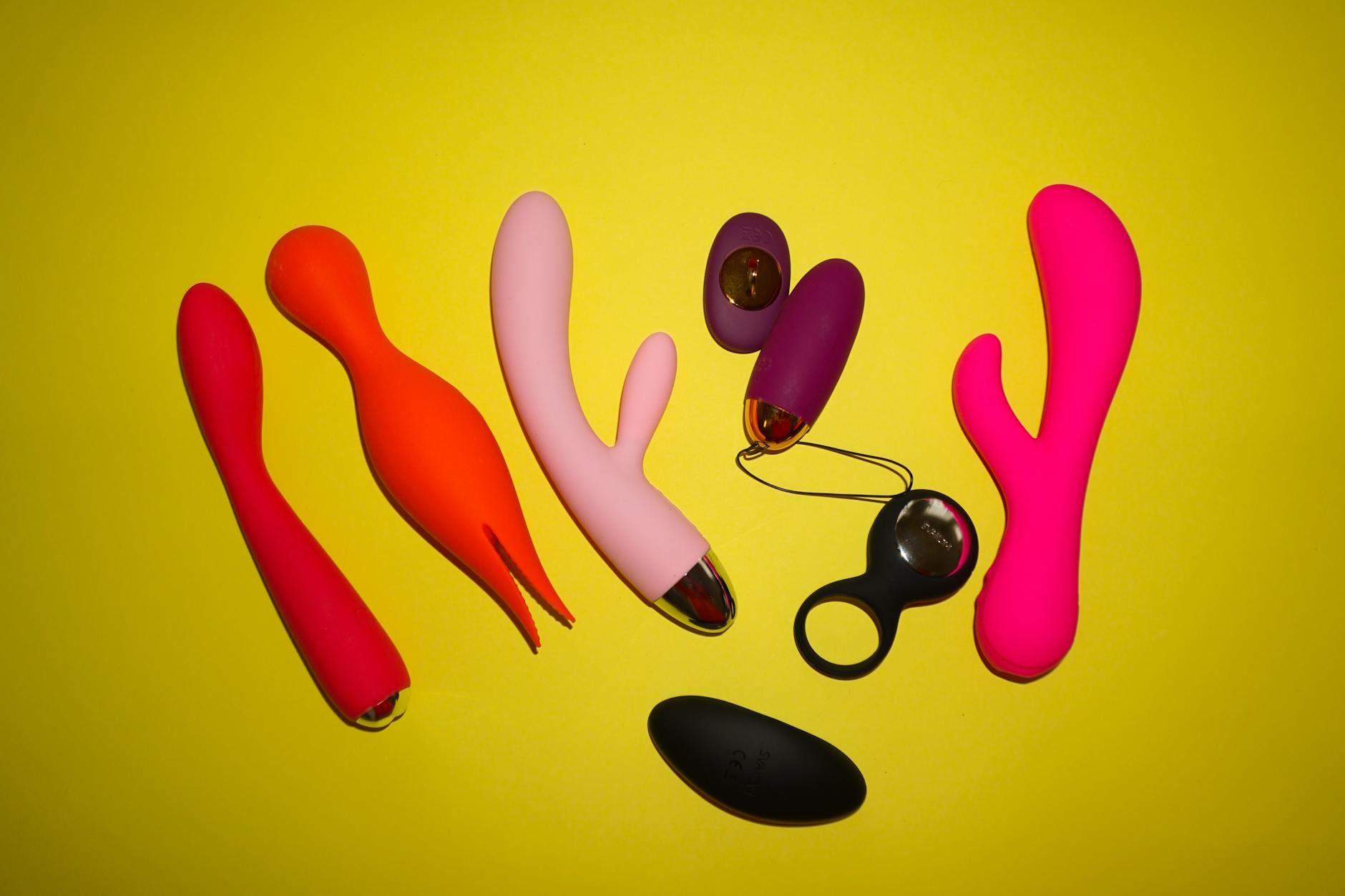
Here's what nobody tells you about low libido
Low desire isn't a character flaw, a sign your relationship is over, or proof that your body stopped working. It's a signal. And like all signals, it carries information if you know how to listen.
The tricky part: low libido can mean wildly different things depending on what's causing it. Stress, medication, hormonal shifts, relationship friction, depression, or just your nervous system saying "we're at capacity." A lemon clitoral vibrator can't fix the cause. But it can restart the pathway from desire to pleasure, which sometimes is exactly what your body needs to remember what it wants.
What actually kills desire (and what doesn't)
Let me separate myth from reality here. Low libido isn't triggered by:
Becoming comfortable in a relationship. Having a busy week. Not orgasming lately. Being over 35, 45, or 55. Taking a break from solo pleasure. These are all normal rhythms, not dysfunction.
What actually drains desire across weeks or months looks like this:
Chronic stress. Your parasympathetic nervous system (the rest-and-digest one) stays offline, and your sympathetic nervous system (fight-or-flight) stays locked on. When survival mode is running, libido hibernates. Understandable. Necessary even. But miserable to live in.
Medications. SSRIs, birth control, blood pressure meds, antihistamines. Many medications flatten desire as a side effect. This isn't weakness. This is chemistry.
Hormonal shifts. Perimenopause, postpartum, thyroid imbalance, PCOS. Hormones don't just affect tissue. They affect whether your brain registers a touch as pleasure or just sensation.
Relationship disconnection. When you feel unseen, unheard, or resentful, desire doesn't show up. That's not low libido. That's your body protecting itself from intimacy that doesn't feel safe.
Depression or anxiety. Both kill arousal by flooding your brain with cortisol and stealing your ability to focus on anything but the threat.
Why a lemon vibrator can actually help restart things
Here's the mechanism: when libido is low, the pathway from sensation to pleasure gets rusty. Your body can still feel touch. It's just that the signal doesn't translate into arousal. A lemon clitoral vibrator breaks through that static for a few reasons.
First, the suction design stimulates nerves without requiring your body to build arousal over a long runway. With a traditional vibrator, you might need 20 minutes of foreplay and mental clarity to reach arousal. With a lemon sucker vibrator, many people experience sensation almost immediately. That instant feedback loop tells your brain "oh, arousal is still there."
Second, low libido often comes with performance anxiety. The pressure to "be in the mood" kills mood. A lemon vibrator lets you skip the performance. You're not trying to orgasm for someone else. You're not proving anything. You're just exploring what feels good without judgment.
Third, lemon vibrators offer gentler, more targeted sensation than many other adult toys. If your nervous system is overwhelmed (which it is when stress is high), a tool that doesn't demand a lot of mental load can actually help you reconnect.
Honestly though, a vibrator is a tool, not a cure. It can't fix a hormone imbalance or repair a broken relationship or undo depression. But it can create a moment where pleasure is possible, and sometimes that moment is the thing that shifts something.
The practical approach to using a lemon vibrator when desire is low
Start small and context-free. Pick a time when you're not trying to have desire. Not before a date night. Not because your partner wants you to. Just a random Tuesday morning or a quiet evening. Remove the expectation that anything needs to happen.
Set the scene minimally. You don't need candles or music or anything elaborate. You need permission to do this. Privacy helps. A locked door. Fifteen minutes without checking your phone.
Begin on the lowest pattern. A lemon clitoral vibrator usually has 5-10 settings. Start on pattern 1. Your nervous system is already depleted. Gentle sensation is your friend right now. Press it gently against the side of your clitoris first, not directly on the tip. Many people find the sides and base more responsive than the head, especially when sensation is dampened.
Don't chase orgasm. This is critical. If you're using a vibrator to try to make something happen, you've lost the point. You're checking a box. Your body knows it. Stay with what feels good, even if it's just mild tingling. Even if nothing happens. The goal is reconnection with sensation, not climax.
Stop if frustration rises. If you're gritting your teeth or forcing yourself, you're done. Close the book. Your body might just need more time, more treatment of the underlying cause, or a different kind of help. Pushing harder is not the answer.
Why low libido and relationships are separate conversations
I see couples do this constantly: one partner has low desire, the other partner buys them a vibrator or suggests "more sex," and both people end up feeling worse. Because they've confused a symptom with a problem.
Low desire isn't usually about attraction or a failing relationship. It's about capacity. Your nervous system, your hormone levels, your stress load, your sense of agency. A vibrator doesn't fix those. Neither does your partner saying "just relax."
What actually helps is separating the two conversations. "I'm struggling with desire right now" is not the same as "I don't want you." But those feelings get tangled if you don't name them separately.
If you're in a relationship, the conversation might sound like this: I'm noticing my libido is low. I'm not sure why yet. I want to explore it alone first, with tools that help me reconnect. Then we can figure out what that means for us together. That honesty, that respect for your own process, actually rebuilds intimacy faster than forcing sex.
When to see a doctor about low libido
If desire has been absent for more than a few months, get bloodwork done. Thyroid, testosterone, estrogen, prolactin. Some imbalances are simple to fix. Others need real treatment.
If desire dropped suddenly after starting a new medication, talk to your prescriber. There might be alternatives. If libido tanked after a medical event (surgery, illness, trauma), a therapist who specializes in sexual health can help you reconnect to your body.
If your relationship is the core issue and a vibrator didn't shift anything, couples therapy is more useful than a new toy. A lemon vibrator can't fix relational disconnection. Only communication and time can do that.
People also ask
How long does it take for desire to come back?
It depends on the cause. Stress-related low libido often bounces back within weeks once the stressor eases. Medication-related desire loss might take months to resolve, or might require a medication change. Relationship issues take longer. Hormonal imbalances depend on treatment. There's no universal timeline. Be patient with your body.
Can I use a lemon vibrator every day if my libido is low?
Yes, but with one caveat: make sure you're using it to explore pleasure, not to "fix" yourself. Using a vibrator compulsively because you feel broken actually deepens the shame. Use it when it feels good. Skip it when it doesn't. There's no quota.
Is low libido a reason to end a relationship?
Not by itself. Low desire is a symptom, not a verdict. What matters is whether both people want to understand and work with it. If your partner refuses to engage or shows contempt, that's a relationship issue. If your partner supports you while you explore the cause, that's a relationship strength. The vibrator doesn't matter. The partnership does.
Should I tell my partner I'm using a lemon vibrator for low libido?
That's your call. Some people want privacy while they reconnect with their own body. Some couples find it intimate and exciting. Neither choice is wrong. Just be clear with yourself about what you need. If you're hiding it from shame, that's worth exploring. If you're keeping it private to protect your own process, that's healthy.
Can a vibrator cause lower libido if I use it too much?
Sensation can dull with repetition if you're always using the highest intensity or the same pattern. That's why mixing it up helps. Different settings, different positions, different times. A lemon vibrator gives you flexibility to vary the experience. But yes, if you're using the strongest setting daily, your nerve endings adapt and things feel less intense. That's not a reason to avoid vibrators. It's a reason to play with the settings.
What if nothing helps and I still have no libido?
Then the issue is bigger than a vibrator. You need a real conversation with a sexual health therapist or a doctor who specializes in sexual medicine. Low libido that doesn't respond to any intervention might signal depression, trauma, hormonal disease, or relationship patterns that need professional help. That's not failure. That's just information that you need a different kind of support.
Low libido is real, it's common, and it doesn't define you or your future. A lemon clitoral vibrator is one small tool in a bigger conversation about what your body needs and what your nervous system is trying to tell you. Listen to it. Be patient with yourself. Seek help when you need it. Everything else builds from there.