
Here's the thing about sensation fade
Your lemon clitoral vibrator doesn't feel like it used to. The patterns that had you gasping six months ago now feel like a gentle hum. You're wondering if the toy is dying, if you're broken, or if your body has just stopped responding the way it should.
None of those things are true. What's actually happening is called peripheral sensory adaptation, and it happens to every body that uses any vibrator regularly. Your nerve endings aren't damaged. They're desensitized. And more importantly, they're recoverable.
What desensitization actually is
When you use a lemon vibrator consistently, your nerve receptors get repeatedly stimulated by the exact same pattern, frequency, and intensity. After a while, those receptors stop firing as aggressively in response to that input. It's not fatigue in the muscle sense. It's your nervous system saying, "Okay, I've learned this signal. I'm going to turn down my response." This is why a pattern that felt intense on day one feels muted by month four.
The clinical term is habituation, and it's a feature of your body, not a flaw. Your brain is efficient. It stops yelling about stimuli that happen repeatedly because it's already learned they're not a threat.
Here's what matters: this is completely reversible.
Why it happens faster with some patterns than others
The rhythmic patterns on your lemon vibrator aren't equal in terms of habituation speed. Steady, repetitive patterns desensitize you faster than variable ones. If you've been using pattern 5 (the steady pulse) every single session for three months, your nerve receptors have learned it inside and out.
Pattern rotation helps, but only if you actually rotate. Most people stay loyal to one pattern because it works. That loyalty is precisely what creates the desensitization problem.
Intensity matters too. People often assume they need to increase power to feel more. Actually, power and habituation are tangled together. Very high intensity patterns create faster desensitization because they're more repetitive and harder to ignore initially. When sensation fades, you're tempted to crank intensity higher, which accelerates the desensitization cycle.
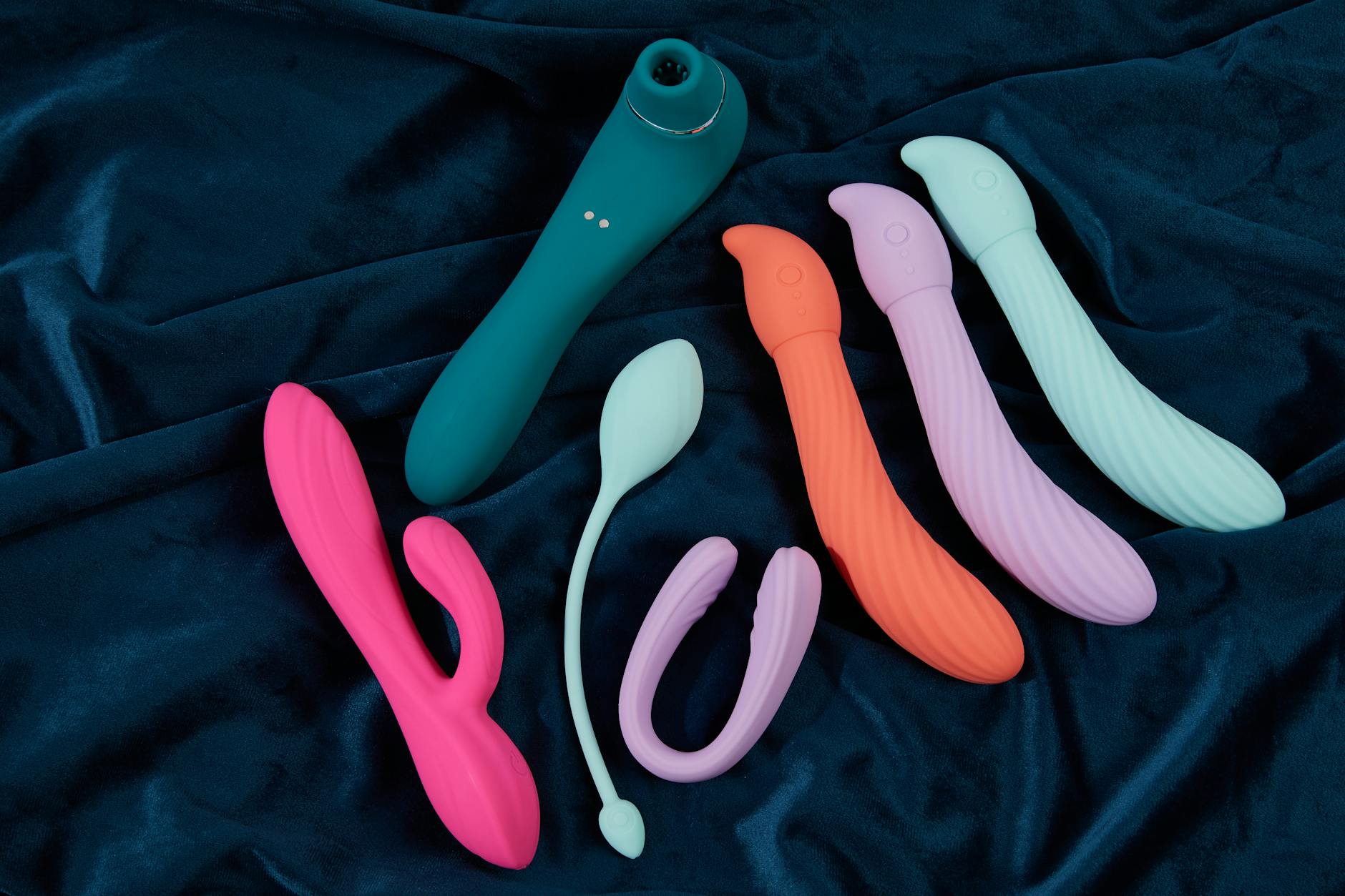
Photo by IFONNX Toys on Pexels
The reset protocol that actually works
If sensation fade is the problem, a genuine break is the solution. Not a weekend off. A real reset requires two to four weeks of zero vibrator use. I know that sounds extreme. It's the only thing that truly resets peripheral sensory adaptation.
During those weeks, your nerve receptors stop receiving the stimulus they've learned to ignore. They depressurize. When you come back to your lemon vibrator after that break, the sensation will feel noticeably sharper and more intense. This isn't placebo. Your nervous system has actually recalibrated.
Two weeks is the minimum threshold. Four weeks is the most effective. Most people see major improvement by week three.
What you do during the break matters. Solo play is fine, as long as it doesn't involve vibration. Partner touch, manual stimulation, and other forms of intimacy won't interfere with the reset because they activate different neural pathways than vibration does.
The prevention strategy that beats the reset
Obviously, you could also just avoid the desensitization in the first place. Here's how: pattern rotation every three to five days, intensity variation within each session, and one designated break week every two months.
Instead of picking your favorite pattern and riding it every time, map out a rotation. Monday and Tuesday, pattern 3. Wednesday and Thursday, pattern 7. Friday and Saturday, pattern 2. Sunday is a rest day or manual play only. This sounds tedious, but it takes thirty seconds to change a pattern, and it prevents weeks of frustration later.
Intensity variation is simpler. Start at pattern 1, build to your sweet spot over 10 to 15 minutes, then alternate down and back up. This keeps your receptors alert because they're not receiving the same signal continuously.
Why taking a break isn't the same as losing progress
Some people resist the reset because they worry they'll "lose" sensitivity or that they won't enjoy their lemon vibrator as much when they return. This is backward. Sensitivity increases after a break. That's the entire point.
Taking time off doesn't retrain your body to need less stimulation. It retrains your nerve endings to respond more sharply to stimulation. When you return to your lemon clitoral vibrator, you'll feel every nuance again. Patterns that felt numb will have texture. The experience becomes richer, not weaker.
What to do if you're in the middle of desensitization right now
You don't have to wait for the next planned break. If sensation has already faded noticeably, the reset starts now. Pick a date two to four weeks out. Mark it on your calendar. Stop using your lemon vibrator.
If partner play is in the picture, how to use a lemon vibrator with a new partner first time can help you explore non-vibrator intimacy during this window. Or explore manual touch, other body focus, or non-genital connection.
This break period is also a good time to clean and inspect your lemon vibrator thoroughly, check the battery, and approach the reset fresh.
When desensitization might be signaling something else
Most sensation fade is just habituation. But if you've taken a proper reset break and sensation hasn't returned noticeably, other things could be at play. Medication changes (antidepressants, antihistamines, and hormonal birth control can all affect sensation), hormonal shifts, stress, or changes in blood flow can all reduce sensation independently of vibrator use.
If you've reset and the numbness persists after two weeks back to regular use, that's worth checking in with a provider about. It's not an emergency, but it's information. How to regain sensation when your lemon vibrator feels numb goes deeper into specific recovery strategies beyond the basic reset.
The pattern question people always ask
Should you switch lemon vibrators during a reset, or is the same toy fine? The same toy is absolutely fine. The issue isn't the vibrator. It's the pattern and frequency you've been using it. As long as you come back with a different approach to pattern use, you'll feel the difference.
That said, some people find that taking a break gives them permission to experiment with a different toy entirely. If that feels right to you, go for it. But it's not required. Your lem vibrator will feel brand new when your nerve endings are actually rested.
FAQ
Can I prevent desensitization if I only use my lemon vibrator once a week?
Yes, mostly. Infrequent use (once a week or less) is unlikely to trigger significant habituation, especially if you're rotating patterns when you do use it. The desensitization problem shows up with multiple sessions per week over months.
Is desensitization the same thing as needing a stronger vibrator?
No. It's tempting to assume you need more power, but that typically makes the problem worse. The real fix is pattern variation and breaks, not upgrading intensity. You already have the sensation capacity. Your nerve receptors just need to reset.
How long does sensation stay sharp after a reset?
It depends on your usage pattern going forward. If you go back to your old routine (same pattern, same intensity, daily use), desensitization will start creeping back in around month two or three. If you implement pattern rotation and occasional breaks, you can maintain sharp sensation indefinitely.
Can you use a lemon vibrator too much?
Yes, in the sense that overuse causes desensitization. There's no physical damage threshold with quality lemon clitoral vibrators, but your nervous system's responsiveness has limits. Multiple sessions daily over weeks will accelerate habituation significantly.
Does desensitization happen with manual stimulation the way it does with vibrators?
It's less pronounced. Manual touch engages different receptors and varies naturally (pressure, speed, location change constantly). Vibrators are more uniform, which is why they're more prone to habituation. That said, repetitive hand movements can cause some adaptation, especially if the rhythm is very mechanical.
Can I reset sensation without taking a full break?
Partially. Aggressive pattern rotation and intensity variation can slow desensitization, but they won't reverse it the way a real break does. If sensation is already faded, you need the break. Prevention is where rotation works best.
The takeaway
Desensitization feels like your body has turned against you. It hasn't. Your nervous system is just doing its job so efficiently that it's stopped paying attention. The fix is straightforward: rest your nerve receptors, come back with pattern variety, and maintain that variation going forward. Your lemon vibrator will feel intense again. It just needs you to treat it strategically, not habitually. If you're ready to reset but unsure where to start, the guide on how to use a lemon vibrator again after taking a break walks you through the first sessions back. Your sensation depth isn't gone. It's just waiting for you to approach pleasure differently.