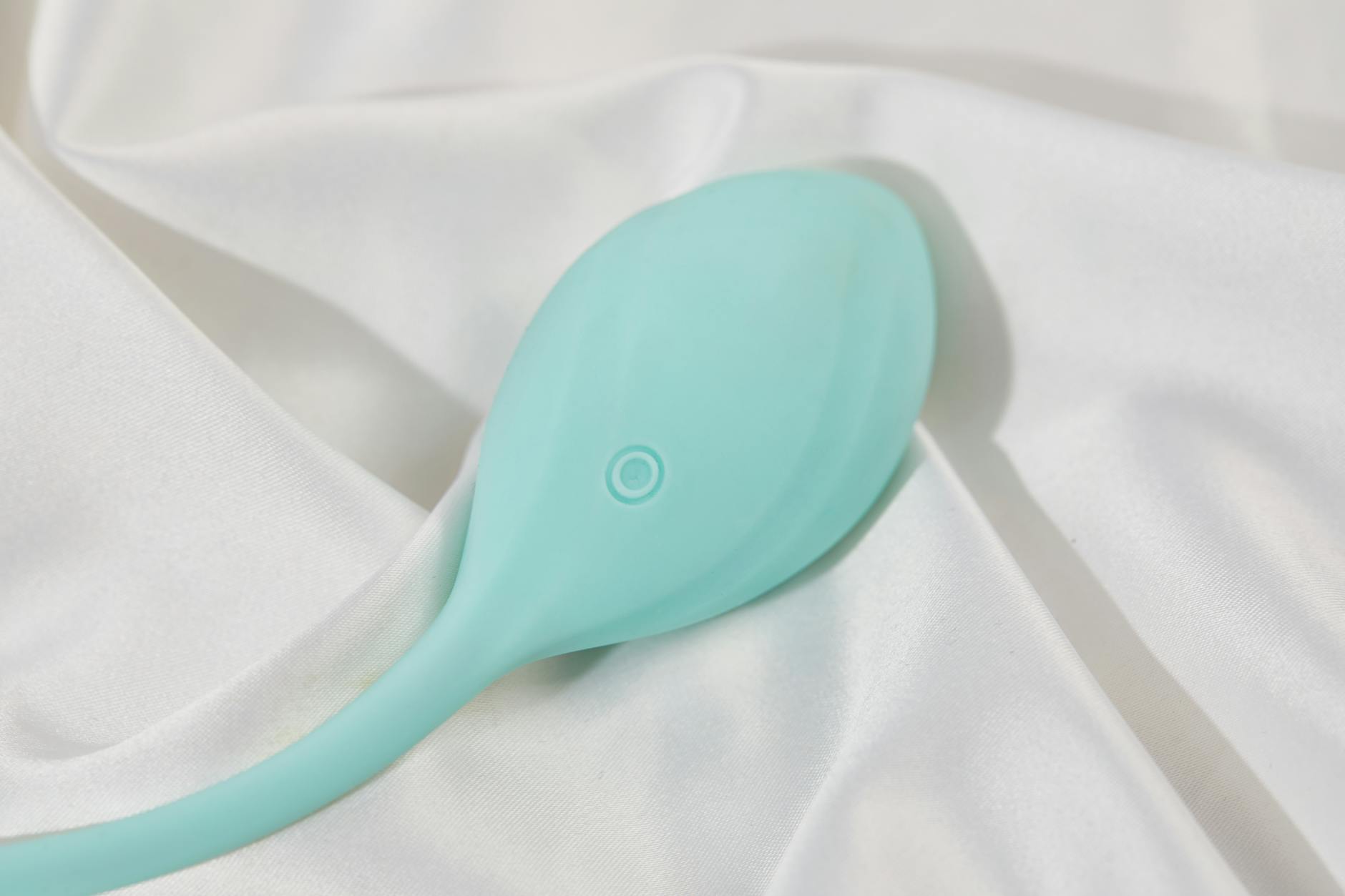
Silicone allergies, latex reactions, and mystery rashes happen. Here's how to find a lemon vibrator that's actually safe for your skin, and how to test before committing.
You've been wanting to try a lemon vibrator. You order one. It arrives. You're excited. Then within minutes or hours of use, your skin feels itchy, inflamed, or raw. Or maybe a day later you wake up with a contact dermatitis rash that lasts a week. This is not a personal failing. Material sensitivities to adult toys are wildly common and almost never mentioned in marketing copy.
Most vibrators, including lemon clitoral vibrators, are made from one of three base materials: silicone, thermoplastic rubber (TPR), or PVC. Each has real safety tradeoffs, and if you have sensitive skin or known sensitivities to plastics, you need to know the difference.
Medical-grade silicone is the gold standard. It's non-porous, doesn't leach chemicals, and rarely triggers allergic reactions. The lemon-shaped vibrators from Hello Nancy use high-grade silicone that's been tested for skin safety. If you're starting from zero and have sensitive skin, medical-grade silicone is your safest entry point.
Thermoplastic rubber (TPR) feels softer and more skin-like, which appeals to a lot of people. The problem is it's porous. It harbors bacteria and can break down over time, leaching plasticizers into your body. If you have any history of contact dermatitis or chemical sensitivity, TPR is the riskier choice.
PVC and jelly materials are the worst culprits. They're cheap, they contain high levels of phthalates (plasticizers that aren't safe for genital tissue), and they're genuinely more likely to trigger allergic reactions. Avoid them if you have sensitive skin.
Silicone allergies are rare but possible. More common: reactions to dyes, fragrances, or additives mixed into cheaper materials. Sometimes it's not an allergy at all. It's a mechanical irritation (the vibration intensity or pattern is too much for thin or inflamed tissue) masked as an allergic response.
Here's how to figure out which one you're dealing with:
True silicone allergy causes itching, redness, or swelling that shows up during or immediately after contact and persists for hours. It's rare, but it happens. If you suspect this, stop use immediately and see a dermatologist.
Chemical reaction to additives feels like localized irritation, usually around the vulva or labia. It often appears 12-24 hours after use and can itch for days. This is much more common than silicone allergy and usually improves if you switch to a cleaner material.
Mechanical irritation shows up as rawness or minor abrasion, especially if you've used the toy for a long time without enough lubrication. This isn't an allergy. It's friction damage, and it's preventable.
If you have a history of contact dermatitis, latex sensitivity, or chemical sensitivities, patch testing a new toy is worth the time. Here's how:
Clean the toy thoroughly with warm soapy water and let it dry completely. Apply a small amount of water-based lubricant to a patch of skin on your inner arm or behind your ear. Let the lemon vibrator make contact for 10-15 minutes without running it. If you don't see redness, itching, or any reaction within 4 hours, you can try it on more sensitive tissue.
Still nervous? Wait 24 hours after the patch test. Some reactions take a full day to develop. Once you're confident it's safe, start with the lowest intensity setting on your lemon vibrator and use it for just a few minutes with plenty of lubrication.
Most reactions people attribute to their vibrator are actually reactions to incompatible lubricant. Silicone-based lubes can break down silicone toys. Oil-based lubes trap bacteria and heat. If you have sensitive skin, water-based lubricant is non-negotiable.
But not all water-based lubes are equal. Some contain glycerin (which can feed yeast infections in sensitive vulvas), parabens (which trigger contact dermatitis in some people), or fragrance additives. If you're already dealing with sensitivity, choose a simple, additive-free water-based lube. Your dermatologist or gynecologist can recommend brands if you're stuck.
Even if your lemon vibrator is made from safe materials, improper cleaning can introduce bacteria or residue that irritates sensitive skin. After every use, wash the toy with warm soapy water and pat dry completely. Store it in a clean, dry place away from direct sunlight and heat (which can degrade silicone over time and potentially release compounds).
If you're prone to yeast infections or bacterial vaginosis, consider washing your toy with a toy cleaner specifically formulated to kill bacteria and yeast without harsh chemicals. It's a small extra step that can prevent a lot of irritation.
If you've used a lemon vibrator and developed a rash or irritation, stop use immediately. Rinse the area with cool water and pat dry. Avoid additional irritants (including other toys, tight clothing, and douching) for a few days while the tissue heals.
Most contact dermatitis clears on its own in a few days to a week. If it persists beyond 7 days, spreads, or develops pustules or serious swelling, see a gynecologist or dermatologist. You might need a topical steroid cream to speed healing.
Once you've recovered, you have two choices: ditch that toy and try a different brand or material, or test another toy and see if the same reaction happens. If it only happened with that specific toy, the material was the culprit. If you react to multiple toys, you might have a true silicone allergy or an underlying skin condition that needs medical attention.
Hello Nancy's lemon vibrators are made from medical-grade silicone and are phthalate-free, which puts them at the safer end of the spectrum. The Lem vibrator is specifically designed for sensitive tissue and is a good starting point if you're nervous about reactions.
That said, even medical-grade silicone can occasionally trigger sensitivity in someone with very reactive skin. The patch test method above still applies. No toy is universally hypoallergenic, but medical-grade silicone from a reputable brand significantly reduces your risk.
If you have a history of contact dermatitis, you might simply be someone whose skin reacts to anything on the vulva that isn't your own body. That's not a flaw in the toy. That's your skin telling you something. Some people benefit from using a barrier (like a condom over the toy) to create distance between the material and their skin. Others find that certain times of their cycle trigger more sensitivity. Pay attention to patterns.
Your pleasure matters, and that includes the pleasure of not having a rash. Taking time to find the right toy and the right process for your body is not paranoid. It's smart.
True silicone allergy is rare, but it's possible. Medical-grade silicone triggers fewer reactions than cheaper TPR or PVC materials. If you suspect a silicone allergy, stop use and see a dermatologist who can run a patch test. Most vibrator reactions are actually responses to additives, dyes, or lubricants rather than pure silicone.
Silicone allergic reactions typically cause itching, redness, swelling, or hives during or shortly after contact. The reaction is localized to where the toy touched your skin. If you notice this pattern across multiple silicone toys, mention it to a dermatologist. They can perform a patch test to confirm a true silicone allergy versus a reaction to other materials.
Absolutely. The right lubricant reduces friction, which minimizes irritation and mechanical damage to delicate tissue. For sensitive skin, choose a simple water-based lube with minimal additives, no glycerin, and no parabens. Many people with sensitivity tolerate hypoallergenic lubes far better than standard options.
Medical-grade silicone is the safest option for sensitive skin. It's non-porous, doesn't leach chemicals, and is specifically tested for genital use. Avoid TPR, PVC, and jelly materials if you have a history of contact dermatitis or chemical sensitivity. Always check product descriptions to confirm you're buying medical-grade silicone, not generic silicone.
Yes. Latex sensitivity is different from silicone sensitivity, and people rarely react to both. If you're allergic to latex condoms, you might tolerate silicone toys fine. If you react to silicone toys, latex sensitivity is unrelated. That said, if you react to multiple materials, you might have a broader contact dermatitis tendency and should talk to a dermatologist about identifying your specific triggers.
Wait until the rash or irritation is completely gone, usually 3-7 days. Once healed, patch test on non-genital skin first (inner arm or behind your ear) with the same toy or a new one. If that's clear after 24 hours, you can try on sensitive tissue. If you had a reaction to a specific lemon vibrator, try a different brand or material next time. If multiple toys cause the same reaction, sensitivity is real and worth investigating with a dermatologist.
Sensitivity to vibrators isn't a personal quirk or a sign that you can't use toys. It's your body's way of telling you what it needs. Medical-grade silicone lemon vibrators, proper lubrication, and careful testing make pleasure accessible even for sensitive skin. If you're still nervous after reading this, reach out to the Hello Nancy team or your gynecologist. Your comfort and safety come first.