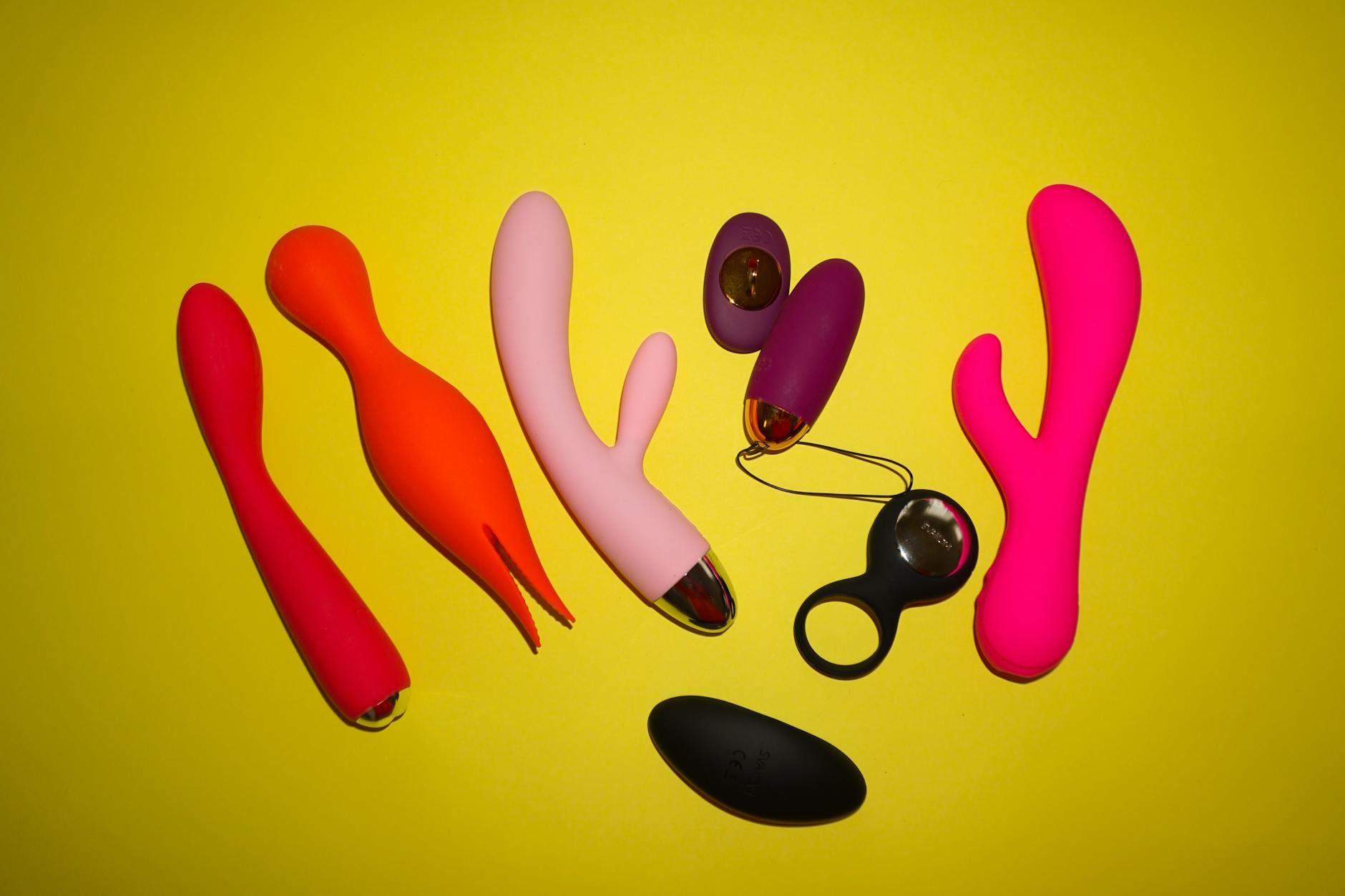
Your clitoris doesn't age the same way your face does. But it does change. The tissue thins slightly, blood flow shifts, nerve sensitivity can sharpen or dull depending on overall health and hormones, and the way stimulation registers in your brain evolves too. If a lemon vibrator felt perfect at 30 and feels janky at 45, you're not broken. You're just negotiating a new setup.
The good news: lemon vibrators are actually brilliant for bodies that have gotten older. The suction-based stimulation doesn't rely on the kind of direct friction that becomes uncomfortable when tissue thins. But the settings that worked before might need tweaking. Let's talk about what changes and what to do about it.
There are three big factors here. First, estrogen. Even if you're not menopausal, estrogen naturally fluctuates across your lifespan, and those shifts affect vaginal and clitoral tissue directly. Lower estrogen means less plumpness in the vulva and clitoris, which changes how suction feels against your skin.
Second, blood flow and arousal speed. After 40, it typically takes longer to get aroused, and blood flow to the genitals can be slower or less intense. That means a pattern that used to bring you to the edge in three minutes might now take five or seven. You're not less responsive. You're just operating on a different timeline.
Third, nerve sensitivity is honestly unpredictable. Some people report their clitoris becomes more sensitive with age (often linked to hormone shifts or reduced friction from daily activities). Others find they need more intensity to feel the same buzz. It's individual.
Here's the thing nobody says: this isn't a loss. It's information. Once you know how your body is reading sensation now, you can use a lemon vibrator more effectively than you ever did.
This is genuinely the single most useful hack I give people over 40 who are relearning their lemon vibrator. Forget what worked before. Start at pattern 1 or 2 and stay there for at least five minutes, even if you feel like you should bump it up.
Why? Because your arousal curve has changed. The first five to seven minutes of stimulation now is doing the work that used to happen in the first minute or two. By pattern 3 or 4, you might already be somewhere you don't want to be yet. If you jump straight to the intensity that used to work, you bypass the buildup, and the sensations feel either flat or weirdly intense with no middle ground.
The patterns on a lemon vibrator move through intensity gradually, and that matters more now. Let each one build. Notice what happens in your body at pattern 1. Breathe. Let blood flow accumulate. Then move up. You'll find there's way more resolution in the lower settings than you remember, and the climbing happens faster than you expect once you're actually warmed up.
Water-based lube is your actual friend here. Not because there's anything wrong with you. But because thinner tissue benefits from the glide, and it lets the lemon vibrator do what it does best: suction, not friction. A small amount (teaspoon-sized) of lube around the clitoris and labia means the device can create that seal and pull without tugging skin.
The texture of the silicone on your clitoris without lube might feel sharper now than it used to. That's the tissue change, not oversensitivity on your part. Add lube, and suddenly the whole experience becomes smoother and more pleasurable. It's not cheating. It's physics.
Reapply as needed. Some people find they need fresh lube halfway through, especially if arousal is slower. That's normal.
This might feel counterintuitive. After 40, you might think you need longer sessions. Sometimes yes. But more often, what you actually need is more time to warm up and less time being overstimulated.
Build in ten to fifteen minutes of foreplay without the vibrator. Touch yourself, use your hands, breathe. Get your body interested before you bring in the device. This isn't wasted time. This is priming the nervous system to respond.
Then, when you use the lemon vibrator, you might actually finish faster because you're already aroused. That's great. Sessions don't need to be long. They need to be well-timed.
Your pelvic floor has shifted slightly with age, and the angle that used to work might need adjusting. Some people find that lying on their back with a pillow under their hips changes the sensation. Others need to shift slightly forward or back to find the sweet spot again. The clitoris hasn't moved, but the tissue around it has, and that changes the geometry.
Try different positions across a few sessions. Note what feels best. You might be surprised to find a position you never tried before because it wasn't necessary. Now it is.
Here's where I see people get stuck. Everyone hears "do Kegels as you get older" and tightens up. Yes, pelvic floor strength is helpful. But so is the ability to fully relax. After 40, many people have unconsciously tightened their pelvic floor out of stress, hormonal shifts, or years of tension.
If your pelvic floor is locked, even a lemon vibrator at pattern 1 feels intense. Spend time learning to relax the muscles down there. Breathe into the area. Imagine releasing on the exhale. This is as important as strengthening.
A few minutes of intentional relaxation before using your lemon vibrator will change everything. You'll feel more, not less.
If your lemon vibrator suddenly feels wrong and it's been a staple, look at what else has changed. Are you sleeping worse? More stressed? On new medications? Drinking more alcohol? All of these affect blood flow, nerve sensation, and arousal capacity.
Sometimes the vibrator isn't the problem. Sometimes it's dehydration, poor sleep, or stress. Address those first, then revisit the device. You might be amazed at the difference.
Honestly, half of what shifts after 40 is mental permission. If you're spending your time with the lemon vibrator feeling like something should be different, or comparing your response to how you were at 35, you're cutting off your own pleasure.
Your body now is not worse. It's different. It knows things. It has preferences it didn't have before. If you can genuinely meet it there, without judgment or nostalgia, the sensations become richer, not dimmer.
I also see people stop using toys they love because they assume sensitivity changes mean they've outgrown them. Not true. You might have just outgrown the way you were using them.
If pain appears during use, that's a signal to talk to a doctor. Pain is different from sensation shift. Genitourinary syndrome and other age-related conditions are treatable. A menopause-informed GP or gynecologist can help identify what's happening.
If you're struggling with desire or arousal more broadly, that's also worth exploring. Hormonal shifts, relationship changes, and life stress all converge around your 40s, and sometimes a therapist trained in sexual health can help separate what's physical from what's relational or emotional.
But if your lemon vibrator simply feels different and you're looking to recalibrate, the adjustments above will almost always get you back to pleasure. You're just learning the new language your body speaks.
Maybe, but I don't recommend starting there. Your body has changed, and jumping straight to old settings often feels wrong because you skip the arousal buildup your body now needs. Start at pattern 1 and work up. You might settle back at your old favorite intensity eventually, but the path to getting there matters now.
Completely normal. They might feel shorter, longer, more diffuse, more intense, or just different in shape. None of those are problems. Your nervous system is still you. The sensation is just expressed differently. Some people report their best orgasms ever come after 40.
No. Lube is a tool. It helps the device work better with thinner tissue and creates better suction. It has zero bearing on your health or responsiveness. Use it liberally.
Not necessarily. Lemon vibrators are actually excellent for older bodies because they use suction instead of friction. That said, if you find patterns even at level 1 feel too intense, a gentler device might be worth exploring. But give yourself time to adjust your technique first.
Talk about it directly. Your body is changing, not failing. A good partner will want to know what feels good now and adjust accordingly. If you're curious about shared pleasure, reading about how to use a lemon vibrator with a partner might give you both ideas to explore together.
Rare, but hormonal shifts can affect responsiveness. If orgasm has disappeared entirely and isn't returning, that's worth discussing with a doctor. But temporary shifts in how long it takes or what intensity you need are just adaptation, not dysfunction.
Your pleasure doesn't expire at 40. It evolves. Your lemon vibrator is still the right tool. You're just using it in a body that's wiser and more interesting than the one you had before.