
What actually happens when you use a lemon vibrator
Here's the thing: not all sensation is the same, and not all bodies respond to the same type of touch. A lemon vibrator doesn't just buzz. It creates pressure, movement, rhythm, and pattern. Some people chase vibration speed. Others light up when the pattern shifts. Still others don't care about any of that. What they want is the suction.
Understanding the difference matters because it's the gap between "this isn't working for me" and "oh, now I get it."
Air-suction versus direct vibration
Let's separate these two technologies because they feel nothing alike, even though people often lump them together.
Air-suction toys like the Lem work by creating a seal and gently suctioning the clitoral area. It's a rolling, pulsing sensation that focuses pressure without direct grinding friction. You place it over the clitoris (not inside), and the suction does the work. Think of it as less jackhammer, more gentle wave.
Direct vibration, by contrast, is what you probably picture when you hear "vibrator." It buzzes directly against tissue. Faster. More intense. Continuous stimulation with varying speeds.
The reason this distinction matters: sensitivity levels. People with highly sensitive clitorises often find direct vibration overwhelming or even painful. The pressure can feel sharp or irritating. Air-suction spreads pressure across a wider area, which many find gentler and more pleasant. But other people find air-suction too subtle. They want the direct buzz.
Neither is wrong. Both exist because bodies are wildly different.
Pattern versus intensity
Most lemon vibrators and other clitoral vibrators come with multiple patterns alongside speed controls. A pattern is a preprogrammed sequence of pulses and pauses. Intensity is simply how strong the vibration (or suction) is at any given moment.
Here's what I've noticed in talking with people: many assume faster always equals better. It doesn't. Some of the most reliable orgasms come from slower, repetitive patterns that build gradually. Other people find slow boring and need the high-speed settings to get anywhere.
Start with intensity first. Find the baseline level that feels good. Then experiment with patterns. You might discover that pattern three at 40 percent intensity hits differently than speed nine at full blast.
The real magic often happens in the middle range of intensity. It's enough stimulation to feel substantial without overwhelming your nerve endings.
How sensitivity changes the game
Sensitivity isn't a fixed thing. It shifts throughout your cycle, with stress levels, with age, with medications, with arousal state. The way your clitoris feels on a Monday morning is not the same as how it feels on a Friday night after foreplay.
If you find that a toy feels harsh or numb, resist the urge to automatically jump to a stronger toy. Nine times out of ten, you just need to ease into it differently. Start with a lighter touch. Use lubricant even if you don't think you need it. Spend more time warming up. Let arousal build.
When you're highly aroused, tissue becomes more resilient and responsive. You can handle intensity you couldn't manage five minutes earlier. This is why masturbating when you're in a rush often feels like it's not working. Your body isn't ready yet.
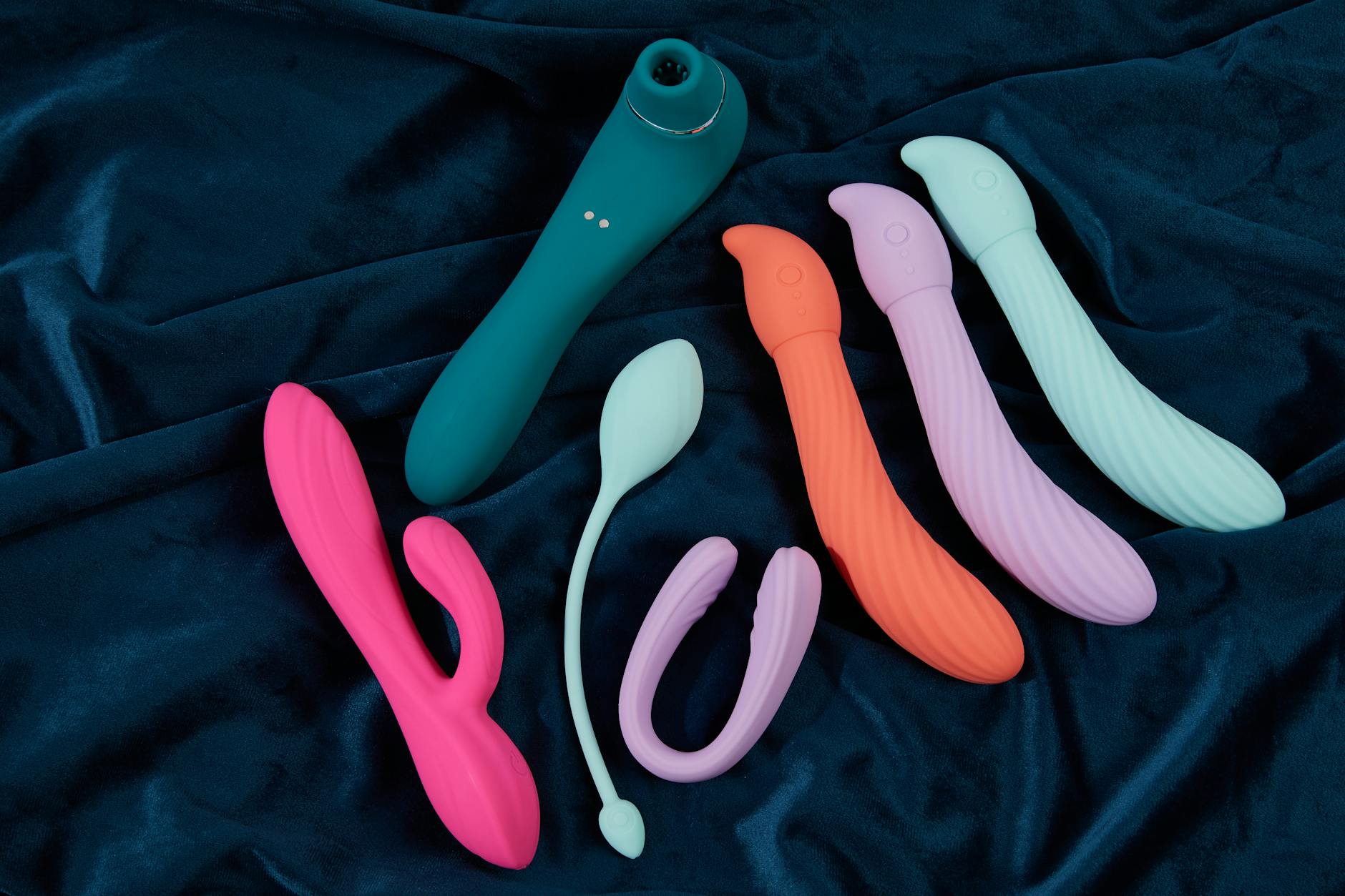
Photo by IFONNX Toys on Pexels
Rhythm, angles, and pressure points
There's a reason people spend time with toys instead of just immediately reaching orgasm. Rhythm matters enormously. The clitoris responds to patterns the way your brain responds to music. A steady beat is satisfying. A syncopated rhythm can be more engaging. A random pattern might feel unpredictable and exciting, or it might feel chaotic and distracting.
Angle matters too. The clitoris is not a single point. It's a complex structure with a glans and internal branches. Some people find direct stimulation on the glans intense. Others prefer pressure slightly off to the side or above it. The angle changes the pressure distribution.
Pressure point specificity is real. A toy that's slightly too wide for your preference might spread the sensation too thin. One that's too narrow concentrates it in a way that either feels perfect or overwhelming. This is partly why people often need to try a few different options before finding the one that clicks.
Using lemon vibrators with a partner
When you're exploring stimulation types with a partner, communication becomes your most important tool. "Does this feel good?" isn't enough information. Better questions: "Is this too intense?" "Does the pattern help or distract?" "Should I move it slightly left?"
Many people feel self-conscious directing their partner during pleasure. Fight that. Your partner wants to know what works. They're not mind readers, and guessing is exhausting for everyone involved.
If you're using a toy together, take turns exploring. Let them try different settings so they understand what feels different to you. Sometimes the person holding the toy needs to feel the difference in their hand to really get it.
When introducing a clitoral vibrator to partnered sex, slow integration helps. Use it during foreplay first, not during penetration. Get comfortable with it solo first, so you know what you're asking for. Then bring it into shared time together.
Combining lemon vibrators with other touch
One of the underrated moves: layering sensations. A lemon vibrator alone is one thing. A lemon vibrator plus fingers on other parts of your body is something else entirely. A lemon vibrator plus penetration (if that's something you enjoy) changes the whole experience.
The brain can only focus on so much stimulation at once, so adding another sensation sometimes feels like more, and sometimes it just distributes the stimulation differently. You might find that using a toy during partnered sex with simultaneous touch feels less intense than using the toy alone because the sensation is spread across multiple points.
Lubrication also fundamentally changes how stimulation feels. Even toys designed for external use benefit from a light layer of water-based lube. It reduces friction, makes gliding easier, and can make the sensation feel less sharp and more rolling.
Reading Your Body Over Time
Your preferences will shift. A toy that was perfect six months ago might feel off now. That's not the toy failing. That's you changing. Hormones, stress, relationship status, confidence level, even what you had for lunch. Everything affects sensation.
Instead of assuming you've outgrown something, try it again. Sometimes a toy that felt overwhelming is exactly right once your nervous system is fully relaxed. Sometimes what felt good when you were stressed now feels jarring when you're calmer.
Keep notes if you want to (mentally or written). Over time you'll notice patterns. Maybe you gravitate toward slower patterns when you're tired but want speed when you're energized. Maybe you prefer air-suction when you're not fully aroused but vibration once you're really turned on. That self-knowledge is your competitive advantage.
FAQ: Lemon vibrators and stimulation styles
What type of stimulation is best for sensitive clitorises?
Air-suction toys spread pressure across a wider area without direct friction, making them ideal for people with heightened sensitivity. The Lem's gentle pulsing action feels less intense than direct vibration. If direct vibration feels overwhelming, start with air-suction at lower intensities and slower patterns. You can always increase from there.
How do I know if I need a different type of toy?
If you're consistently not reaching orgasm, explore changes before changing toys. Increase arousal time, adjust pressure or angle, try different patterns, add lubrication. Often the issue isn't the toy. It's how you're using it or what your body needs in that moment. If you've genuinely tried multiple approaches and nothing works, then exploring a different toy type makes sense.
Can you use a lemon vibrator during partnered sex?
Yes, and many couples find it enhances the experience. Use it during foreplay first to get comfortable. During penetration, experiment with placement. Some people enjoy it on the clitoris during penetration. Others prefer it before or after. Start with slower settings and let your partner see what you respond to.
Why does my vibrator feel numb sometimes?
Your nerve endings habituate. Continuous stimulation at the same intensity for too long stops feeling like much. The fix: vary the intensity, change patterns, take a break and come back, or add another sensation. Your body isn't broken. It's just desensitized, which is normal and temporary.
Should I start with patterns or intensity settings?
Start with intensity. Find a comfortable baseline level, then explore patterns at that level. You can always increase intensity once you know which pattern works for you. Many people find their sweet spot in the middle range of intensity rather than at maximum speed.
What's the difference between air-suction and vibration toys?
Air-suction creates gentle pulsing pressure through suction and release, spreading sensation across the area. Direct vibration buzzes against tissue with varying speeds and patterns. Air-suction is often gentler on sensitive areas. Vibration provides more direct, potentially more intense stimulation. Try both to see what your body prefers.
Finding what actually works for you
Most of what I hear from people exploring lemon vibrators and other clitoral vibrators comes down to permission. Permission to try different settings. Permission to spend time figuring out what works instead of assuming the first sensation is the answer. Permission to realize your body might want something different tomorrow than it wants today.
Sensation is not one-size-fits-all, and neither is pleasure. The point of understanding different stimulation types is giving yourself options, not adding pressure. Start with what feels good. Pay attention to rhythm, intensity, and pattern. Notice what changes when you adjust one element. Then follow that curiosity.
Your body knows what it likes. Sometimes it just needs you to listen long enough to hear it.