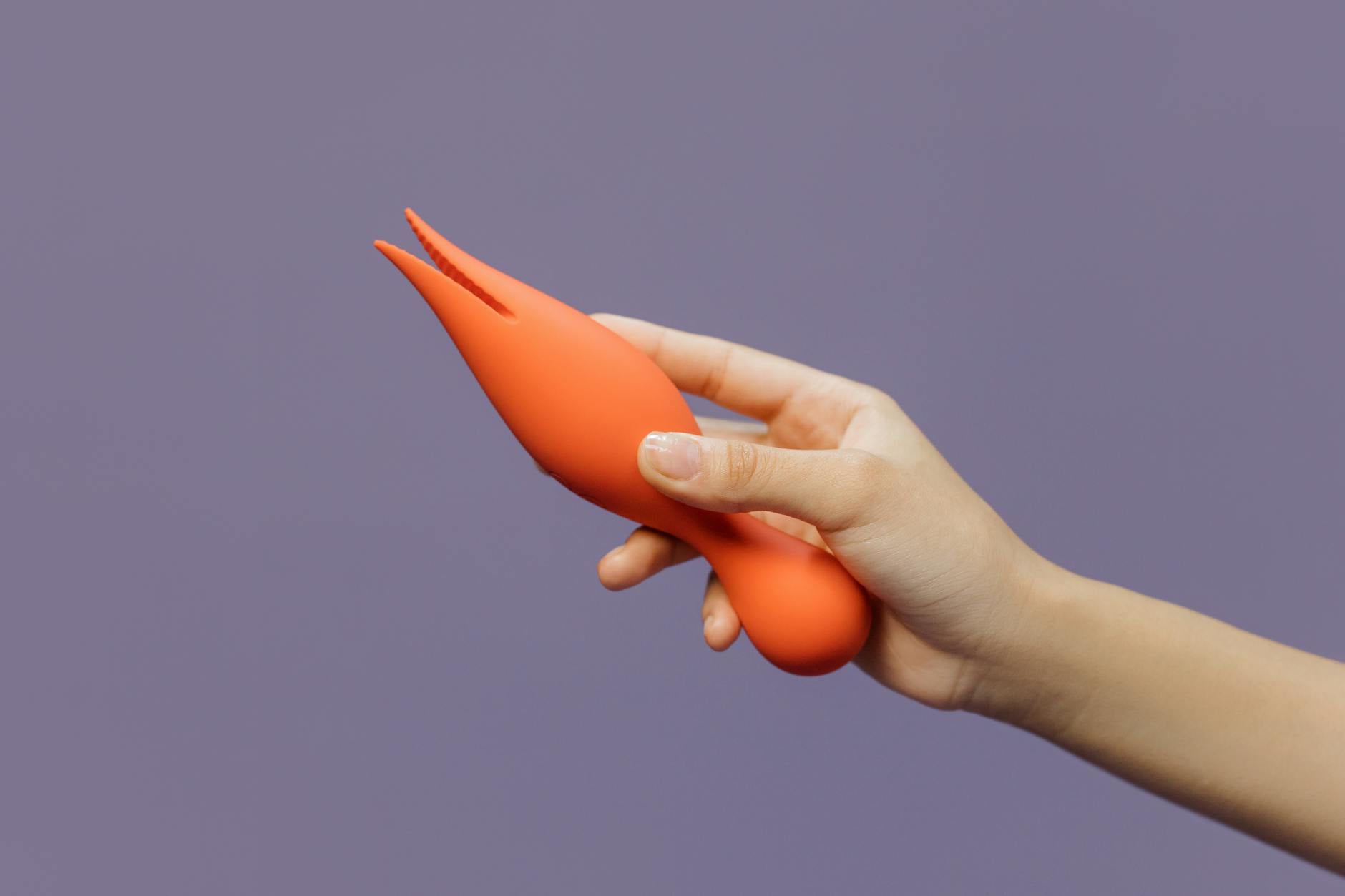
Here's what nobody tells you about mismatched libido
You want sex three times a week. Your partner wants it once a month. Neither of you is broken. Neither of you is wrong. But the gap creates a kind of silent friction that whispers, "Maybe they don't want me anymore" or "Maybe I'm asking too much." Both stories are lies, and both damage things.
A lemon clitoral vibrator doesn't solve mismatched desire. But it does something more useful. It lets you both stay connected to your own pleasure without performing for the other person. It removes the pressure cooker.
Why the mismatch happens (and why it's not about you)
Libido is wildly context-dependent. Stress, medication, depression, relationship anxiety, hormonal shifts, work burnout, and simple neurological variation all shape desire. Your partner might genuinely want to want sex more and still struggle to feel it. That contradiction is real and common.
Here's the trap: when you want sex and they don't, the rejection can feel personal. You internalize it as "They're not attracted to me anymore" or "Something is wrong with us." In reality, they're probably struggling with their own internal weather. They may feel guilty, broken, or pressured. That guilt often kills desire faster than anything else.
A lemon vibrator changes the dynamic because it removes the performance requirement. You're not waiting for them to want sex. You're exploring your own pleasure, and they're invited to be present in whatever way feels comfortable.
The conversation before you bring it in
Don't surprise them with a vibrator and hope it fixes things. That's like hoping good sex will save a marriage. It won't, and it'll add another layer of pressure.
Start here: "I've noticed our desire levels don't always match, and I don't want that gap to make either of us feel rejected or guilty. I'm thinking about using a clitoral vibrator sometimes, and I'd like to talk about what that could look like for us."
Then listen. Really listen. They might say, "I'd feel bad if you needed that without me." That's a real feeling, and it's worth exploring. They might say, "That sounds hot, I want to watch." That's also real. Or they might say, "I need to think about it." All of these are okay.
The point is the conversation happens before the vibrator arrives, not after.
How to introduce a lemon vibrator into your shared life
Four ways this can work, depending on where your partner actually is:
1. They're present but not initiating. This is the most common scenario. You use a lemon clitoral vibrator during foreplay or solo play while they're in the room, watching or touching you elsewhere. A lemon vibrator's design makes this feel natural. They can focus on what excites them. You get the direct clitoral stimulation without waiting for their desire to match yours. No performance required.
2. They want to be involved but their libido is lower. They might touch you, kiss you, or be inside you while you use the vibrator. This lets them participate at their own pace without pressure to sustain an erection or orgasm on a timeline that doesn't fit their body. The vibrator does the heavy lifting. They show up.
3. You use it separately, and that's the agreement. Some partners genuinely prefer not to be present. That's valid. You can use a lemon vibrator alone, and they don't need to know the details. What matters is that you're no longer resenting them for not wanting sex as often as you do.
4. It becomes part of solo play, and the gap just... softens. This is subtle but powerful. When you're regularly getting off on your own without shame, the emotional charge around "they don't want me" diminishes. You're not depending on them for your sexual satisfaction. That removes a lot of the pressure they feel, which sometimes actually increases their desire.
The design advantage of a lemon vibrator for couples play
Unlike penetrative vibrators, a lemon clitoral vibrator is designed for external stimulation. That matters when desire levels are mismatched because it means you're not asking your partner to perform penetration while managing their own lower libido. The vibrator handles clitoral sensation, and your partner can engage however feels right. They might be inside you. They might not. Either way, you're getting satisfaction.
Hello Nancy's Lemons make a lemon clitoral vibrator specifically designed to sit flush against the clitoris. The suction sensation is gentler than vibration alone, which means you can use it during partner play without it feeling like an assault on either of your bodies. It's collaborative, not substitutional.
What happens to resentment when you use a lemon vibrator together
Resent flourishes in scarcity. When sex is rare and you want more, every declined invitation feels like a referendum on your worth. Using a lemon vibrator regularly, with your partner's knowledge and involvement, changes the math. You're no longer rationing touch. You're no longer keeping score.
Some couples find that using a lemon vibrator actually increases their intimate frequency because the pressure is gone. Without the anxiety of "Will they be interested? Will they feel guilty if I initiate?" both partners relax. Relaxation is where desire lives.
Others find a stable rhythm where they have partnered sex less often but more intentionally, and the person with higher libido uses a lemon vibrator on other nights. Both feel okay. Both feel seen. That's the goal.
When to consider whether the gap is about more than libido
Sometimes lower libido is exhaustion or stress. Sometimes it's unresolved conflict. Sometimes it's a symptom of depression or medication. Sometimes it's both partners avoiding intimacy for different reasons.
A lemon vibrator is a useful tool for managing a libido mismatch. It's not a substitute for addressing the underlying issue if one exists. If your partner's libido dropped suddenly, if there's been infidelity, if you fight about sex constantly, those need separate conversations and possibly professional help.
When you stop performing desire for each other and start owning your own pleasure, something in the relationship unlocks. That's not magic. That's just honesty.
Setting boundaries around vibrators and solo play
Some partners worry that a lemon vibrator means their partner will want them less. That's a conversation worth having head-on. Be clear: "I'm using this because I need sexual outlet, not because you're not enough. I want to stay close to you, and this helps me do that." Then actually do it. Show up for them in ways that aren't about sex. Maintain emotional intimacy. Don't use the vibrator as a reason to withdraw.
Some partners want to know when you're using it. Some don't. Some want you to tell them about it afterward. Some don't. These are preferences, not rules. Agree on them together. Revisit them if something shifts.
The practical logistics
Clarity helps. "I'm going to use this on Wednesday nights after you're asleep" or "Can I use this while you're here with me?" or "I want to try this during foreplay next time." Knowing when and how removes the surprise element that sometimes triggers anxiety.
Keep the vibrator accessible but not shoved in their face. Show respect for shared space. If you have kids, that's its own conversation. If you have roommates, that's another. Handle it like the normal part of your partnership that it is.
The permission piece
You don't actually need your partner's permission to use a lemon vibrator. But you do need to build a relationship where you can both talk about sex without shame. If that conversation feels impossible, that's the real issue. The vibrator is just the symptom checker.
Use a lemon clitoral vibrator as an opening. "I want to talk about pleasure in a way that doesn't require you to perform. I want us both to feel okay with that." See what they say. Listen more than you talk. And remember: wanting sex more than your partner doesn't make you needy. It makes you human. And you deserve satisfaction that doesn't depend on their mood.
What changes when you stop waiting
Mismatched libido is one of those relationship problems that sounds simple and feels incredibly complex. But it usually comes down to this: one person feels rejected, the other feels pressured, and both feel lonely. A lemon vibrator doesn't fix that alone. What it does is remove the scarcity dynamic that makes everything worse.
You get regular orgasms. Your partner doesn't have to feel guilty for not initiating more. You stay physically close without the undertone of resentment. Both of you show up as yourselves. That's worth exploring.
People also ask
Will using a lemon vibrator make my partner feel inadequate?
Not if you frame it correctly. The conversation matters. "I want to use this so I'm not putting pressure on you when your libido is different from mine" is totally different from introducing a vibrator without talking about it. One builds connection. The other feels like a rejection. The lemon clitoral vibrator works best when your partner understands it's about your pleasure, not their inadequacy.
Can we use a lemon vibrator together if my partner has pain during sex?
Absolutely. A lemon clitoral vibrator is external stimulation, so it bypasses penetration entirely. If your partner has pain with penetration but wants to stay intimate, you can both be present while using the vibrator on yourself. That keeps you physically and emotionally connected without triggering pain.
What if my partner is completely uninterested in the vibrator?
Then they don't have to be involved. You can use it solo. The key is being transparent about it so they're not surprised or confused later. "I'm going to use a vibrator sometimes because I need sexual outlet. You don't have to be part of it, but I wanted you to know" is honest and respectful.
How do I know if the libido mismatch is a sign of a bigger relationship problem?
If you're fighting about sex constantly, if there's infidelity or unresolved betrayal, if emotional intimacy is gone, if you feel emotionally rejected in other ways. A vibrator won't fix those. Those need couples therapy or serious conversations. But if the mismatch is just a difference in libido with an otherwise solid relationship, a lemon clitoral vibrator can be genuinely helpful.
Is it weird to use a vibrator while my partner watches?
Not at all. Lots of couples do this. Some find it hot. Some find it intimate. Some treat it as practical and unsexy. All of those are fine. The weirdness only happens if you're not talking about it and one person is surprised or uncomfortable. Talk first. Then try.
Can a lemon vibrator actually help us have more frequent sex?
Sometimes. When pressure and resentment drop, desire often increases. When the person with lower libido doesn't feel guilty, they sometimes want sex more. When the person with higher libido feels satisfied, they're less desperate. But a vibrator is a tool, not a cure. The real shift happens when both partners feel safe and seen.
The real work
Using a lemon vibrator when your partner has lower sex drive isn't about the vibrator. It's about giving yourself permission to have pleasure that doesn't depend on someone else's mood. It's about removing the guilt from your partner's shoulders. It's about staying connected to your own body instead of abandoning it because they don't want you right now.
That's worth trying. If you're ready to have that conversation, start with honesty. "My desire and yours don't match, and I don't want that to damage us. Can we talk about how to handle that together?" Everything else follows from there.
If you want more strategies for navigating desire mismatches in partnership, the guide to building arousal gradually covers how to create pleasure together when timelines are different. And if you're exploring vibrators for the first time in your relationship, using a lemon vibrator for the first time with a partner walks through the conversation and the logistics.