
Here's the conversation nobody wants to have
One of you is ready. The other isn't. And neither of you knows how to talk about it without triggering shame, rejection, or resentment. This is wildly normal. Studies show arousal timing mismatches affect roughly 70 percent of long-term couples at some point. The problem isn't that it happens. The problem is that most people treat it like a personal failure instead of a logistics problem with a solution.
A lemon vibrator isn't a workaround for a broken partner. It's a tool that closes the arousal gap so both of you can meet in the middle.
Why arousal timing differs (and it's not about attraction)
Arousal isn't one thing. It's context, biology, stress, and desire tangled together. One person might be naturally wired to get turned on by anticipation and mental foreplay. The other might need physical touch to wake up their nervous system. One of you might carry the weight of the day until midnight. The other might be ready at 9 p.m. and crashed by 10:30.
This has nothing to do with how much you love each other.
What makes it feel personal is that we're taught arousal should be synchronized. You see each other. You're both attracted. It should just happen together. When it doesn't, the slower-to-arouse partner feels broken or rejecting. The faster partner feels unwanted or lonely. Both interpretations are wrong, but they both feel true.
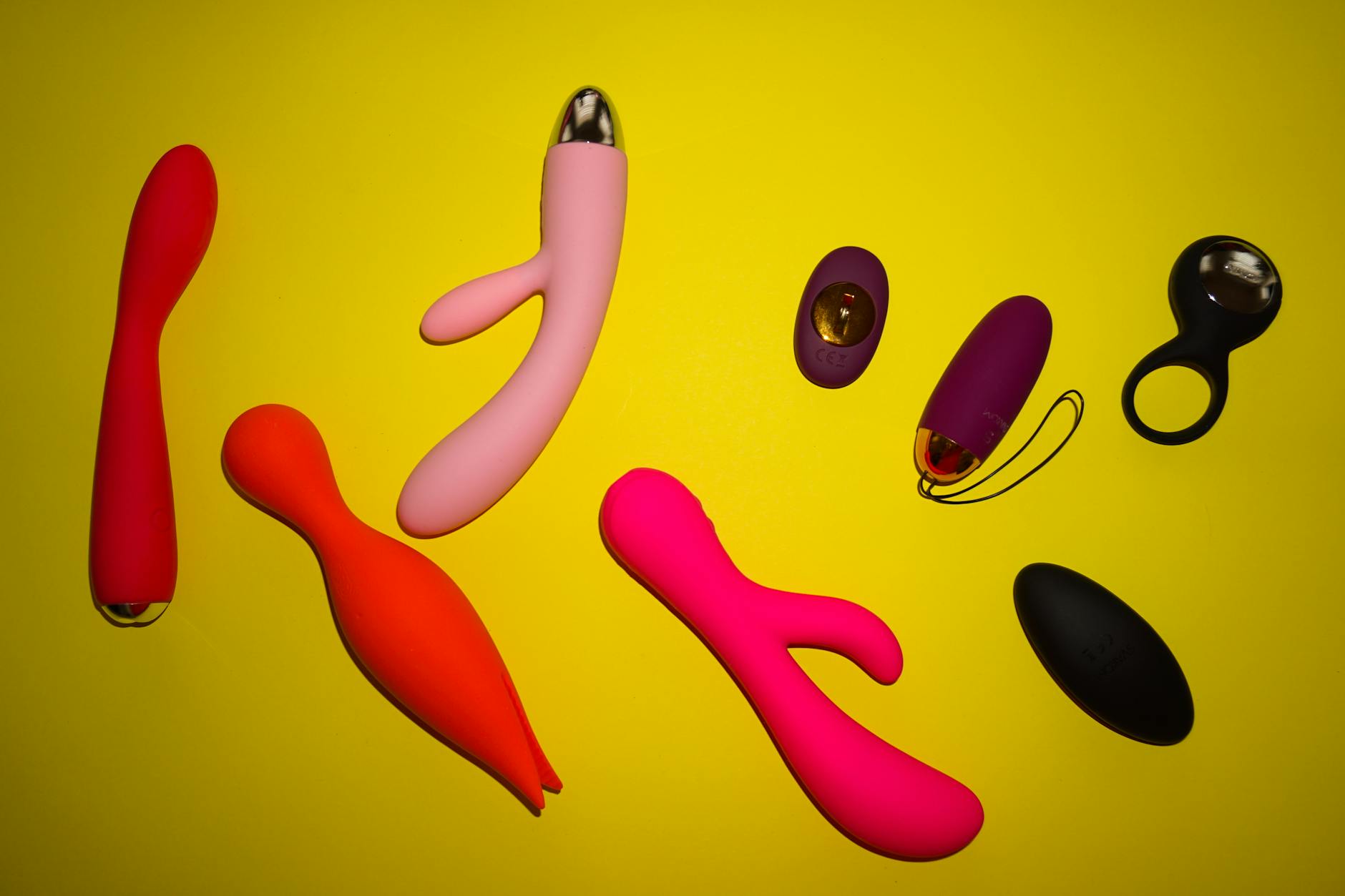
Photo by FounderTips on Pexels
The gap isn't a flaw. It's just a gap. And it's closeable.
What a lemon vibrator actually does for arousal mismatch
A lemon clitoral vibrator speeds up arousal in one specific way. It doesn't fake intimacy or bypass the emotional work. It just shortens the physical warm-up time so both partners can be present at the same moment.
Here's the mechanism. Suction stimulation from a tool like the Lem works faster than partner touch for many bodies because it delivers consistent, intense pressure without requiring mental coordination. Your nervous system doesn't have to monitor whether something feels good. It just responds. This isn't laziness. It's neurology.
For the person with lower arousal, this means you can get to genuine readiness without waiting 45 minutes or faking it. For the faster partner, it means you're not stuck in limbo, waiting and wondering if this is actually going to happen.
You both get there. You're just using different on-ramps.
The setup conversation (do this before clothes come off)
This is where most couples fail. They introduce a toy without ever naming what problem it's solving. Then the lower-arousal partner feels like they're being rushed or that their partner is annoyed. The higher-arousal partner feels like the toy is being weaponized against them.
Here's how to frame it instead.
"I want us to have time together that works for both of us. I've noticed I usually need more warm-up time, and I don't want you to feel stuck waiting. Can we try something that might help me get there faster without it being weird?"
Or from the other direction: "I don't want to pressure you or make you feel rushed. I'm wondering if there's a way we could both be ready at the same time."
Notice what's happening here. You're naming the actual problem, not blaming anyone. You're proposing a solution that serves both people. This conversation builds trust instead of triggering defensiveness.
Then show them the tool. A lemon vibrator is small, beautiful, and unintimidating. It's not a replacement for your partner. It's not a judgment on their touch. It's just a tool that might help. That framing matters.
The physical choreography that actually works
There are roughly three ways to use a lemon vibrator with a partner when arousal timing is the issue.
Option 1: Start separately, finish together. The lower-arousal partner uses the lemon vibrator for 8 to 15 minutes while their partner builds anticipation through touch, kissing, or dirty talk. Once arousal is genuinely present, switch to partnered play. Nobody feels left out because you both contributed to getting there.
Option 2: Parallel stimulation. Both partners are aroused. You use the lemon vibrator while your partner is inside you or penetrating in some way. The suction works independently of the penetration, which often intensifies both sensations and keeps orgasm from feeling like something that has to be synchronized perfectly.
Option 3: The warm-up ritual. Make it non-negotiable and enjoyable. The slower-to-arouse partner uses the lemon vibrator for 10 minutes while the faster partner does something they find sexy. Reading erotica. Watching their partner. Touching themselves. This isn't foreplay for them. It's foreplay for themselves. But it happens in your bed, together, which is intimate even when you're not touching.
The rhythm matters more than the technique. You're solving for two nervous systems arriving at arousal at different speeds. That's it.
What changes psychologically when you do this right
Honestly, the tool is half the work. The other half is permission.
When the lower-arousal partner uses a vibrator without shame, they stop performing readiness and start actually feeling it. When the higher-arousal partner stops resenting the gap and starts treating it as a problem to solve together, resentment lifts. Sex stops being a pass-fail test and becomes a practice you're both invested in.
Many couples report that introducing a lemon clitoral vibrator into this conversation actually increases closeness during non-sexual time. Why? Because you stopped treating arousal as something that should happen magically and started treating it like something you both actively want. That's a profound shift.
When to adjust your approach
If the lower-arousal partner feels rushed or the vibrator becomes another source of pressure, scale back. Maybe you're using it too early in the evening. Maybe your partner needs five minutes of non-sexual touch before the vibrator even comes out. Maybe the pattern doesn't work on weeknights but does on weekends.
If the higher-arousal partner feels sidelined or like their needs don't matter, that's worth addressing separately. A vibrator doesn't solve relationship issues. It just solves arousal timing. If there's deeper tension, couples therapy might be the better investment first.
If neither of you feels aroused even with the tool, that's often a signal something else is happening. Stress, depression, medication changes, or unresolved conflict will muffle arousal regardless of what you bring into the bedroom. Address that first.
Frequently asked questions
Can a lemon vibrator fix a dead bedroom?
Not alone. A dead bedroom usually signals distance, resentment, or unmet emotional needs. A lemon vibrator can help with arousal timing, but it won't heal broken communication or unresolved hurt. If you and your partner have stopped having sex because you've stopped connecting, a tool won't rebuild that. Therapy or an honest conversation about what's changed usually comes first.
What if my partner feels threatened by the vibrator?
This is common. Your partner might worry the vibrator means you don't need them or that you prefer it to their touch. That's worth naming directly. "I want to use this because I love having sex with you. I want both of us to be genuinely ready. This helps me get there faster so we can be together." If the resistance stays high, explore what it's actually about. Often it's not the vibrator. It's fear of rejection or feeling inadequate.
Should we use it every time or just sometimes?
There's no rule. Some couples use it regularly because the warm-up becomes part of their ritual. Others use it only when they know arousal timing is going to be off. Pay attention to what feels natural and sustainable. If using it starts feeling obligatory or like a performance, dial back.
What if I'm the higher-arousal partner and I feel bad about my needs?
Don't. Having higher arousal doesn't make you greedy or demanding. You have a legitimate need for sexual connection. The issue isn't that your need is wrong. It's that your partner needs support in meeting you there. A vibrator, longer foreplay, or a different time of day can all help. Your desire matters.
Does using a vibrator mean we're failing at partnered sex?
No. Partnered sex isn't a purity test where outside tools are cheating. Tools are part of most humans' sexual lives. Using a lemon vibrator is no different than using lube or changing positions. You're customizing the experience to fit both bodies in the room.
How do we talk about this without it feeling clinical or weird?
Keep it simple and warm. "I want us both to feel good and ready at the same time. Can we try this?" That's it. Overthinking the language makes it weirder. A straightforward, kind conversation followed by genuine curiosity on both sides is what actually works.
The bigger picture
Arousal timing mismatches have ended otherwise-good relationships because couples treated them as character flaws instead of logistics. A lemon clitoral vibrator won't save a relationship that's in trouble for other reasons, but it can unlock genuine pleasure and connection for couples where the only real barrier is that your bodies warm up at different speeds.
That's not a small thing. Synchronized pleasure is possible. It just requires naming the actual problem and solving it together. That conversation, more than any tool, is what changes everything.
If you're ready to work on this together, start with the conversation, not the vibrator. Then see where it goes.