Here's what nobody tells you about pleasure and your cycle
Your clitoris isn't the same thickness every day of the month. Neither is your arousal speed, your pain sensitivity, or your ability to orgasm. This isn't you being "broken" or "inconsistent." This is your hormones doing their job, and your body responding exactly as it should.
Most conversations about cycle syncing focus on energy, mood, or workout intensity. Fine. But pleasure? The part that actually matters to how you experience your body? That gets skipped. Let's fix that.
What hormones are actually doing to your clitoral tissue
Estrogen makes tissue thicker, more elastic, more easily stimulated. Progesterone does the opposite.things slow down, thicken, and withdraw inward slightly. Testosterone, the hormone that drives desire in everyone with a cycle, spikes around ovulation. These aren't subtle shifts.
During your follicular phase (the week or so after your period), estrogen is rising. Clitoral tissue swells. Nerves become more responsive. Lubrication comes faster. If you've ever had an orgasm that felt almost effortless, that probably happened in this window.
Then ovulation hits. Testosterone peaks right before it. Desire usually spikes hardest here. For many people, this is peak pleasure week. Everything feels a little more alive.
Then comes the luteal phase. Progesterone rises. Estrogen drops. Clitoral tissue becomes thinner. Arousal takes longer. Your threshold for stimulation often shifts. And by the time you're five or six days before your period, everything feels heavier, duller, or almost numb. Some people don't feel much of anything sexually during this window. Others feel everything more intensely, but it requires different tools to get there.
This is all normal. It's not failure. It's just biology.
Why lemon vibrators adapt better to these shifts than other toys
Let's be honest: vibration is kind of a blunt instrument. It's the same buzz pattern whether your tissue is swollen or thin, whether you've got time for a long warm-up or need something that works faster.
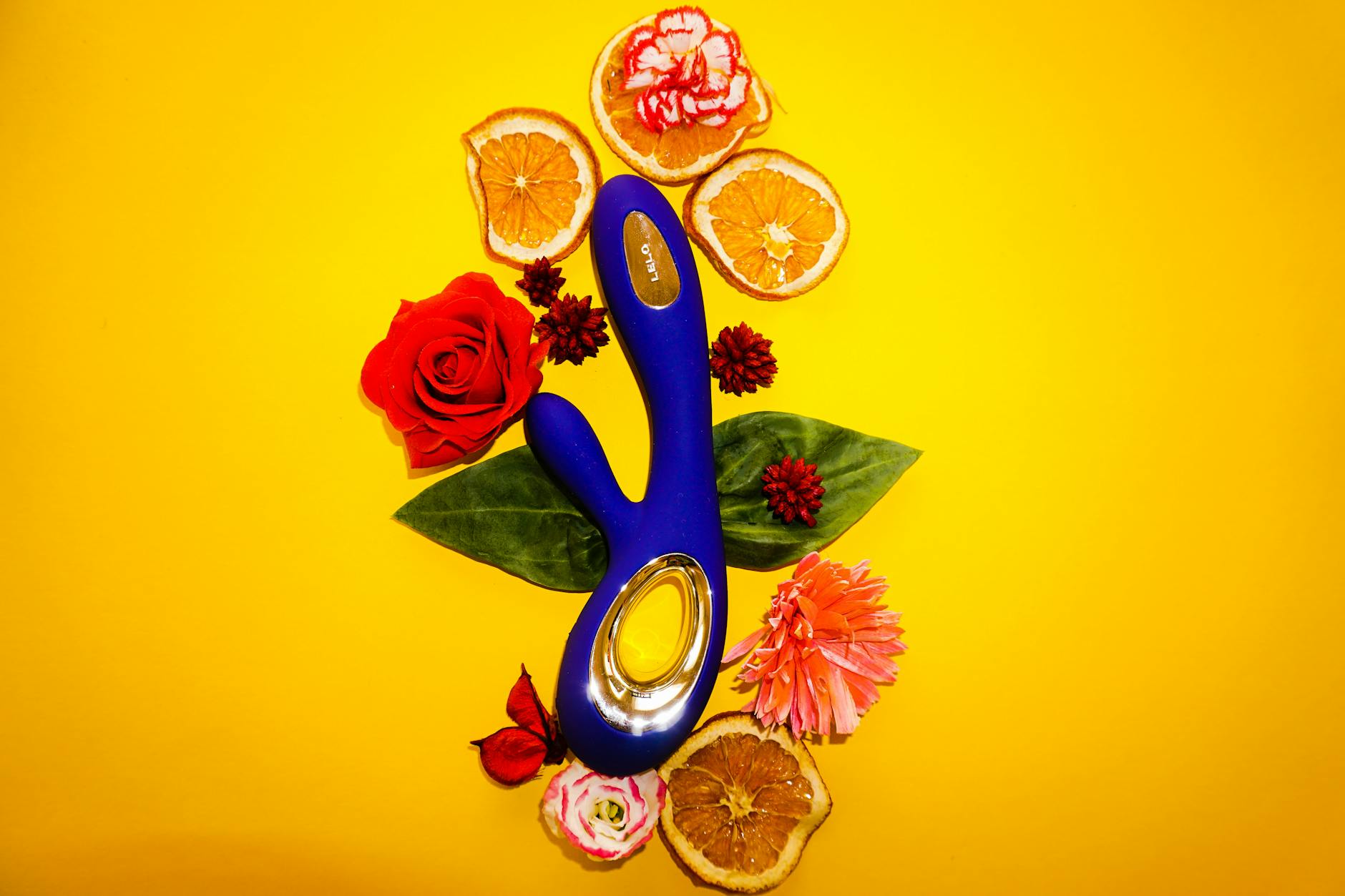
Suction, which lemon clitoral vibrators like the Lem use, works differently. Instead of pure vibration, suction creates a gentle pulling rhythm that stimulates through pressure, not friction. This matters hugely across your cycle.
During your follicular phase, when everything's swollen and ready, pure vibration works fine. You probably don't need much. A couple settings on any toy and you're done.
But during your luteal phase, when tissue is thinner and more sensitive? Friction can actually hurt. Suction gentler. It doesn't grind or buzz against already-tender tissue. It pulls, which feels completely different. For people who find themselves numb or overstimulated during the second half of their cycle, this is the difference between actually climaxing and giving up.
That's why a lot of my clients with sensitive cycles keep both tools around. But the lemon vibrators, with their flexible suction patterns, genuinely adapt better than most toys to the way your body changes.
Your week-by-week pleasure roadmap
Days 1-5: Bleeding phase. Cramps, heaviness, potential emotional intensity. Pleasure often feels like the last thing on your mind, but some people have wildly good orgasms right now because blood flow to the pelvic region is already elevated. If you want to use a lemon vibrator here, start gentle. Orgasms can sometimes make cramps worse, sometimes better. You'll figure out your own pattern.
Days 6-12: Follicular phase. Estrogen rising, energy climbing, tissue swelling. This is when most people find pleasure easiest. Lower intensity settings on the Lem work beautifully. You might discover you can do longer sessions without fatigue. Warm-up time shortens. Arousal is almost automatic. If you're looking to feel confident and easy in your body, this is the week.
Days 13-14: Ovulation. Testosterone peaks right before ovulation actually happens. Desire often feels almost feverish. The clitoral tissue is at its maximum thickness and responsiveness. Higher intensity settings feel less intense during this window because of how engorged you are. If you like really strong sensation, this is actually when gentler tools feel perfectly calibrated. Your brain is also flooded with dopamine and norepinephrine. Intimacy, if you want it, feels dramatically different.
Days 15-21: Early luteal phase. The first week after ovulation, progesterone and estrogen are both still relatively present. Many people find pleasure is still pretty accessible, though subtly different than ovulation. It might take a few more minutes to get going, but it's still easy. You might notice you prefer longer, deeper patterns rather than rapid surface stimulation.
Days 22-28: Late luteal phase. This is the one that trips people up. Progesterone is high, estrogen has dropped off a cliff. Clitoral tissue is noticeably thinner. Arousal takes work. Some people feel almost numb. Others feel rawly sensitive. The intensity sweet spot shifts. Higher pattern settings might feel like too much because you're already stimulated below the surface. Lower settings might feel invisible.
If this is your struggle window, try this: extend your warm-up time by at least ten minutes. Let blood flow build up naturally before you introduce any toy. Then start on a lower intensity and go up if you need to, rather than starting high. The tissue doesn't have as much cushion, so sometimes less is genuinely more.
When to reach for your lemon vibrator during the hard weeks
The second half of your cycle is when a lemon clitoral vibrator earns its place in your life. Here's why.
Vibration tends to feel jarring when tissue is thinner. That same 5000 BPM that felt amazing during ovulation can feel almost painful when progesterone is dominating. But suction creates a different kind of stimulation. It's steadier, less about friction, more about pressure and pulling. Many people find they can actually reach orgasm during their luteal phase with suction when straight vibration leaves them frustrated.
Also, if you're someone who experiences heightened arousal but slower orgasm during your luteal phase, the variety of intensity and pattern options on a toy like the Lem helps. You're not locked into one rhythm. You can shift around, find what works that specific day, that specific hour.
And if you're in that five-to-six-day window where everything feels numb, patience plus the right tool actually matters. Some of my clients have learned that their "numb" days just need longer buildup and lower starting intensity. They're not actually broken. They're just working with thinner, less immediately responsive tissue. The Lem's range of gentler settings is perfect for that.
One thing that changes the whole game
Honestly though, the single biggest shift most people need to make across their cycle is expectations. During your follicular phase, if you expect a five-minute orgasm, that's probably what you'll get. During your luteal phase, if you show up expecting the same, you'll feel broken.
What actually works: show up with time built in. Treat your luteal phase like you're learning your body again. Lower intensity, longer warm-up, different patterns. Not "less pleasure." Different pleasure. The orgasms during your luteal phase, when they happen, often feel completely different. Deeper, more diffuse, less about the clitoral sprint and more about sustained intensity.
If you're with a partner, this is worth saying out loud. "Next week I might want something totally different." That's not a problem. It's information. And when they understand that your pleasure genuinely does shift, they usually stop taking it personally when something that felt amazing last week doesn't work the same way now.
FAQ: Your cycle and pleasure questions answered
Q: Does everyone's pleasure actually change across their cycle?
Not everyone experiences dramatic shifts. Some people cycle through pleasure changes so subtly they barely notice. Others feel radically different every single week. Both are completely normal. Cycle tracking apps that monitor your mood, energy, and pleasure are useful because they help you spot your own pattern instead of assuming you're like everyone else.
Q: What if I don't menstruate but I still have hormonal cycles?
If you're on hormonal birth control, your cycle is different but still present. The shifts are usually softer, sometimes almost imperceptible. But many people on the pill still notice arousal and sensitivity changes related to their pack cycle. Some people find that switching pill types or using a different method gives them back more pleasure variability. If pleasure genuinely feels flat all month, that's worth talking to a doctor about. It might be the hormones you're taking.
Q: Can I use lemon vibrators during my period?
Absolutely. Internal toys might feel uncomfortable if you're using a tampon or cup, but external clitoral vibrators are totally fine. Some people avoid pleasure during their period for religious or personal reasons, and that's valid. Others find orgasms help with cramp relief. You get to decide. If you do use one, just make sure you're clean and change your period product afterward.
Q: What if my pleasure doesn't follow this pattern at all?
Then your body is telling you something different than what I've described. That's good information. Track your own pattern for three months. Where do you actually feel most aroused? When does orgasm happen easiest? When is sensation hard to find? Your cycle might be totally different from the textbook version, and that's actually more interesting because you'll learn exactly what your body needs.
Q: Should I use a different lemon vibrator intensity during different phases?
Most people benefit from starting lower during their luteal phase and working up, rather than starting where they'd go during ovulation. But every body is different. If you find that you want the highest intensity settings during your luteal phase and barely touch your Lem during your follicular phase, that's your truth. Track what actually works for you, then trust that pattern.
Q: Does stress mess up these pleasure shifts?
Completely. Stress suppresses estrogen and can make your cycle feel unpredictable. That means your pleasure map might look totally different during a stressful month than a calm one. This is why knowing your own pattern matters more than memorizing the textbook version. Your cycle is personal to you.
The practical takeaway
Your body isn't broken. Your pleasure isn't supposed to stay the same all month. Learning to work with your cycle instead of against it, and having tools like lemon clitoral vibrators that actually adapt to the way you change, is how you go from feeling frustrated to feeling genuinely in charge.
Start tracking. Notice when arousal comes easily and when it's harder. Pay attention to what intensity feels right on different days. Then show up with curiosity instead of judgment. This is the month you learn how your body actually works, not how you think it should.
If you're feeling stuck or if pleasure has genuinely gone flat across your whole cycle, that's a conversation for a doctor or therapist. But if you're just noticing shifts? That's not a problem. That's just the best proof that you're paying attention.
When you're ready to explore what works for your cycle, the Lem is designed to give you options across all your phases. Start with what feels right this week, and let yourself adapt from there.