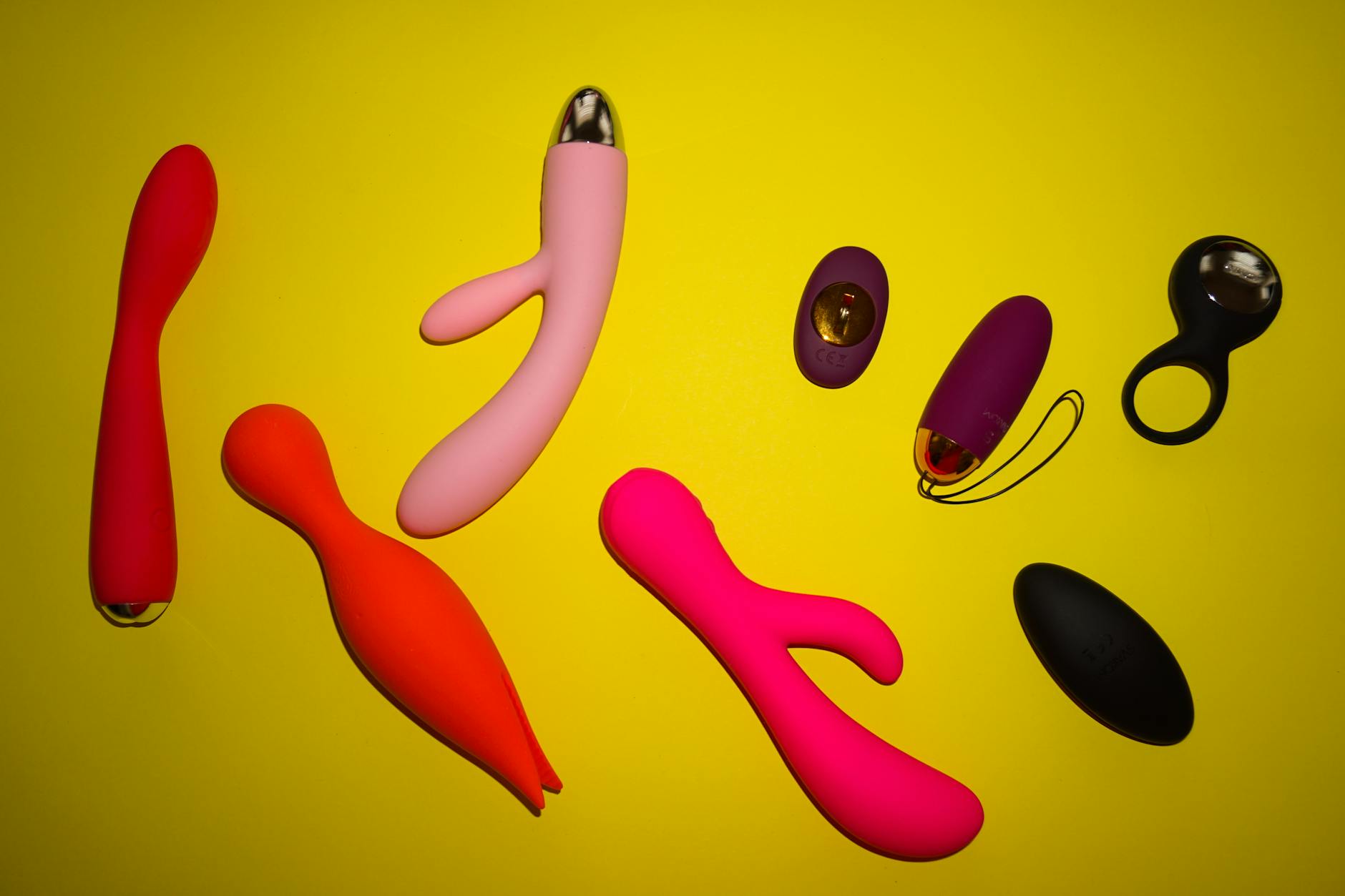
Why Lemon Vibrators Work Better for Sensitive Clitorises
If direct vibration has always felt too intense, too buzzy, or just plain uncomfortable, you're not broken. Your body is telling you something useful: you might need a different kind of stimulation altogether.
That's where suction-based lemon vibrators come in. They work on a completely different mechanical principle than traditional vibrators, which means they feel fundamentally different on sensitive tissue. Let me walk you through the science, the practical differences, and why this matters for your pleasure.
The difference between vibration and suction
Most vibrators shake back and forth at a fixed frequency. Think of it as rapid, repetitive contact against the same nerve endings. The sensation builds fast, which is great if you want quick results, but can feel abrasive if your clitoris is tender or you're someone who prefers slower arousal.
Lemon vibrators like the Lem work by creating gentle suction and pulsing sensations instead. The suction cups over your clitoris and draws blood into the tissue while pulsing at varying rhythms. It's less like tapping and more like a consistent, gentle pull.
The clitoris has about 8,000 nerve endings concentrated in the glans. That density means it's exquisitely sensitive. For some people, that sensitivity is a superpower. For others, it means direct, sustained vibration can feel sharp or numb-inducing rather than pleasurable.
Why sensitive clitorises struggle with traditional vibrators
Three mechanical reasons this happens:
1. Direct pressure accumulates fast. Vibration-based toys apply contact force directly to tissue in a repetitive pattern. If you're sensitive, this can feel numbing after just a few minutes. The tissue sends a "that's enough" signal your brain interprets as discomfort.
2. High frequencies overstimulate. Many mainstream vibrators buzz at 50-150 Hz. For sensitive people, this can feel like white noise on the nervous system. Your nerve endings fire so rapidly that they actually stop signaling clearly.
3. Focused intensity creates friction burn. If a vibrator's head is small and the vibration is concentrated, you might experience something that feels like friction burn even though nothing is literally rubbing. It's the rapid micro-movements creating micro-trauma on delicate tissue.
How suction actually feels different
Suction-based lemon clitoral vibrators distribute stimulation across a wider area while creating a pulling sensation instead of tapping. Here's what changes:
The wider cup base means the force spreads across more nerve endings, so no single spot gets overwhelmed. The pulsing rhythm is gentler and more variable. And crucially, the suction creates blood engorgement, which can actually increase sensitivity over time rather than desensitizing it.
Many people with sensitive clitorises report that lemon vibrators feel more accessible because the sensation is less sharp and more enveloping. It's the difference between someone poking your arm repeatedly versus someone holding you steady.
When sensitivity is a sign of something else
Sometimes clitoral tenderness isn't about device choice. It can signal:
Hormonal shifts. Estrogen and testosterone affect tissue thickness and blood flow. Around your period, during hormonal transitions, or with certain medications, sensitivity spikes. Lemon vibrators handle this better because the wider contact area avoids the "focused pressure" problem.
Pelvic floor tension. A tight pelvic floor can make your clitoris feel tender even when it isn't actually damaged. Relaxation work (the opposite of Kegels) often helps. In the meantime, a gentler suction-based tool feels much better than vibration.
Irritation or inflammation. If your clitoris feels raw, allergies to lube or toy material could be the culprit. Always check that you're using water-based lube compatible with your device, and that your toy material is body-safe silicone or glass.
What to expect when you switch to suction-based stimulation
If you've only used traditional vibrators before, the first time with a lemon vibrator might feel strange. That's normal. Your nervous system is learning a new sensation.
Start at the lowest setting. Give yourself at least 5-10 minutes to acclimate. Many people find that what felt uncomfortable in the first minute becomes deeply pleasurable by minute three. That's your clitoris adjusting to a different kind of input.
You might also notice that orgasms feel different. Some people describe them as deeper or more full-bodied because the suction engages more tissue and blood flow. Others say it takes a little longer to build but feels more sustained. Neither is better. Just different.
Pairing lemon vibrators with other tools
Suction works beautifully on its own, but if you're partnered, it also opens new possibilities. Unlike traditional vibrators that can feel awkward or buzzy during partnered sex, a lemon vibrator's broader base and variable pulsing can be integrated more naturally.
You might also find that alternating between suction and other forms of stimulation (like gentle finger work or a partner's touch) creates richer sensations than vibration alone. The key is variety. Sensitive clitorises often respond best when you're not asking them to do the same thing for 20 minutes straight.
Building your sensitivity instead of numbing it
Here's something counterintuitive: the right tool can actually make you more sensitive over time, not less.
When you use a device that doesn't overstimulate your nerve endings, your body learns to trust the sensation. Blood flow increases naturally. Your nervous system stays engaged rather than protecting itself by going numb. Over weeks, you might notice that you feel more, respond faster, and enjoy a wider range of sensations.
This is one reason people often switch from traditional vibrators to lemon vibrators and then report that their entire pleasure response shifts. It's not that the vibrators broke anything. It's that gentler, smarter stimulation allows your body to wake up.
The role of lube with gentler tools
While you don't strictly need lube with a suction-based tool like a lemon vibrator, many people find that a small amount of water-based lubricant makes the sensation feel smoother and more skin-like.
If your clitoris is sensitive due to dryness (whether from hormonal changes, medications, or just your body's baseline), lube becomes more important. It reduces friction between the device and tissue, and it helps the suction work more effectively because there's better seal contact.
Skip silicone-based lubes if you're using a silicone toy. Water-based is your safest bet.
How to know if sensitivity is your real issue
Ask yourself:
Do traditional vibrators feel uncomfortable almost immediately? Do you find yourself turning them off because the sensation becomes too much rather than too little? Does your clitoris feel tender or sore afterward?
If yes to most of these, sensitivity is likely your limiting factor. A tool designed for sensitive bodies (like a lemon vibrator or another suction-based clitoral vibrator) might completely change your experience.
If you're not sure, or if sensitivity is intermittent, trying a range of intensities and designs matters. That's where brands like Hello Nancy come in, offering tools built for different bodies and preferences.
FAQ: Common questions about lemon vibrators and sensitivity
Why do lemon vibrators feel less intense than regular vibrators?
Suction spreads pressure across a wider area and works through pulsing rather than rapid tapping. This creates a gentler, more enveloping sensation that's less likely to overwhelm sensitive nerve endings. It's biomechanically different, not just lower power.
Can I use a lemon vibrator if I have vulvodynia or vaginismus?
Possibly, but check with your provider first. Vulvodynia involves chronic pain, and some people find gentle suction helpful while others find any device uncomfortable. Vaginismus is a different condition involving pelvic floor tension. A lemon vibrator won't solve either, but it might be part of a broader approach. Work with a pelvic floor physical therapist to know what's safe for your body.
How long does it take to adjust to a lemon vibrator?
Most people adjust within a few uses, but it can take 2-4 weeks to fully appreciate how different the sensation is. Your nerve endings are used to traditional vibration patterns. Give yourself time to learn this new input before deciding it's not for you.
Will a lemon vibrator help if I'm numb from other vibrators?
Possibly. If you've spent months or years using high-frequency vibrators, your clitoris may have become temporarily desensitized. Switching to a gentler, completely different tool for 1-2 weeks sometimes allows sensation to return. But if numbness persists, talk to a healthcare provider. Chronic desensitization can signal deeper nerve or hormonal issues.
Can my partner use a lemon vibrator on me, or is it only for solo play?
Absolutely. Lemon vibrators are often easier to integrate into partnered play than traditional vibrators. The wider base feels less intimidating, and the variable pulsing patterns can be controlled and varied more naturally. Check out our guide on how to use a lemon vibrator with your partner for specifics.
What's the difference between a lemon vibrator and other suction toys?
All suction-based clitoral vibrators work on the same principle, but they differ in cup size, pulsing patterns, intensity range, and material. Lemon vibrators (also called the Lem or lemon sucker toys) are designed specifically to be beginner-friendly and effective for sensitive bodies, with multiple pulse patterns and a graduated intensity scale.
The bottom line
Sensitivity isn't a flaw. It's information. Your body is telling you what it actually wants, and that intelligence deserves respect.
If traditional vibrators don't work for you, it's not because you're broken or difficult. It's because those tools weren't designed with your nervous system in mind. Suction-based lemon vibrators exist because plenty of people needed something different. That something different can unlock pleasure you didn't know was possible.
Your clitoris is built for sensation. The right tool just helps you access it.