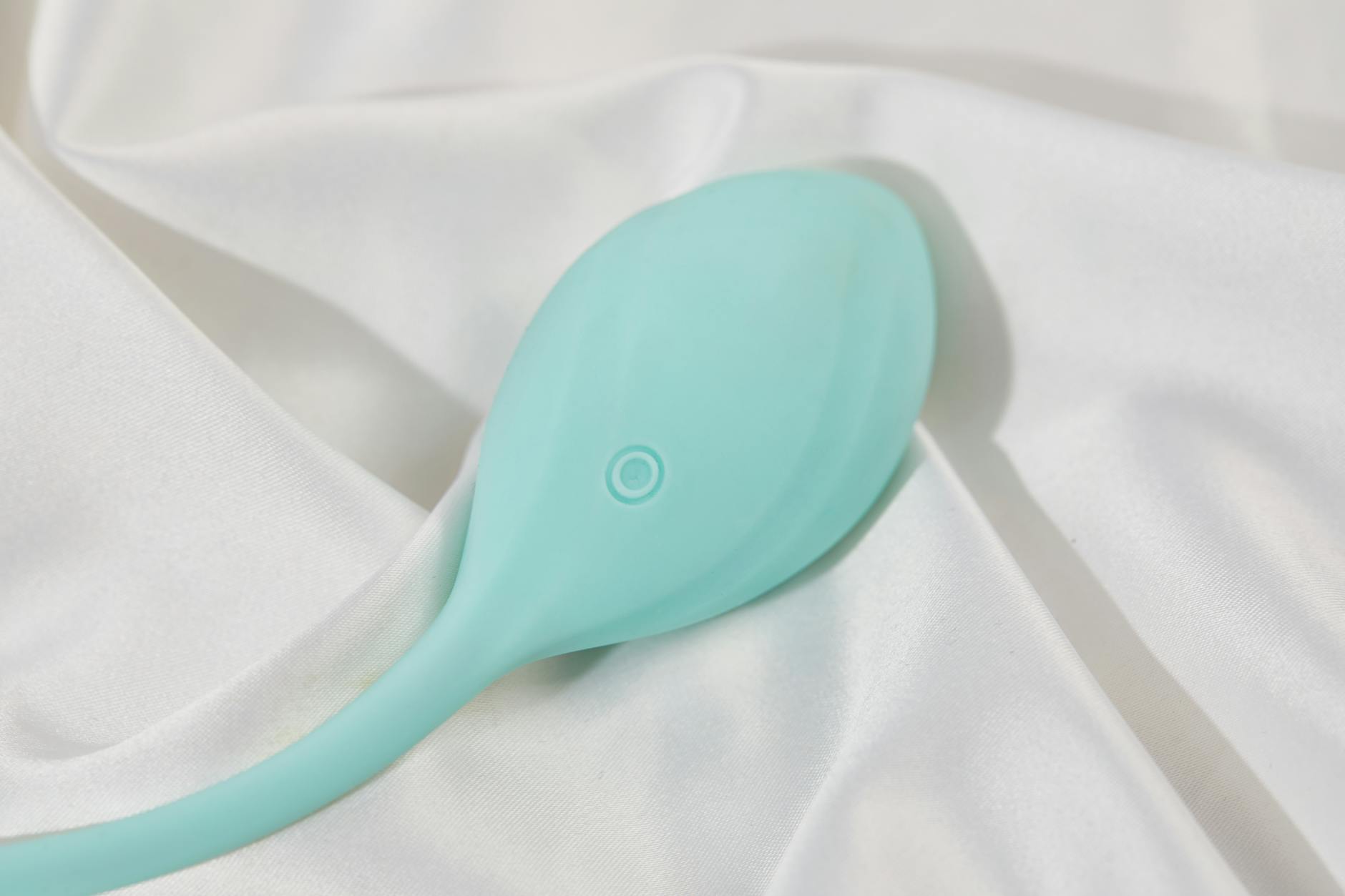
Let's talk about what actually happens
Hormones shift. Sensation changes. And suddenly that lemon clitoral vibrator that used to feel incredible feels like... not much of anything. The panic is real. But here's the thing: your body isn't broken, and you're not losing your mind. This is a documented, reversible response.
I've worked with dozens of clients who've experienced this exact moment. The script is always the same: "I used to feel everything, and now I feel nothing. What's wrong with me?" The answer, almost always, is that something changed upstream. And once you know what, you can work with it.
What hormones actually control
Estrogen and testosterone don't just show up during certain seasons of your life. They're active participants in sensation, arousal speed, and how your nervous system responds to touch. When these shift, even slightly, the experience can feel completely different.
Here's what changes:
Tissue sensitivity. Estrogen keeps genital tissue plump and responsive. When estrogen dips (birth control changes, perimenopause, certain medications, stress), tissue thins slightly. This doesn't mean sensation disappears, but the same vibrator at the same setting can feel muted.
Arousal timing. Testosterone fuels desire. It's not gendered. Everyone with a vulva produces it. When it drops due to hormonal birth control, some medications, or life stage transitions, arousal takes longer to build. A lemon vibrator that used to feel great on setting 3 might need setting 5 now. Or it might need fifteen extra minutes of warm-up first.
Blood flow patterns. Hormones regulate vasocongestion. During high-estrogen phases, more blood flows to genital tissue. When that drops, sensation feels softer. It's the same lemon clitoral vibrator doing the same thing, but your body is receiving it differently.
Pelvic floor tension. Stress and hormonal shifts create tension you don't consciously notice. Your pelvic floor tightens, which can dull sensation and make orgasm feel harder to reach. This is especially common during birth control transitions or high-stress periods.
None of this means your pleasure is gone. It means you need a different approach.
The birth control factor (it's huge)
I'm going to be direct: hormonal birth control is wildly underestimated as a factor in sexual sensation changes. Not because it's bad. But because nobody talks about it.
Combination pills suppress your natural testosterone production. Some people feel this immediately. Some take months to notice. Others don't notice anything at all. Same with the patch, the ring, or the shot. Hormonal IUDs release hormones directly into your system, creating different effects than pills. Copper IUDs create zero hormonal change but can shift pelvic floor tension.
The plot twist: if you've been on the same birth control for years and suddenly sensation dropped, it wasn't the birth control that changed. Something else did. But if you switched pills, switched to an IUD, or started new medication, this is almost always the culprit.
Here's what I tell clients: keep a simple log for two weeks. Track your lemon vibrator settings, how quickly you feel aroused, and whether sensation feels different on certain days. You might notice a pattern tied to your cycle or stress levels. That pattern is data. And data helps you troubleshoot.
Medical and life factors that matter
Birth control isn't alone. Other changes that shift hormone balance:
Medications. SSRIs, blood pressure meds, antihistamines, and even some antibiotics can dampen sensation or arousal. If you started something new and sensation dropped within weeks, mention it to your doctor. There's often an alternative.
Stress. Chronic stress kills arousal. Your cortisol rises, your testosterone dips, and your nervous system stays in fight-or-flight mode. Your lemon clitoral vibrator isn't the problem. Your system is protecting itself. This one requires patience.
Life transitions. Moving, job changes, relationship shifts, grief, caring for aging parents. These don't just affect mood. They reprogram your nervous system. Sensation often returns once the acute stress does.
Alcohol and caffeine. Too much of either can dull sensation and slow arousal. If you're a daily coffee person or a nightly wine person, try a two-week pause and see if sensitivity improves.
Sleep and movement. Fatigue and immobility both suppress arousal and sensation. Before you assume something is hormonally wrong, track your sleep and exercise for a week. You might find that's the easier fix.
How to actually recover sensitivity with your lemon vibrator
Four moves that work:
Reset your settings. If you usually use your lemon vibrator on pattern 3, stop. Start at pattern 1. Use it for just two minutes. Notice what you feel without chasing an orgasm. This sounds backwards, but it works. Your nervous system recalibrates when you're not pushing. After a week of this, bump to pattern 2. Then 3. You're rebuilding sensitivity, not forcing it.
Extend warm-up time. If arousal used to happen in five minutes and now it takes thirty, that's not failure. That's information. Budget the time. Use your lemon clitoral vibrator after you've spent fifteen minutes on something that turns you on (reading, a partner, a fantasy, whatever). Build the arousal first. The vibrator amplifies what's already there. It doesn't create it from nothing.
Bring your attention back. Distraction kills sensation. When using a clitoral vibrator during hormonal sensitivity fluctuations, your job is to notice. Not to achieve. Not to perform. Notice temperature, texture, rhythm changes, where the vibration lands. This sounds like meditation because it is. And it works.
Temperature and lubrication matter more now. When tissue is less plump, friction becomes noticeable. A good water-based lube isn't optional anymore. It's essential. And warming up the lube (hold the bottle in warm water for thirty seconds) makes sensation feel richer. This isn't a workaround. It's how you're supporting your body.
The partner conversation (if there is one)
If you're in a relationship, the hardest part isn't the sensitivity change. It's explaining it without it becoming about your partner. "I feel nothing when we have sex" sounds like "I don't want you." It's not. But it sounds like it.
Here's what I tell couples: separate the conversation. Sensitivity change is a body thing. Partnership reconnection is a different thing. Talk about one, then the other.
Body conversation: "My arousal is slower now and sensation feels different. Here's what helps me." Then show your partner what you discovered. Use your lemon vibrator together. Have them feel the settings. Explain the warm-up timing.
Partnership conversation: "I want us to stay close during this transition. Here's how." This might mean more foreplay. More talking. Different timing. Different positions. You're rebuilding together, not fixing something broken.
When to see someone
If sensitivity has been gone for six months and nothing shifts it, talk to a doctor. Specifically, a gynecologist or a sex-positive therapist who understands hormones. There might be something else going on. Thyroid issues, vitamin deficiencies, undiagnosed depression, or medication side effects that need adjusting.
But most of the time, sensitivity returns once you understand what changed and give your body permission to respond on its own timeline. Not faster. Not on demand. On its timeline.
The truth about recovery
Your lemon clitoral vibrator didn't stop working. Your body went through a shift. And shifts take time to navigate. You're not broken. You're not less sexual. You're in a temporary state of recalibration. And once you understand what's happening, recovery is often just a matter of patience and the right approach.
Read more on how to rebuild desire: How to Use a Lemon Vibrator With Low Libido.
For partners navigating different sensitivities together, see How to Use a Lemon Clitoral Vibrator When Partners Have Different Sensitivity Levels.
And if you're in a relationship transition, How to Use a Lemon Vibrator for Couples Exploring Solo Pleasure Together covers reconnection.
People also ask
How long does it take for sensitivity to come back after hormonal changes?
It depends. If the change was medication-related and you switch medications, you might feel different within weeks. If it's birth control, your body often recalibrates within two to three cycles once you adjust your approach. If it's stress or life transition related, it can take two to four months. The key is consistency with whatever you're doing (the reset protocol, the warm-up timing, the lube). Sensitivity doesn't return on a schedule. It returns when your nervous system feels safe enough to respond again.
Can my lemon vibrator help me feel sensation again, or will it make desensitization worse?
Your lemon clitoral vibrator is actually one of your best tools. The key is using it differently. Instead of chasing sensation, use it to notice what's there. Start low, go slow, and focus on quality over orgasm achievement. Most people who restart with this approach feel noticeable improvement within a week. The vibrator isn't the problem. The pressure to feel a certain way is the problem.
Does every hormonal birth control affect sensation the same way?
No. Some people feel zero difference between pill brands. Some feel a huge shift. Copper IUDs create no hormonal change but can tighten the pelvic floor. Hormonal IUDs create localized hormone release. The copper option doesn't suppress testosterone at all, which some people find makes a difference in arousal. If you suspect birth control is your culprit, talk to your gynecologist about trying a different option for two months and tracking sensation changes.
What if my sensitivity doesn't come back?
Then something else is at play. This is when you see a doctor. Low testosterone can be treated. Thyroid issues can be addressed. Depression and anxiety both kill sensation. Pelvic floor dysfunction can be treated by a specialized physical therapist. Medication side effects can sometimes be managed with dose changes or alternatives. You're not stuck. You just need to find out what's actually going on.
Is it normal to need a stronger lemon vibrator after hormonal changes, or should I stick with the same one?
Stick with the same one but use the reset protocol first. Most people think they need a stronger toy when actually they need a different approach. If after two months of the reset protocol you still feel nothing even on the strongest setting, then you might experiment with something with a different sensation (like an air-suction design if you've been using a traditional vibrator). But jumping to a stronger vibrator immediately usually backfires because it skips the nervous system recalibration step.
Can I use my lemon vibrator during hormonal transitions, or should I take a break?
Use it, but intentionally. Taking a complete break often makes sensitivity recovery slower because your nervous system loses the practice of responding. Instead, use it with the reset protocol. Two minutes, setting 1, focus on sensation rather than outcome. You're keeping your system engaged while it recalibrates. This usually works faster than waiting it out.